
IZMIR TRAVEL GUIDE
Izmir is one of those cities that looks easy at first. The bay is open, the ferries are calm, people sit along Kordon with tea or beer, and the city does not push itself at you the way Istanbul does. But if you walk behind Konak Square into Kemeralti, or stand above the city at Kadifekale, you realise quickly that Izmir is not just a relaxed Aegean city. It is ancient Smyrna, Roman Smyrna, an Ottoman port, a Republican city, and a modern coastal metropolis all sitting on top of each other.
I am a licensed tour guide based in Turkey and I have guided visitors through Izmir for years. This guide is written from that working knowledge, not from a content brief.
I do not read Izmir as a checklist of attractions. The city makes sense only when you connect the hill, the agora, the bazaar, the old port, the ferry routes, and the daily local life. Most tourists see the Clock Tower, take a photo on Kordon, maybe use Izmir as a base for Ephesus, and then leave. That is a missed opportunity.
This Izmir travel guide is written the way I would explain the city before we start walking. What to see, when to go, how to move around, where to stay, what things usually cost, how to choose a tour guide, and which activities are actually worth your time.
Table of Contents
Izmir Activities
What to See and Do in Izmir?
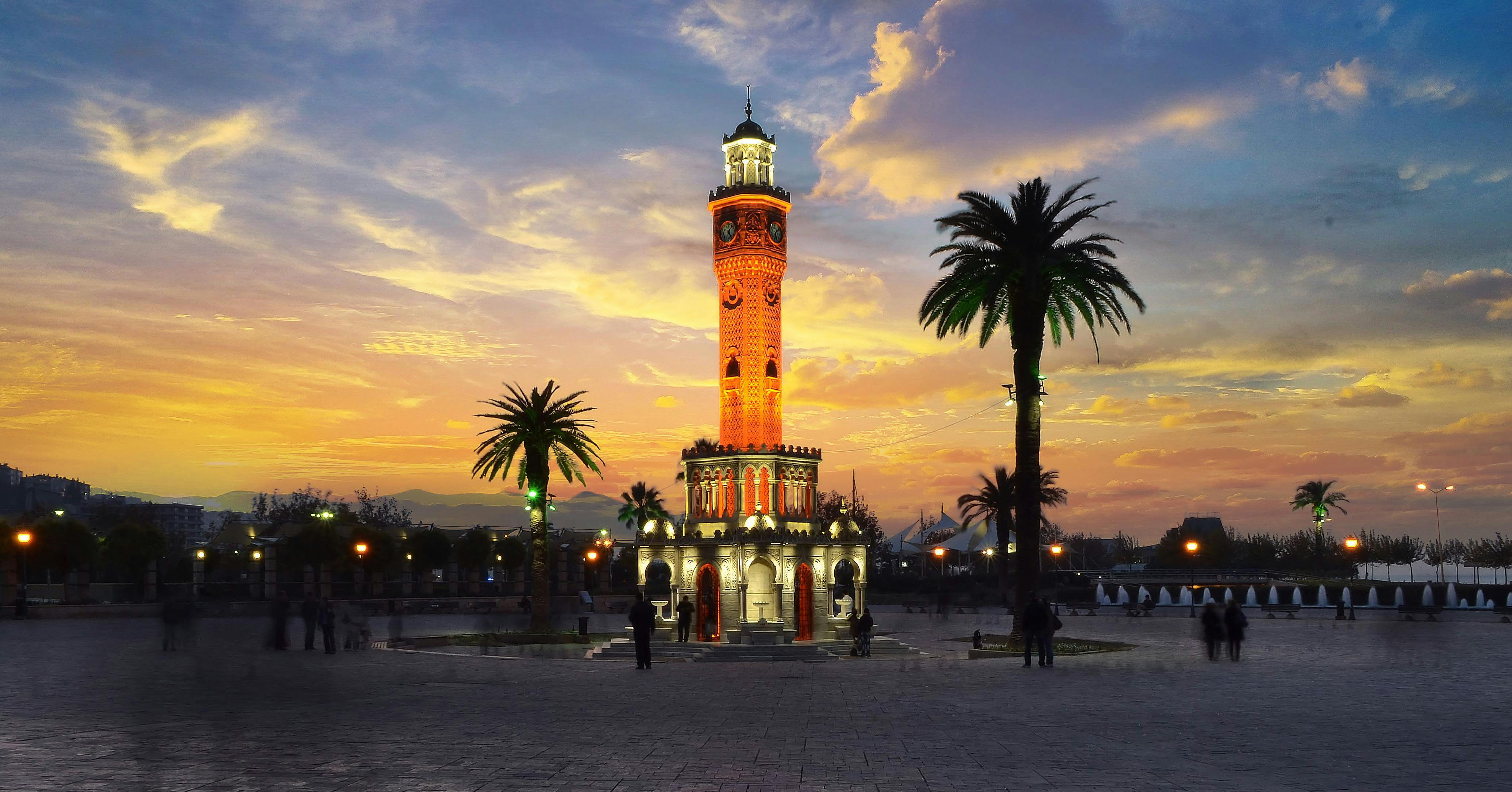
IZMIR CITY CENRE WHAT TO SEE
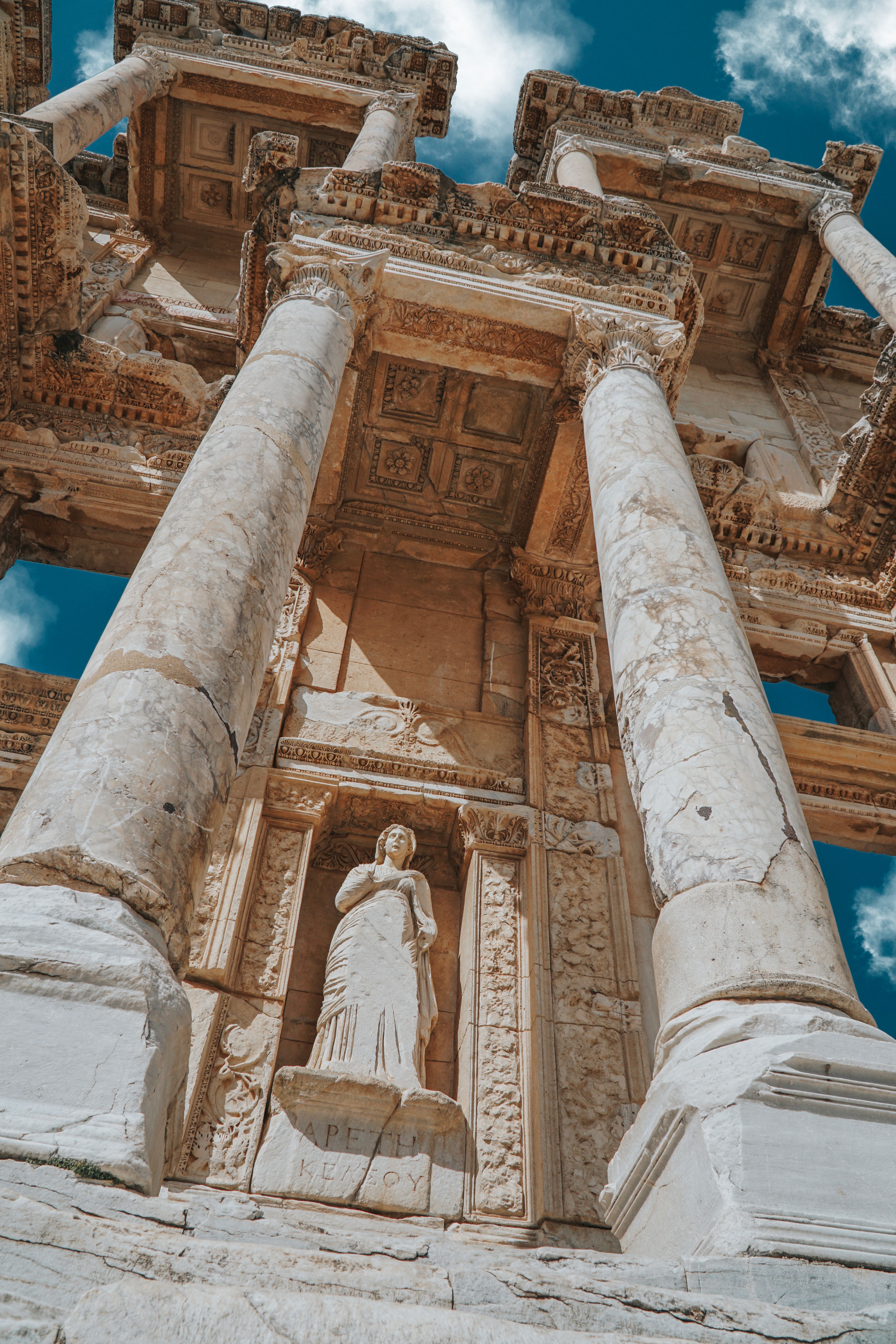
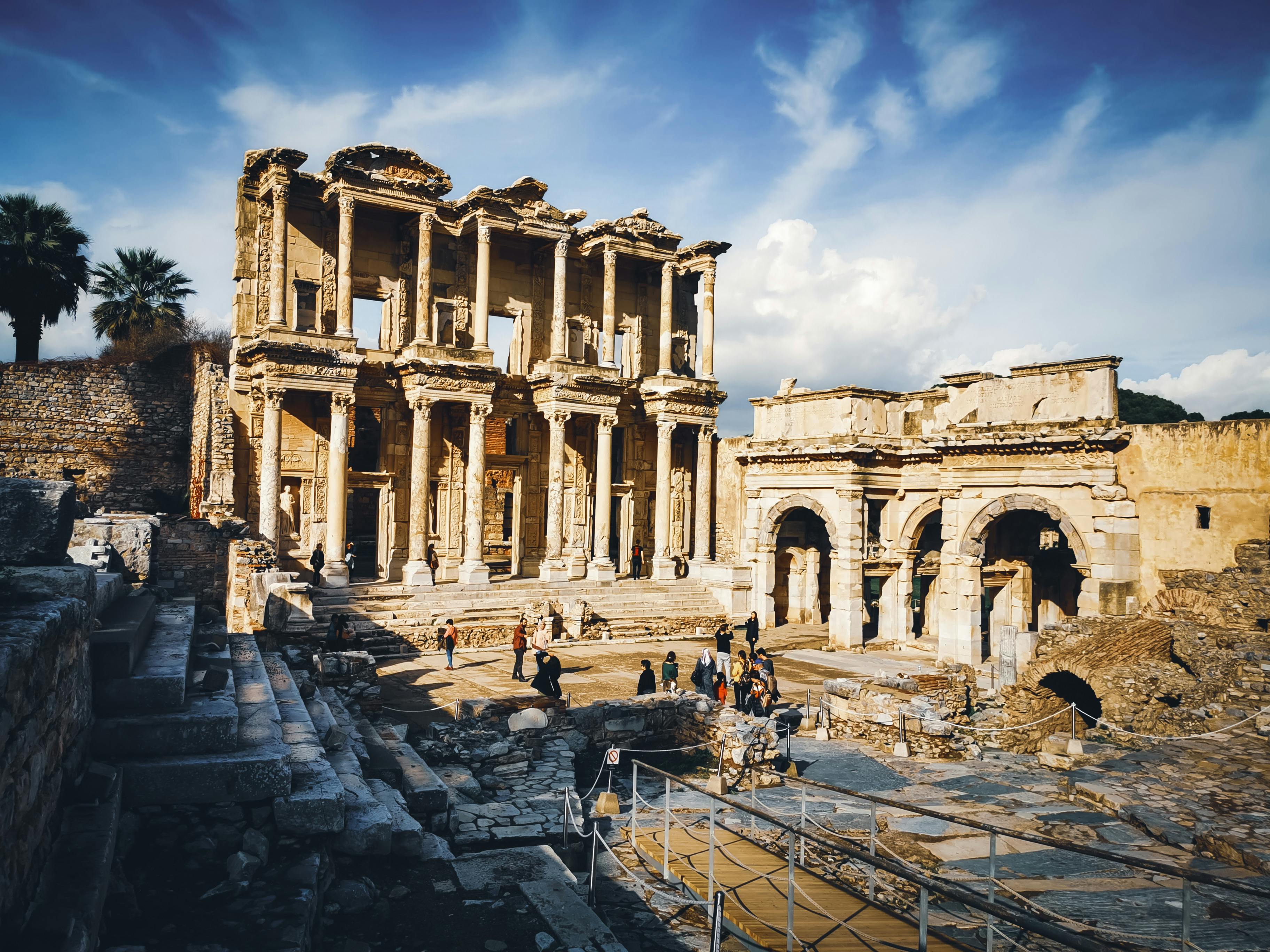
EPHESUS ANCIENT ROMAN CITY RUINS
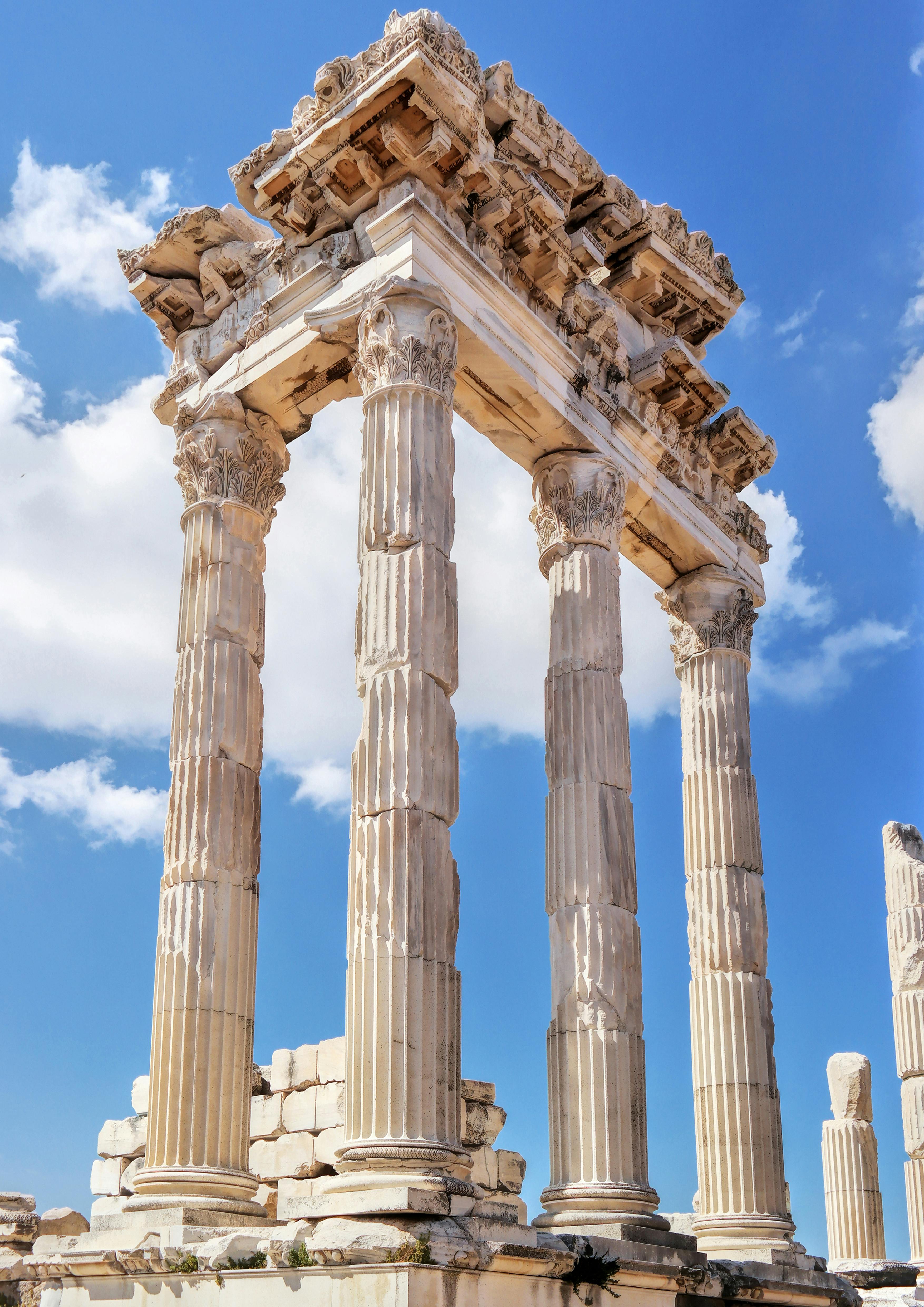
PERGAMUM ANCIENT CITY RUINS
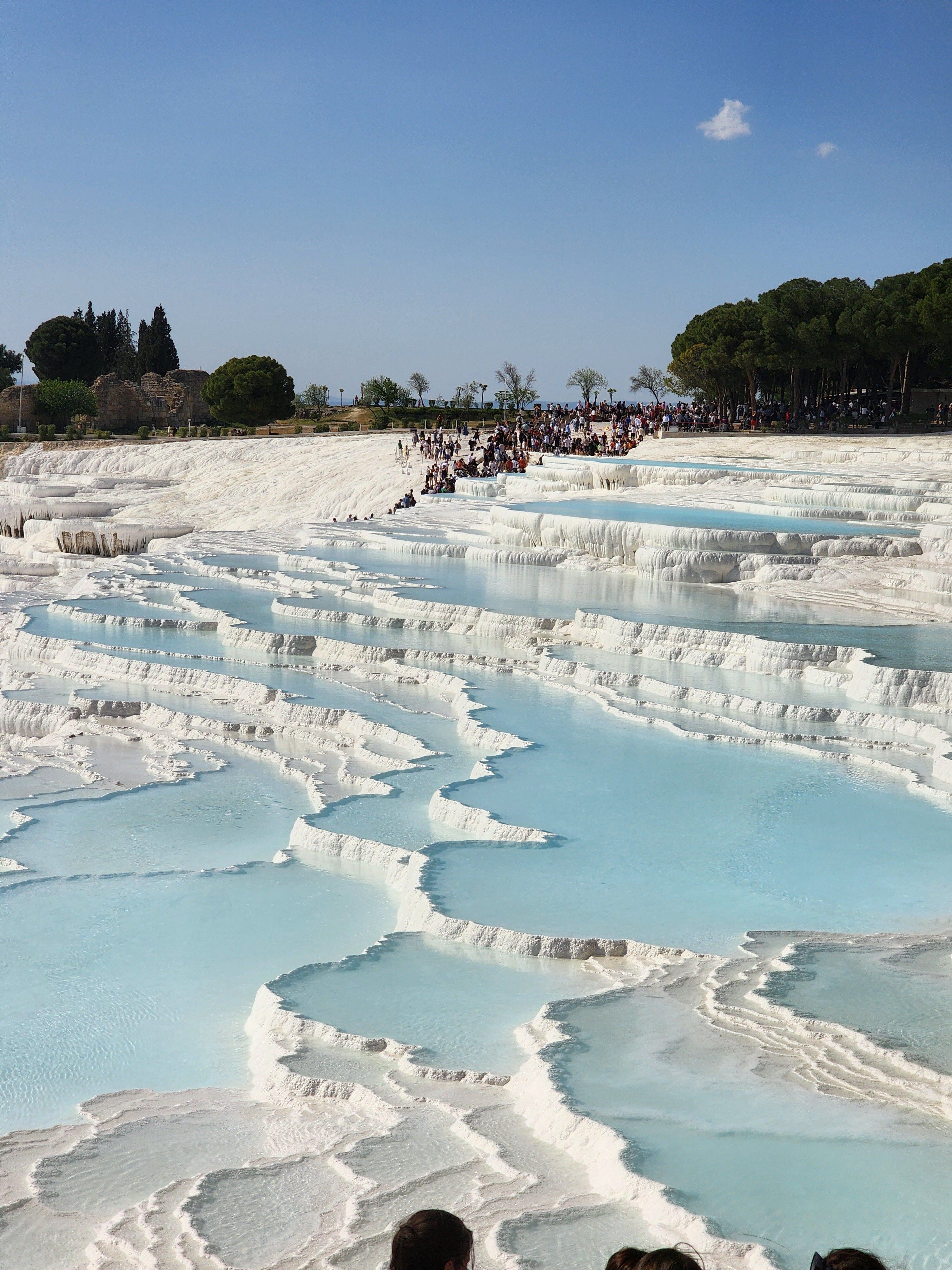
PAMUKKALE & HIERAPOLIS FROM IZMIR
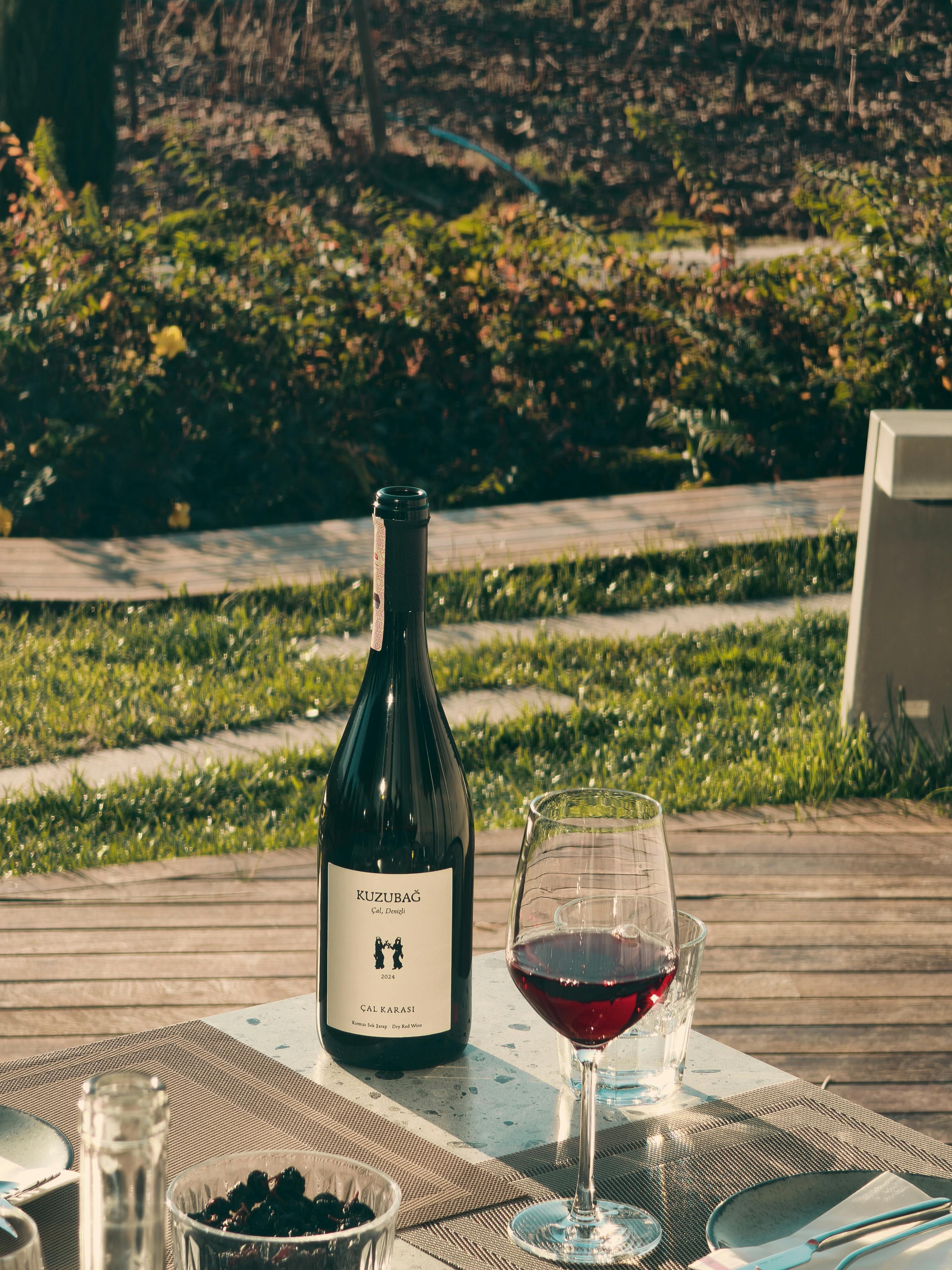
LOCAL WINE TASTING, VINEYARDS

IZMIR BEACHES CESME & ALACATI
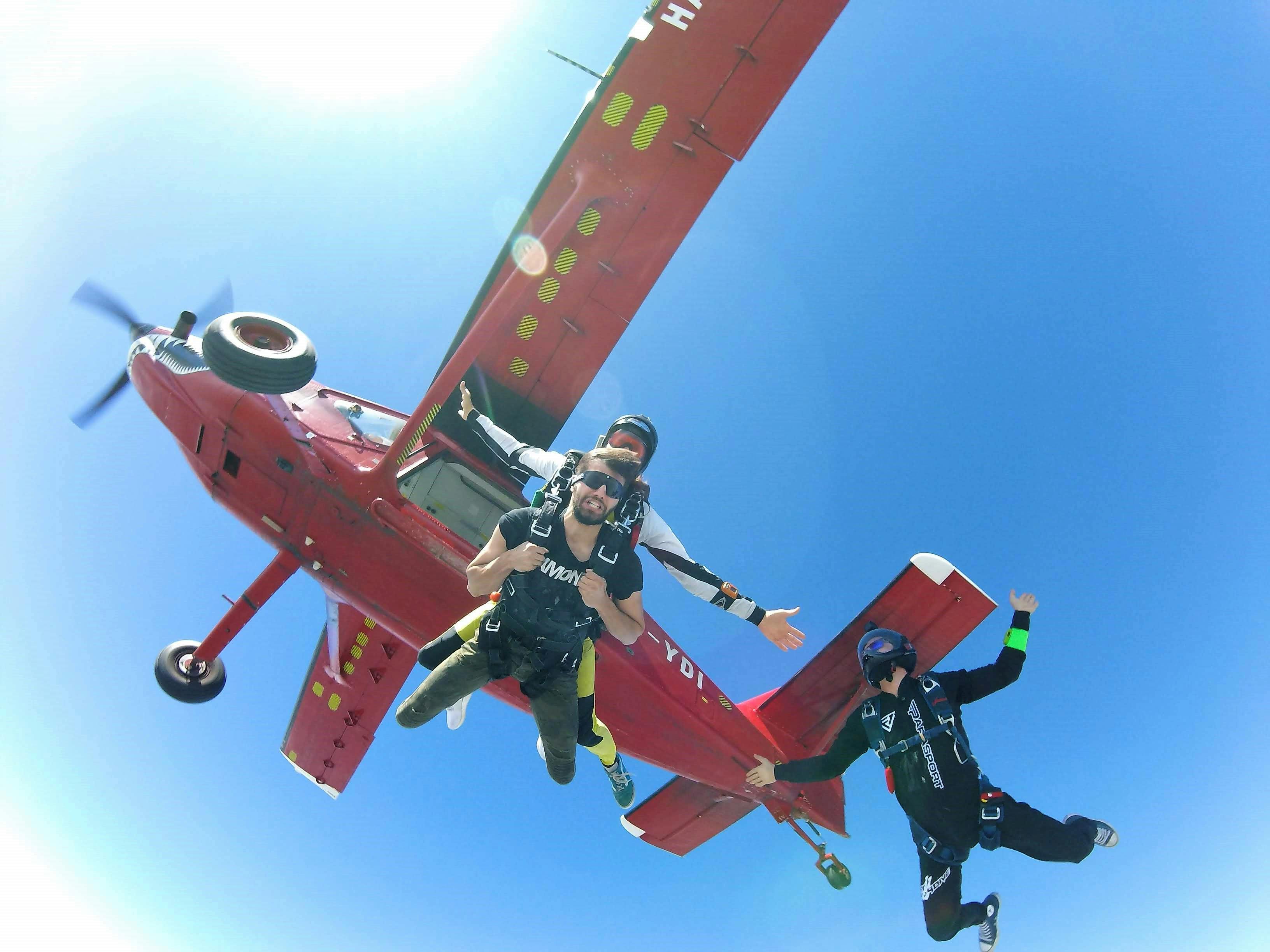
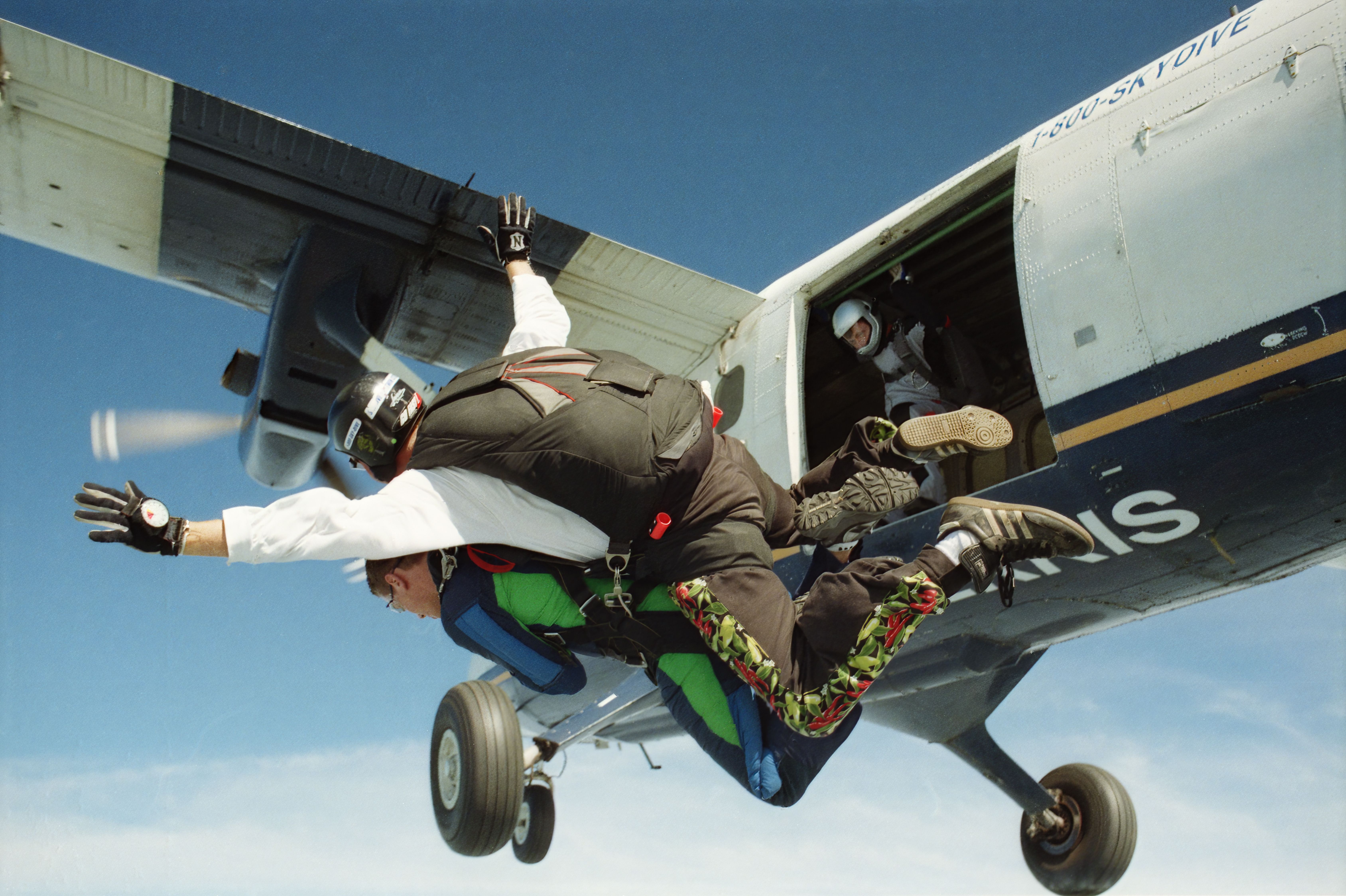
SKYDIVE & SCUBA DIVING EXPERIENCE
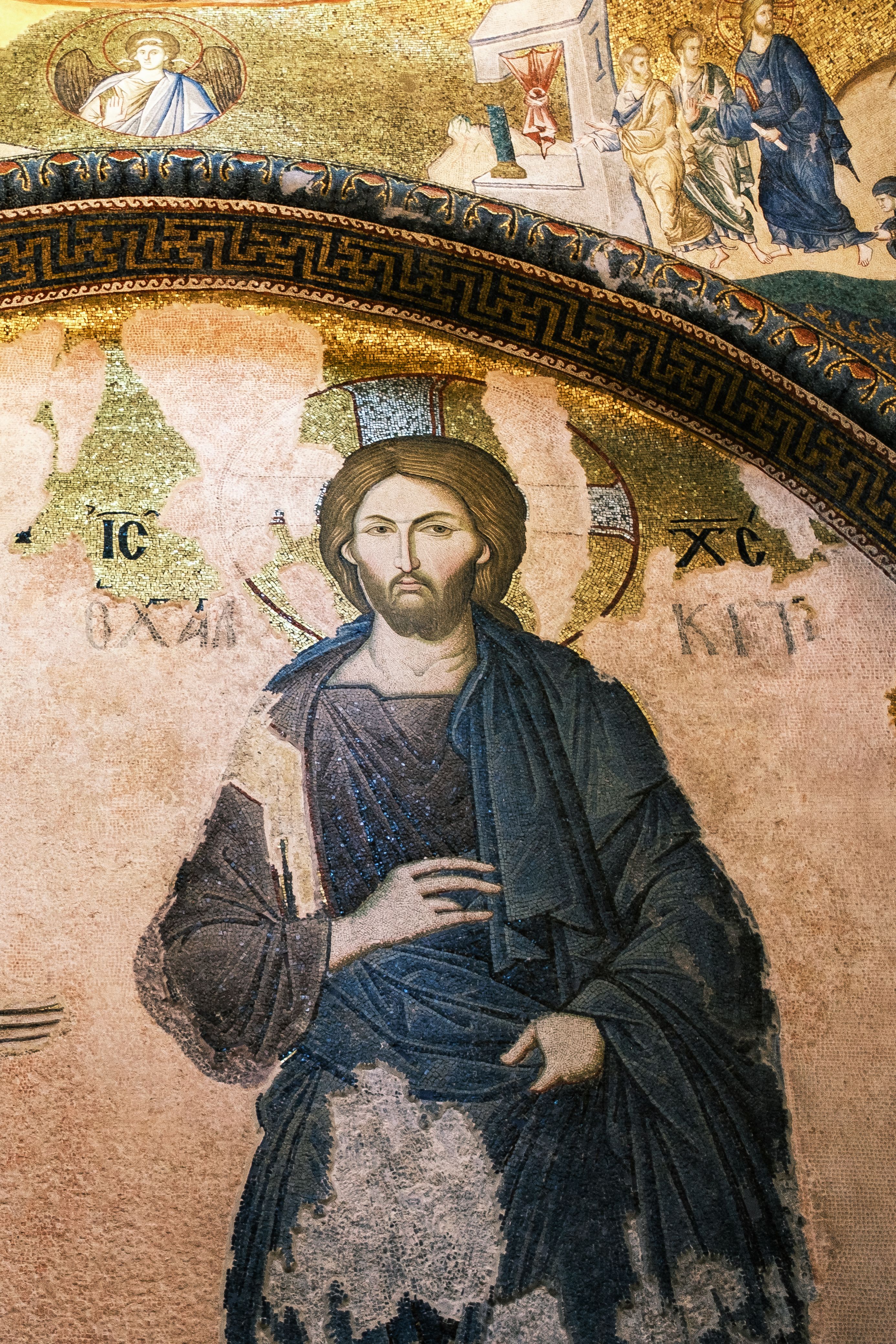
BIBLICAL TURKEY TOURS – SEVEN CHURCHES OF ASIA
History Of Izmir
| Period | Approximate Dates |
| Prehistoric Settlement | 6500 BC+ |
| Early Smyrna Founded | 3000 BC+ |
| Aeolian / Early Greek Period | before 1000 BC–c. 700 BC |
| Ionian Greek Period | c. 700–600 BC |
| Ionian Greek Period | c. 600–546 BC |
| Persian Period | 546–334 BC |
| Hellenistic Refoundation | 4th century BC–133 BC |
| Roman Period | 133 BC–395 AD |
| Byzantine Period | 395–early 14th century |
| Aydinid / Turkish Beylik Period | early 14th century–1344 |
| Crusader / Knights Period | 1344–1402 |
| Timurid Capture | 1402 |
| Ottoman Period | c. 1425–1923 |
| Republic of Turkey | 1923–Present |
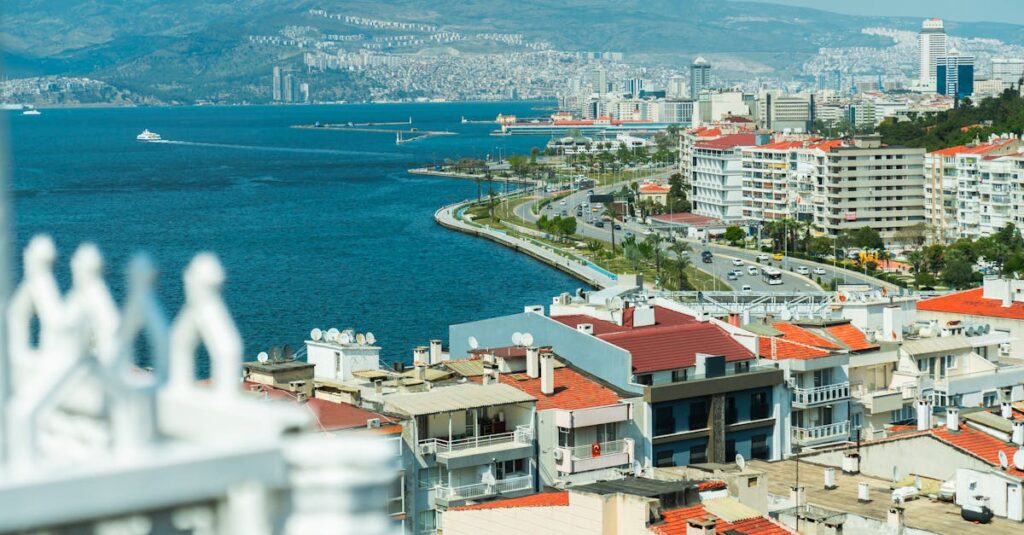
Izmir matters because of geography first. The city sits at the head of a deep Aegean gulf, with access to inland Anatolia and maritime routes toward the Greek islands, the eastern Mediterranean, and Europe. This made it useful not only as a settlement, but as a meeting point for trade, migration, politics, and culture.
Academic studies of Old Smyrna emphasize that the city developed on a small peninsula in the northeastern part of the Izmir Gulf, a location protected by the sea and connected to fertile hinterlands. The archaeological record places early settlement in the area far before the classical city of Smyrna, showing that Izmir was not created by one civilisation but shaped by many successive communities.
The importance of Izmir is also its continuity. Britannica describes Izmir as one of the oldest cities of the Mediterranean world, with almost continuous historical importance for about 5,000 years. This long duration is unusual. Many ancient cities rose and disappeared; Izmir changed names, rulers, populations, and urban centers, but the city continued to function.
For travelers, this means Izmir is not a single-period destination. Ephesus nearby is famous for Roman ruins, Pergamon for Hellenistic power, but Izmir itself is a living historical city. Its past is not locked behind gates. It appears in Bayrakli, Kadifekale, Agora, Kemeraltı, Alsancak, Kulturpark, and the harbor.
Prehistoric Izmir: Before Smyrna
Before Smyrna became a Greek and Roman city, the Izmir area already had human settlement. Archaeological research at Old Smyrna and nearby prehistoric sites shows that the wider region was occupied from very early periods. J. M. Cook’s study of Old Smyrna notes that the occupational history of the site goes back beyond Hellenic times, with prehistoric habitation dating to the third millennium BC and culturally comparable with early Troy.
This is important because it moves Izmir beyond the simple idea of a Greek foundation city. Smyrna is a major part of Izmir’s identity, but the land had older communities, older patterns of living, and older connections across western Anatolia.
The archaeological site of Old Smyrna at Bayrakli is especially valuable because it shows the city before the later urban center moved toward Mount Pagos, today’s Kadifekale area. Excavations indicate Bronze Age and later occupation, and academic descriptions identify Old Smyrna as a settlement used from the Bronze Age through the Classical period.
Book a Pergamon Day Trip From Izmir
What tourists usually miss is that ancient Izmir was not originally where most visitors walk today. The modern center around Konak, Alsancak, and Kemeralti is not the first urban core. Old Smyrna was in Bayrakli, on what was once a small coastal peninsula. Over time, alluvial deposits and changes in the shoreline altered the landscape.
For a visitor, Bayrakli may not look as dramatic as Ephesus. But historically, it is one of the key places for understanding how Izmir began. Its value is not in huge standing monuments; it is in the evidence of continuity.
Ancient Smyrna and the Aegean World
The name Smyrna belongs to the ancient city that became central to Izmir’s identity. Greek settlement is clearly attested by pottery around 1000 BC, and ancient historical tradition connected the city first with Aeolians and later with Ionians. Britannica summarizes this tradition through Herodotus: Smyrna was founded by Aeolians and then taken by Ionians.
This Ionian identity mattered. The Ionian cities of western Anatolia were not isolated towns; they were part of a wider Aegean network of maritime culture, trade, religion, and intellectual exchange. Smyrna’s coastal position allowed it to interact with islands, mainland Greece, and Anatolian powers.
The city also experienced conflict. Academic archaeological discussions of Old Smyrna refer to the attack of the Lydian king Alyattes around 600 BC, supported by historical documentation and archaeological finds. This event marks one of the major disruptions in the life of archaic Smyrna.
The lesson here is that Izmir’s importance made it vulnerable. A useful port city attracted merchants, settlers, rulers, armies, and empires. Throughout history, Izmir benefited from openness but also suffered because of its strategic value.
The relationship between Izmir and Homeric tradition is usually considered related. Smyrna was one of the ancient cities associated with Homer, though scholarly certainty about Homer’s birthplace is impossible. The important point is not to claim a simple answer, but to understand that Smyrna belonged to the literary and cultural geography of early Greek memory.
For travellers, this ancient layer is best approached with modest expectations. Old Smyrna is not a polished open-air museum in the way Ephesus is. It requires imagination, context, and a guide who can connect archaeological remains with the larger Aegean story.
Hellenistic and Roman Smyrna
Smyrna’s second major urban life began after the city shifted from Old Smyrna toward the slopes of Mount Pagos. Ancient tradition credits Alexander the Great with the re-foundation of Smyrna in the Hellenistic period, although the urban development continued under his successors. The new location, around Kadifekale and the lower city, allowed Smyrna to grow into a larger planned city.
Under Hellenistic and Roman rule, Smyrna became one of the principal cities of western Anatolia. Its importance came from trade, urban institutions, public architecture, and its loyalty within the Roman imperial system. The Roman Agora of Smyrna, still visible today in central Izmir, is one of the clearest surviving urban spaces from this period.
The Roman city also endured earthquakes. The severe earthquake of AD 178 damaged major public buildings, including temples, the state agora, theatre, and port facilities, according to ancient sources cited in historical research. The city was rebuilt with imperial support, showing both its vulnerability and its value to Rome.
This Roman layer is essential because it explains why Izmir is not just a port, but an urban civilization. The Agora was not a marketplace in the simple modern sense. It was a public, commercial, administrative, and social space. When visitors walk through its arches and vaulted galleries, they are seeing the infrastructure of a city that belonged to the Roman eastern Mediterranean.
Byzantine, Turkish, and Medieval Izmir
After the Roman period, Smyrna continued under Byzantine rule. Its strategic harbor and fortified heights made it important, but also contested. Medieval Izmir was not a calm coastal town; it was a frontier city shaped by Byzantine, Turkish, Genoese, and crusader interests.
In the late eleventh century, Turkish naval leader Caka Bey used Izmir as a base for maritime operations in the Aegean. The city later returned to Byzantine control, and in later centuries parts of the city were contested between Turkish beyliks and Latin Christian powers. This divided medieval history is one reason Izmir has such a layered identity.
The upper fortress at Kadifekale and the lower port area were not only defensive points. They represented control over the city’s two lifelines: the hill and the harbor. Whoever controlled the height could watch the gulf; whoever controlled the port could shape trade.
For travellers today, Kadifekale is often treated as only a viewpoint. That is a mistake. The panoramic view helps explain the military logic of the city. From there, you see why Smyrna moved from Old Smyrna to Pagos, why the gulf mattered, and why medieval powers fought over this place.
The medieval Izmir was not one unified city in the modern sense. It could be politically fragmented, with different powers controlling different strongpoints. This complexity is part of why Izmir’s history cannot be reduced to one national or cultural story.
Ottoman Izmir: A Mediterranean Port City
Ottoman Izmir became one of the most important commercial ports of the eastern Mediterranean, especially from the seventeenth century onward. Academic studies of Ottoman Izmir connect its rise with European trade, the Levant Company, commercial privileges, textile imports, colonial goods such as coffee, and the growing role of European merchants in navigation and transport.
This period transformed Izmir into a cosmopolitan port. Muslims, Greeks, Armenians, Jews, Levantines, and Europeans lived and worked in the city. Consulates, warehouses, quays, caravan routes, hans, and markets connected the city to both inland Anatolia and overseas commerce.
UNESCO’s description of the Historical Port City of Izmir emphasises that the city’s port-centered development from the sixteenth century until World War I was shaped by commercial and political conditions focused on maritime trade.
Kemeralti, the old bazaar area, belongs strongly to this Ottoman commercial world. It was not only a shopping district. It was an economic organism tied to the harbor. Goods arrived by sea, moved through customs and storage spaces, and circulated through hans, streets, workshops, and religious-community neighborhoods.
Something important to know that Kemeralti is the logic of the old port city. Today, because the shoreline has changed and modern roads cut through the area, it is easy to forget that parts of Kemeralti once stood much closer to the water. The market was not built randomly; it grew in relation to the harbor.
Tour guide tip: For practical visiting, Kemeralti is best explored in the morning or late afternoon. Many small shops open around mid-morning, while the historic atmosphere is strongest in the lanes around Kizlaragasi Han, Hisar Mosque, Havra Street, and the routes toward the Agora.
1922 and the Transformation of the City
No serious history of Izmir can avoid 1922. After World War I, Greek forces landed in Smyrna on May 15, 1919. The Turkish War of Independence ended in the west with the Turkish army entering Izmir on September 9, 1922. A few days later, on September 13, a catastrophic fire broke out and destroyed large parts of the city, especially the Greek and Armenian quarters.
Academic writing on the burning of Smyrna emphasizes that this event changed the physical, economic, and social structure of the city. It also remains a deeply contested and painful subject in Turkish, Greek, Armenian, and international memory.
The fire marked the end of Ottoman Smyrna’s old cosmopolitan order. The population exchange between Greece and Turkey, the departure and loss of communities, and the rebuilding of the city under the Turkish Republic changed Izmir permanently.
For travellers, this history is not always visible at first glance. Alsancak, Kulturpark, and modern avenues sit partly on the memory of destruction and reconstruction. The absence of older neighborhoods is itself historical evidence.
A responsible guide should not turn 1922 into a simple story. It was a human disaster, an urban rupture, and a turning point in the formation of modern Izmir. Academic and historical sources do not all tell it in the same way, but they agree on its scale and transformative effect.
This is one of the reasons Izmir today carries both pride and silence. The city celebrates liberation on September 9, but the memory of the fire and the vanished communities is more complicated. Understanding Izmir means holding both realities together.
Republican Izmir and the Economic Congress
After 1922, Izmir became symbolically important for the new Turkish Republic. The Izmir Economic Congress opened on February 17, 1923, before the Republic was officially proclaimed in October of that year. It represented an attempt to define the economic direction of the new state after years of war.
Izmir was an appropriate location because the city had long been a center of trade and production. Choosing Izmir for the congress connected the Republic’s economic future with a city historically shaped by commerce, ports, agriculture, and international exchange.
The Izmir International Fair also grew from this Republican context. Academic research describes the fair as beginning in connection with the 1923 Izmir Economic Congress and later gaining wider national and international significance after moving to Kulturpark. It functioned not only as a commercial exhibition but also as a diplomatic and cultural platform during the twentieth century.
Kulturpark itself is historically meaningful because it was created in an area affected by the great fire. In urban memory, it represents both loss and rebuilding. Today, people may visit for fairs, concerts, walking paths, or book events, but the space is also part of the city’s Republican reconstruction.
What tourists usually miss is that modern Izmir’s identity as progressive, commercial, and outward-looking is not only a lifestyle image. It is tied to the city’s role in early Republican economic planning, port activity, fairs, education, and civic culture.
What Izmir Means Today
Today, Izmir means continuity, openness, and urban memory. It is Turkey’s major Aegean metropolis, still defined by its gulf, port, universities, fairs, agriculture, industry, tourism, and cultural life. Official investment data describes Izmir as Turkey’s third largest trade center, with a long-term average foreign trade volume above 22 billion USD and a significant share in national exports.
But Izmir’s meaning is not only economic. It is a city where Anatolian, Aegean, Mediterranean, Ottoman, Levantine, Jewish, Greek, Armenian, Turkish, and Republican histories have touched the same streets. Some layers are visible; others survive in archives, place names, food culture, buildings, and absences.
UNESCO’s inclusion of the Historical Port City of Izmir on the Tentative List in 2020 is important because it recognizes Izmir not as a single monument city, but as a historical port landscape. The nominated area connects the historic center in Konak with prehistoric mounds, Old Smyrna in Bayrakli, and the broader urban development of the gulf.
For locals, Izmir often means a certain rhythm of life: sea air, ferries, markets, secular civic identity, and strong neighborhood culture. For historians, it means a rare case of urban endurance through settlement shifts, earthquakes, conquest, trade expansion, fire, migration, and reconstruction.
For travellers, Izmir means a base for Ephesus, Pergamon, Cesme, Urla, and Sardis, but it should not be treated only as a base. The city itself deserves time. One full day can cover Agora, Kemeraltı, Konak, Kadifekale, Alsancak, and the waterfront. Two or three days allow deeper visits to Bayrakli Old Smyrna, museums, synagogues, local food markets, and nearby archaeological landscapes.
Izmir today is also a question: how does a city honor all its pasts while continuing to grow? That question is part of its modern identity. Izmir is not only what survived; it is also what was rebuilt, renamed, remembered, and sometimes forgotten.
Best Historical Places to Visit in Izmir
- Agora of Smyrna
- Izmir Archeology Museum
- Ephesus Ruins
- Pergamon Ruins
- House of Virgin Mary
- Claros,Kolophon & Notion,Teos, Metropolis
- Sardis
- Cesme, Alacati, Urla, Foca
- Sirince
Check official museum information before visiting anything.
Ready to Explore Izmir?
Before booking any tour, check three things: where it starts, what is actually included, and how much time you get at the main site. A cheap tour that rushes the important part is not good value.
Why Licensing Matters at Archaeological Sites
If this is your first time visiting Izmir, book a licensed walking tour for your first day. It will help you understand the city’s layout, avoid wasted time.
Ask whether the guide is licensed. In Turkey, choosing a licensed tour guide in Izmir is not only about quality — it is about legality. A licensed guide is trained and authorised to work at historical and archaeological sites. This matters especially at places such as Ephesus, Pergamon, and museum-connected routes.
Book a Private Ephesus Tour From Izmir
When To Visit Izmir?
Travel outside peak summer if you can. Accommodation in central Izmir is often better value in spring, autumn, and winter. Cesme and Alacati become much more expensive in high summer. In July and August, do not plan Agora, Kadifekale, and Ephesus during the middle of the day. Visit ruins early, then use the hottest hours for lunch, museums, ferries, or a break by the coast.
Where to Stay in Izmir ?
- Luxury Hotels list in Izmir: genuinely one of the best hotels I’ve ever set foot in.
- 5 Star – Best Hotels in Alsancak Izmir: city centre.
- 5 Star – Best Hotels in Konak Izmir: city centre.
- 5 Star – Best Hotels in Bostanli and Karsiyaka: city centre.
- Mid-range hotels list in Izmir: great terrace, good staff.
- Budget hotels list in Izmir : reliable, central, fair price.
Day Trips from Izmir
Ephesus, Pergamon, Urla, and Cesme
Izmir day trips are a major part of why people visit the city. Ephesus is the obvious one and deserves a full day. Pergamon is excellent for dramatic ancient landscapes, hilltop views, the Asklepion, and Hellenistic history. Cesme and Alacati are better for sea, food, stone streets, and summer energy. Urla works well for vineyards, seafood, art spaces, and slower coastal villages.
Don’t put Ephesus and Pergamon in the same day unless you only want to collect names. Each one deserves its own day from Izmir. For Cesme and Alacati, stay there separately if beach time is a major part of the trip. Do not try to turn every summer beach day into a return trip from central Izmir unless you are comfortable with traffic and travel time.
Cruise Visitors and Shore Excursion Timing
For cruise visitors, timing is essential. If you arrive through Kusadasi and want Ephesus, use a shore excursion or private guide who understands port timing. The site is too large to treat casually when a ship departure is involved.
Is Izmir Safe for Travellers?
Izmir is generally safe and comfortable for travellers, especially in central areas such as Alsancak, Konak, Karsiyaka, Bostanli, and the main transport zones. It is still a large city, so basic awareness matters.
Archaeological Sites — Footwear and Heat
At archaeological sites, wear proper shoes. The Agora, Kadifekale, Ephesus, and Pergamon all have uneven stone, slopes, steps, and sometimes slippery surfaces. This matters more than visitors expect.
In summer, heat is the main safety issue. Carry water, wear a hat, use sunscreen, and plan shade breaks. Ephesus and Pergamon can be especially tiring because large parts of the route are exposed.
Respecting Religious and Heritage Spaces
At night, stay in active and well-lit areas if you are unfamiliar with the city. Alsancak, Kordon, and busy central streets are usually easier for evening walks. In quiet commercial districts after closing time, use BiTaksi or Uber instead of wandering through empty streets.
Respect religious and heritage places. Around mosques, synagogues, hans, and residential streets, move calmly and dress respectfully when entering active places of worship. Some buildings in the Kemeralti area are private, restricted, or open only with permission.
Ride Apps vs Street Taxis
For app-based rides, use BiTaksi or Uber in Izmir instead of trying to negotiate rides on the street. Uber lists taxi rides in Izmir through the app, and BiTaksi works as a local taxi-calling platform. For visitors, this is usually easier because the route, driver details, and payment options are handled inside the app.
How To Get Around Izmir?
Airport to City Centre — IZBAN Suburban Rail
The easiest airport connection for many independent travellers is IZBAN from Izmir Adnan Menderes Airport. Follow the airport signs for the suburban rail station. From there, you can reach central districts such as Alsancak, with transfers depending on your final stop.
Konak usually requires a transfer or a short onward ride, depending on your exact route. Alsancak is often easier for first-time visitors arriving by rail from the airport.
Spend money where it changes the quality of the trip: one good guide, one proper day trip, and one memorable meal. Save money by using public transport for easy routes, then use BiTaksi or Uber only when they actually save time.
Use public transport for the airport and central areas, ferries for the bay experience, and BiTaksi or Uber for Kadifekale, late evenings, or luggage days. Save car rental for day trips outside the centre.
Hire a Car in Izmir
A car is not necessary in central Izmir. It becomes useful for Urla villages, vineyards, Birgi, Pergamon, Cesme, and coastal or inland routes. With the use of a private car, you can explore everything on your own terms without the need to be concerned about any transport schedules. To ensure that you have an enjoyable ride, see this private car service.


Related Blogs on Izmir
Want more tips for your trip? Check out all the articles I’ve written on Istanbul travel and continue planning your trip:

Turkey Biblical Tours
What To Do in Izmir? All Activities

Best Beaches and Hotels of Izmir
Travel Guide: The Best Booking Resources
Below are my favorite companies to use when I travel. They are always my starting point when I need to book a flight, hotel, tour, car rental, or travel insurance.
- Booking.com – A reliable all-around booking site with a wide selection of hotels, guesthouses, and budget accommodation.
- Expedia – A useful platform for comparing hotels, flights, packages, and travel deals.
- Viator & Tripadvisor – Great for finding tours, activities, day trips, and local experiences.
- GetYourGuide – A large marketplace for tours, excursions, guided walks, food experiences, and activities.
- Airbnb – A good option for apartments, unique stays, and longer-term accommodation.
- Skyscanner – My favorite flight search engine. It searches budget airlines and smaller sites that larger platforms often miss.
- SafetyWing – Affordable travel medical insurance for digital nomads, long-term travelers, and people on the road.
- Discover Cars – A car rental comparison site that helps you find rental deals for road trips and airport pickups.