
12 must-see places in Turkey Worth Building an Entire Trip Around
You can cross two continents on a ferry that costs less than a coffee, walk down a Roman street excavated layer by layer, sleep in a cave, and watch hundred and fifty balloons lift off a valley floor before sunrise. All in the same country, often the same week. These are the must-see places in Turkey I’d send someone to on a first trip, from Istanbul’s waterfront to ruins that are still rewriting what archaeologists thought they knew.
Table of Contents
Istanbul
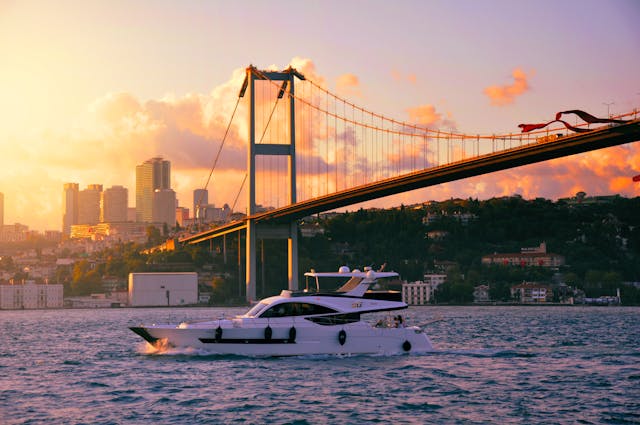
Skip the tourist boats. The public ferry across the Bosphorus costs about the same as a city bus and shows you the exact same thing: palaces, mosques, waterfront apartment blocks, all sliding past on both sides at once.
This city was the capital of three empires in a row, Roman, Byzantine, Ottoman, and you can still feel all three layered on top of each other if you know where to stand. Hagia Sophia has been standing for almost 1,500 years and it still holds its own against anything built since. Topkapi Palace is a short walk from there and shows you what four centuries of Ottoman daily life actually looked like, not the postcard version.
Most people never make it past Sultanahmet. Kadikoy and Uskudar are where the city actually lives now, and honestly, that might be the more interesting half to see. Take the Eminonu to Kadikoy ferry right before sunset if your schedule allows it. Costs almost nothing, best view in the city.
Troy Archeological Site
Smaller than you’d think. That catches people off guard almost every time. Historians still argue about the details of the war Homer described, but the city itself was real, and archaeologists have found layer after layer of settlement stacked on top of each other going back thousands of years.
Walking Through Thousands of Years of History in Troy
You can walk the ruins in under an hour, which isn’t much. The Troy Museum next door is what actually makes sense of what you just saw, so don’t skip it because you’re tired or hungry. Have lunch on Canakkale’s waterfront after. Good way to close the day out.
Pamukkale and Hierapolis
The white terraces look fake in photos. They aren’t. Mineral-rich hot springs built them up over thousands of years, mineral by mineral, the same slow accumulation that builds up limescale in a kettle, just on a geological scale.
Hierapolis sits above the terraces, a Roman spa town with one of the better-preserved theatres in the country, and you can swim in the Antique Pool where sunken Roman columns rest right on the bottom. Go early if you’re there in summer. Midday brings the heat and the crowds at the same time, and neither helps the other.
Ephesus and Pergamon
Ephesus was one of the largest cities in the Roman Empire, and walking down Curetes Street toward the Library of Celsus justifies the entire detour by itself. Next to the Great Theatre, the Terrace Houses show real Roman apartments: mosaics, plumbing, the works, still intact after two thousand years.
Walking the Streets of One of Rome’s Greatest Cities
An hour north, Pergamon rises above the modern town of Bergama. Its hillside theater is one of the steepest ever built in the ancient world (steep enough that sitting near the top feels a little precarious), and the Acropolis above it functioned as a genuine centre of learning, not just ceremony.
Read more about Izmir and Ephesus & Pergamon…
If you have the time, pair Ephesus with Sirince village and the House of Virgin Mary. Fills out a full day without making it feel rushed.
Aspendos
The Best-Preserved Roman Theatre in Turkey
Antalya gets all the credit for its beaches. Aspendos, not far off, quietly has one of the best-preserved Roman theaters anywhere in the world. Built in the second century AD, still intact enough that concerts happen there today.
The acoustics are the part that gets me. Stand in the back row and you can hear someone talking normally on stage, no amplification, nothing but the shape of the stone doing the work. Go earlier in the day, then drive to Side for sunset at the old harbour.
Cappadocia
If you only have room for one must-see spot in Turkey, this is probably it. Nothing else looks like this anywhere. Volcanic ash eroded over millions of years into the fairy chimneys and valley walls you’ve probably already seen in someone’s photos. Goreme, Uchisar, and Ortahisar each give a slightly different angle on the same landscape, and it’s worth seeing more than one.
At sunrise, dozens of balloons go up together. You don’t need to be in one. Standing in a field watching them rise is enough on its own, and honestly might be the better view. Underground, cities like Derinkuyu and Kaymakli were carved out to hide entire communities during invasions, which is worth sitting with for a second before you move on. The rock-cut churches at the Goreme Open Air Museum deserve a slow visit, not a quick pass-through on the way to something else.
Get up for the launch even if the flight itself is out of budget.
Anitkabir & Anatolian Civilisation Museum
Most travelers skip the capital entirely. I think that’s a mistake if you actually want to understand the country and not just its ruins.
Anitkabir, the mausoleum of Mustafa Kemal Ataturk, is one of the most significant sites in Turkey. Spending real time there tells you a lot about how the country sees itself now. The Museum of Anatolian Civilizations, meanwhile, traces the region from prehistoric settlements through the Hittites, and it’s one of the better museums in the country, full stop.
Visit before Gobeklitepe or Catalhoyuk if your route allows it. The context carries over.
Catalhoyuk
Roughly 9,000 years old. One of the oldest large settlements ever found, and it changed how archaeologists think about early cities altogether.
Houses were built wall to wall with no streets between them, and people got in through openings in the roof since there were no doors at street level. The site takes some imagination to read on its own, so lean on the visitor center. It fills in what you’re actually looking at, which the ruins alone won’t do.
Gobeklitepe
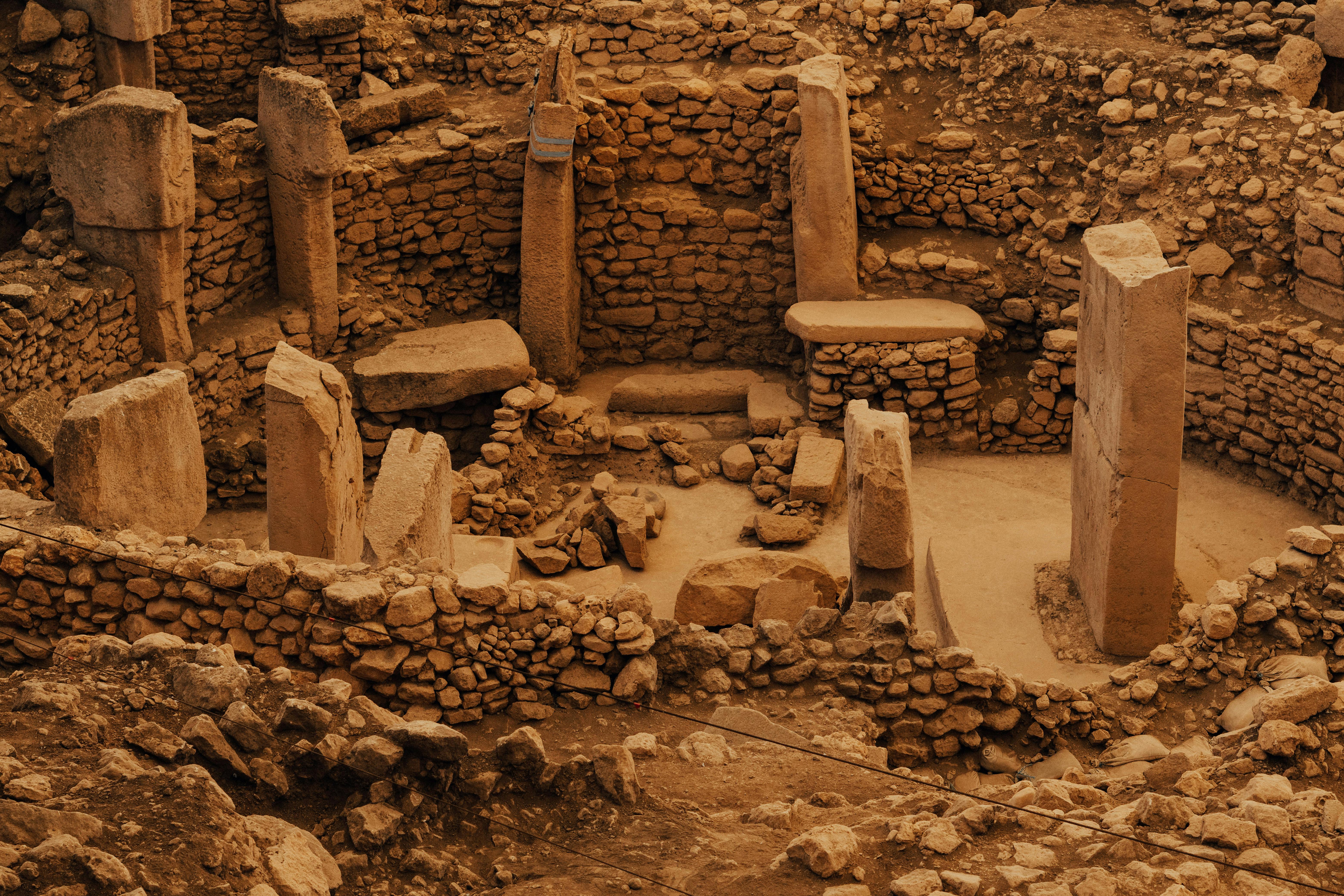
More than 11,000 years old, older than Stonehenge by thousands of years, and few sites have shaken up archaeology the way this one has. Located near Sanliurfa, the carved stone pillars here pushed the timeline for organised religion and communal life back by a wide margin.
Here’s the part that’s strange to sit with: it looks like people were gathering to hold ceremonies before they settled down to farm, which flips the order most people assume without thinking about it. The Sanliurfa Archaeology Museum nearby fills in a lot of the background if the site alone leaves you with more questions than answers.
Mevlana’s Museum
Quieter than the coast cities. That’s most of the appeal, if we’re being honest.
The Mevlana Museum, with its green dome, pulls in people who come specifically for Rumi and Sufi tradition. Try etli ekmek and firin kebabi while you’re there, both local specialties worth a detour on their own merits. December visitors get the Seb-i Arus ceremonies, which mark the anniversary of Rumi’s death.
Stay one night if you can manage it. Konya feels like a different place once the day-trip crowds clear out.
Read more about Konya & Mevlana Rumi, whirling dervishes…
Safranbolu
One of the better-preserved Ottoman towns left standing anywhere in Turkey. Old mansions, narrow streets, the whole layout still shows what the town looked like during its years on the caravan trade routes.
A lot of the historic houses now run as boutique hotels, so instead of just looking at the architecture from outside, you get to sleep inside it. Climb Hidirlik Hill before sunset. View over the whole old town, worth the short walk up.
Mount Nemrut
You have to work for this sunrise. At over 2,000 meters, the summit holds enormous stone heads built for King Antiochus I of Commagene, and most people climb up in the dark to watch the first light hit the statues and the mountains behind them.
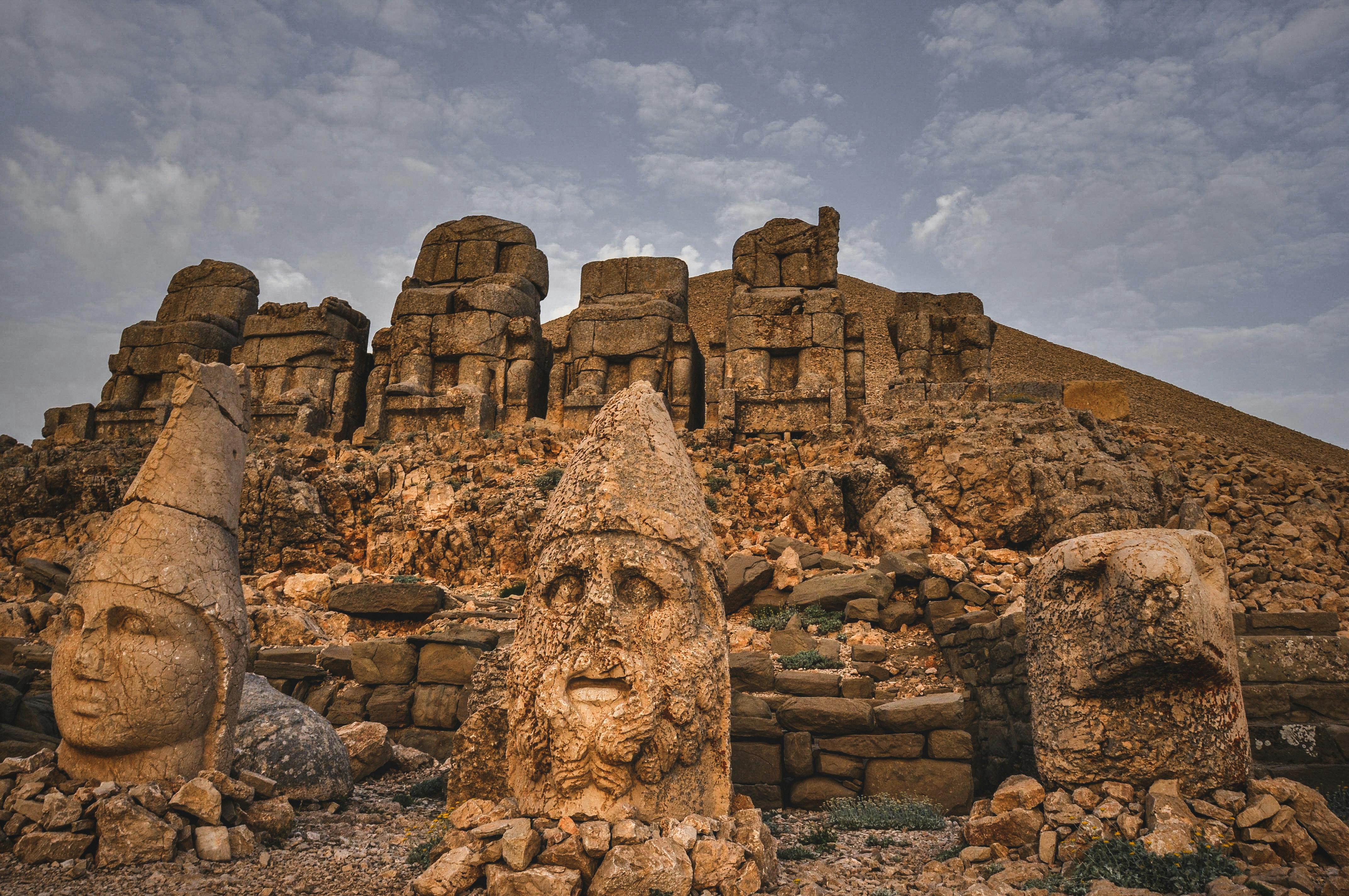
It’s remote. Getting there takes actual planning, not just a taxi ride. But few sunrises anywhere earn the effort the way this one does. Go for sunrise, not sunset, fewer people show up and the light works better for photos anyway.
Planning your must-see places in Turkey itinerary?
Istanbul gives you empire and history stacked in one place. The Aegean coast gives you Roman ruins you can walk straight through. Cappadocia gives you a landscape that doesn’t resemble anywhere else on the list, and Gobeklitepe gives you a piece of human history archaeologists are still actively rewriting as they dig.
Drive yourself, join tours for the harder-to-reach sites, or fly between regions to save time, whatever fits your trip. Just build in more days than you think you’ll need to see everything on this list. Most people who cover these must-see places in Turkey once come home already planning the next trip.
Travel Guide: The Best Booking Resources
Below are my favorite companies to use when I travel. They are always my starting point when I need to book a flight, hotel, tour, car rental, or travel insurance.
- Booking.com – A reliable all-around booking site with a wide selection of hotels, guesthouses, and budget accommodation.
- Expedia – A useful platform for comparing hotels, flights, packages, and travel deals.
- Viator & Tripadvisor – Great for finding tours, activities, day trips, and local experiences.
- GetYourGuide – A large marketplace for tours, excursions, guided walks, food experiences, and activities.
- Airbnb – A good option for apartments, unique stays, and longer-term accommodation.
- Skyscanner – My favorite flight search engine. It searches budget airlines and smaller sites that larger platforms often miss.
- SafetyWing – Affordable travel medical insurance for digital nomads, long-term travelers, and people on the road.
- Discover Cars – A car rental comparison site that helps you find rental deals for road trips and airport pickups.