
ISTANBUL TRAVEL GUIDE
Istanbul is a city shaped by empire, trade, faith, and daily life on the water. Its history is visible not only in Hagia Sophia, Topkapi Palace, and the old city walls, but also in ferry routes, market streets, mosque courtyards, and neighbourhoods that have changed hands many times over the centuries.
Table of Contents
What to See and Do in Istanbul?
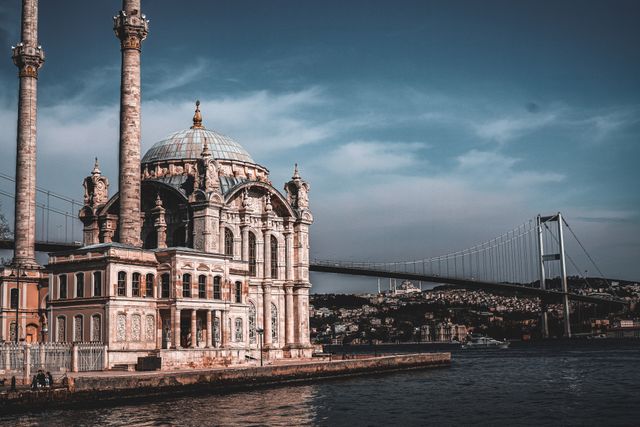
ISTANBUL CITY NEIGHBOURHOODS TO EXPLORE
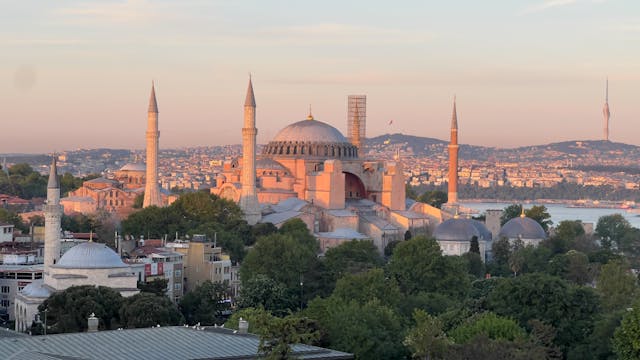
ICONIC LANDMARKS & MUSEUMS
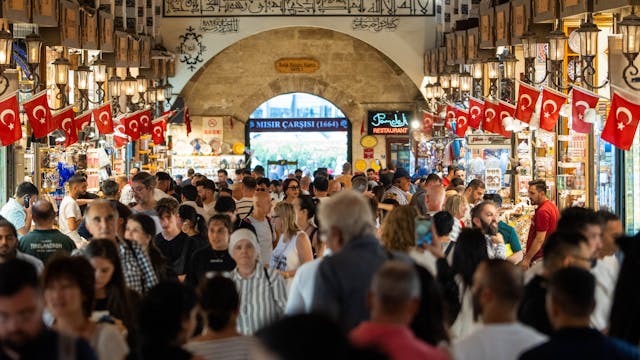
BAZAARS AND MARKETS : GRAND BAZAAR, SPICE MARKET
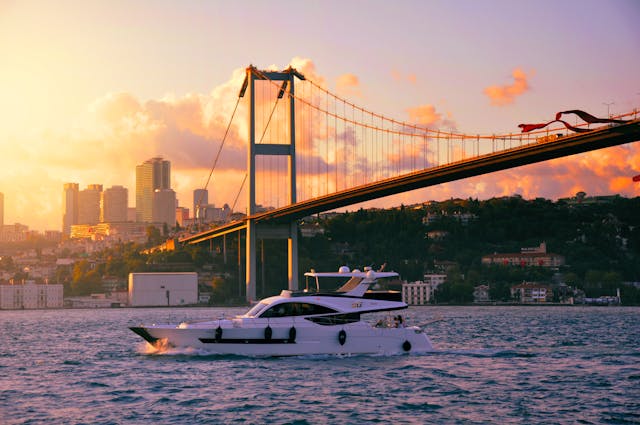
BOSPHORUS AND WATER ACTIVITIES
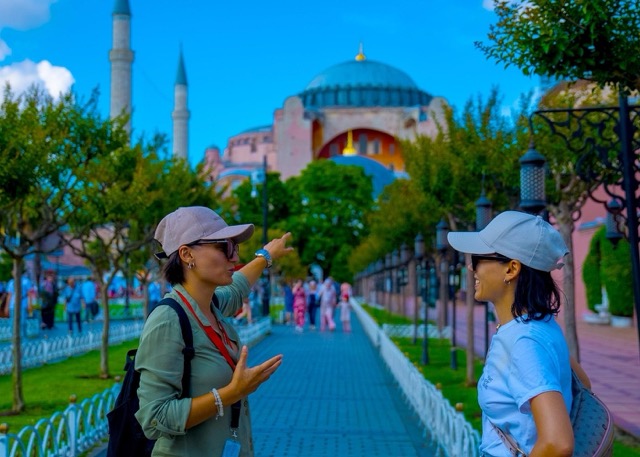
ISTANBUL PRIVATE GUIDED WALKING TOURS
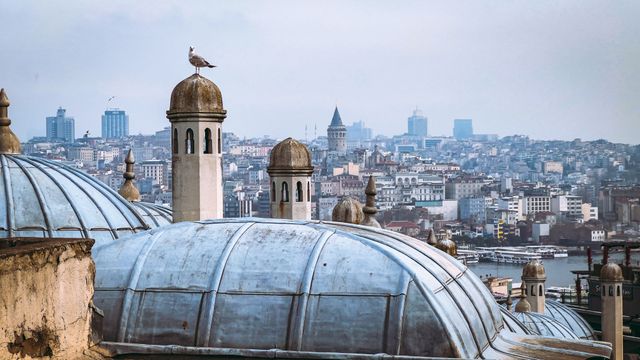
BEST VIEWPOINTS AND SCENIC SPOTS
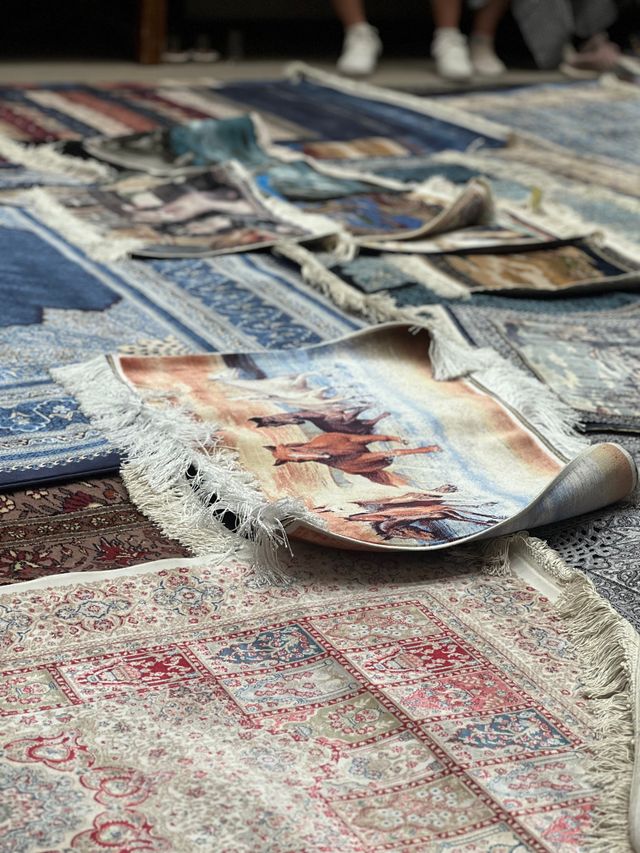
SHOPPING, ENTERTAINMENT & NIGHTLIFE
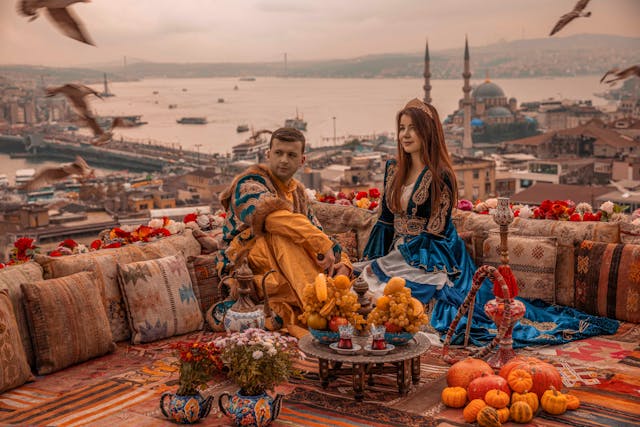
PRIVATE PHOTOGRAPHER & PHOTO SHOOTING, FLYING DRESS
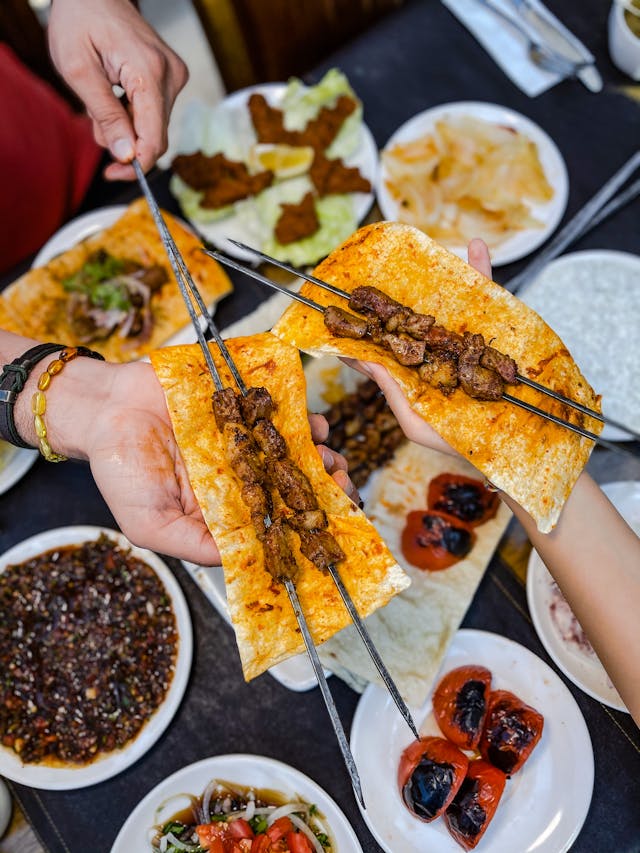
TURKISH FOOD, DRINKS & CULINARY EXPERIENCE
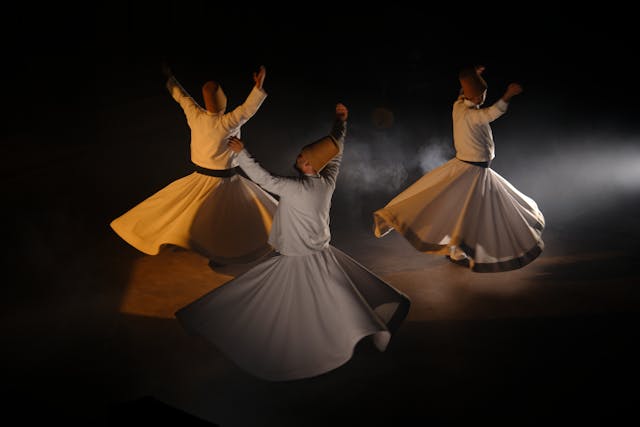
HISTORICAL & CULTURAL EXPERIENCE

WELLNESS AND SPA EXPERIENCE
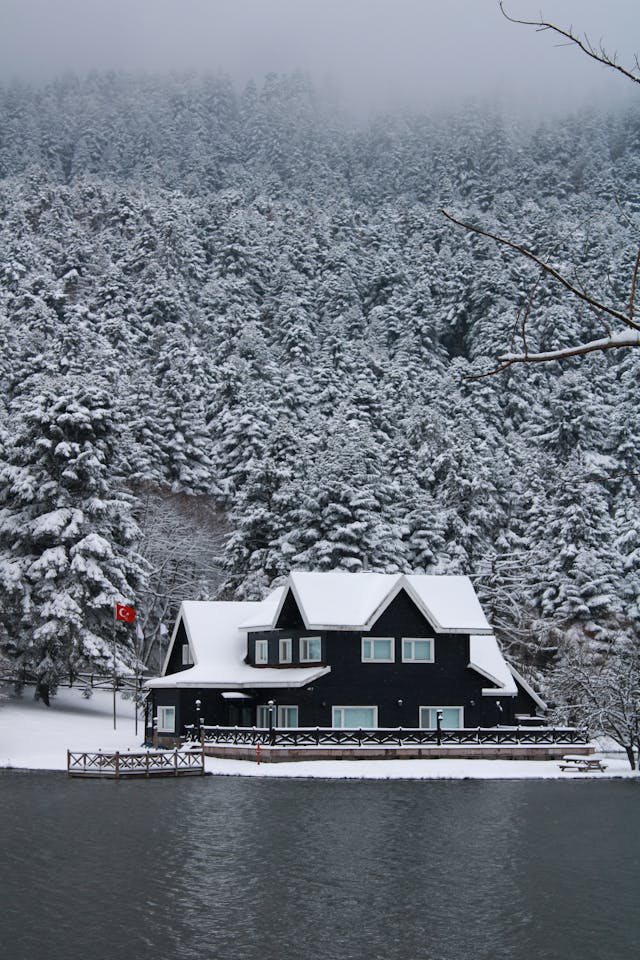
DAILY & MULTI DAY TRIPS FROM ISTANBUL
History Of Istanbul
| Period | Approximate dates |
|---|---|
| Prehistoric settlement | 6700 BC+ |
| Byzantium founded (Megarian colony) | 667 BC |
| Roman period | 1st century BC to 330 AD |
| Byzantine period (Constantinople) | 330 to 1453 |
| Ottoman period | 1453 to 1923 |
| Republic of Turkey | 1923 to present |
A City of Three Empires and Timeless Significance
Istanbul stands as the only city globally to have served as the capital of three distinct empires. Stretching across two continents, it’s a tangible reality, not just a metaphorical one. Crossing the Bosphorus reveals a sign indicating your entry into Asia. For nearly three millennia, this city has endured battles, fires, reconstructions, conquests, conversions and continuous habitation. Unlike many ancient cities whose layers are best appreciated in museums, Istanbul remains a vibrant and economically active urban centre today.
This unique blend of historical depth and an unbroken present gives Istanbul its distinctive character. Everything else I can share about this city stems from this fundamental truth.
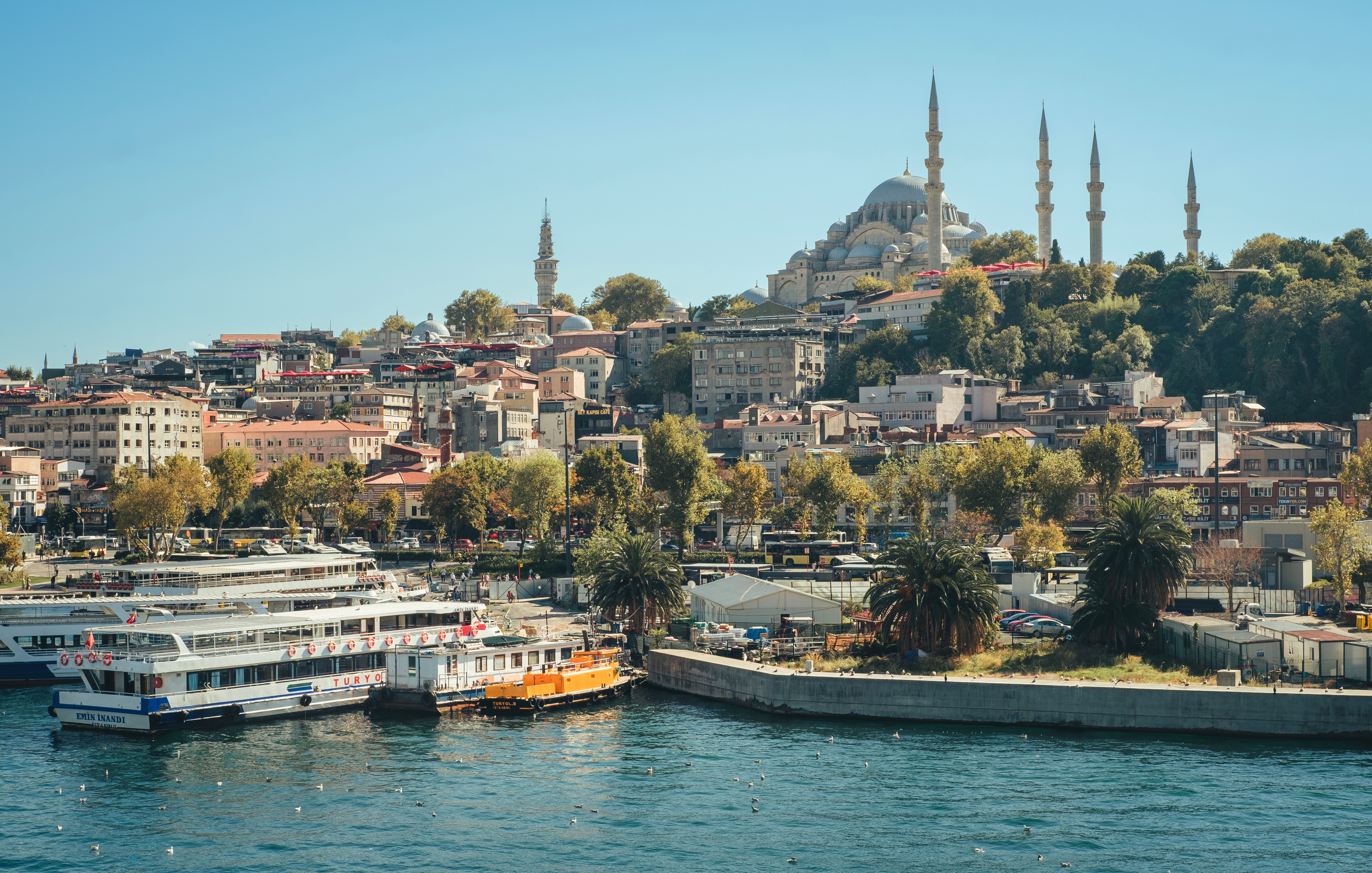
Prehistoric Istanbul: What Lies Beneath Istanbul’s Soil
Archaeologists at Fikirtepe on Istanbul’s Asian shore uncovered evidence of a Chalcolithic settlement dating back to around 5500 to 3500 BCE. This wasn’t just a campsite or seasonal shelter but a well-organised community with its own pottery, tools, buildings and structured social life. Human habitation on these shores predates the classical world by millennia.
Meanwhile, Yarimburgaz Cave on Istanbul’s European side offers some of the oldest evidence of human activity in the region. However, researchers are still piecing together the full picture. The complete picture seems clear. I’d rather acknowledge the gap than overstate what’s been confirmed. It’s evident that human settlement here dates back a long time.
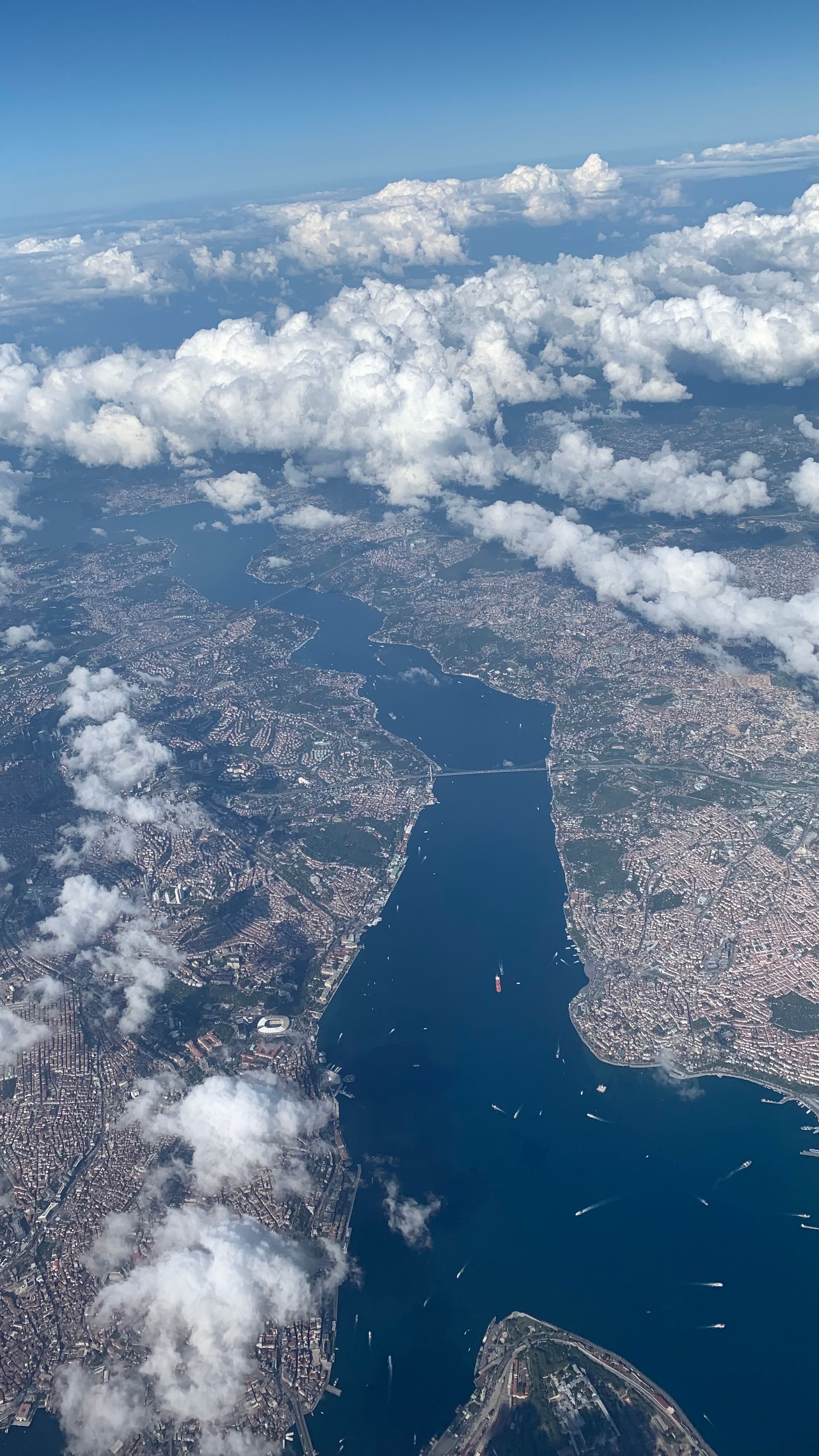
The reason is simple. The Bosphorus Strait, about 31 kilometres long and no wider than 3.5 kilometres at its narrowest, is the sole water passage connecting the Black Sea to the Mediterranean via the Sea of Marmara and the Dardanelles. Every shipment of grain, timber, fur and metal travelling by sea between these two bodies of water had to pass through. A settlement here wasn’t just a home; it held leverage over one of the most valuable natural corridors in ancient times.
This is why people settled here – and they did so thousands of years ago. Throughout millennia, dozens of different civilisations recognised the value of this location. It’s important to understand that continuity is more significant than any single site or monument.
Byzantium: From a Greek Settlement to a Key Location in Antiquity
Standing at the southern tip of the old city, you can gaze across the Bosphorus with the Sea of Marmara stretching to your right and the Golden Horn bay curving to your left. On a clear day – and Istanbul is blessed with many – the Asian shore feels almost within reach.
The view from here is essentially the same as that experienced by colonists from the Greek city of Megara when they arrived around 657 BCE. The deep, sheltered bay to the left and the current in the strait clearly indicate the location of the Black Sea and the Mediterranean. This made it an obvious stopping point.
According to ancient sources, the Greek colony founded here was named Byzantium after a leader called Byzas. However, Byzas is often regarded by modern scholars as a semi-legendary figure rather than a historical person. While the settlement itself is a historical fact, the identity of its founder remains uncertain. I prefer to be honest with visitors about the lack of solid evidence supporting a confident origin story.
What is certain is the strategic importance of the location. Ships travelling in either direction had to stop here. Byzantium flourished, becoming a prosperous Greek-speaking city and a regional power for centuries. It experienced Persian influence, regained independence and eventually became part of the Hellenistic world after Alexander the Great. It played a significant role in history but had not yet achieved the status of a city that would change the course of events.
Severus Punishes It. Then Constantine Makes It Great.
In 193 CE, Byzantium supported Pescennius Niger in a Roman civil war against Septimius Severus. Severus emerged victorious and besieged the city for approximately two to three years.
Years later, around 196 CE, he stripped the city of its civic rights and demolished its fortifications. The punishment was clear.
Then he rebuilt it.
Severus had a sharp eye for what he’d punished. He expanded the hippodrome – the long oval track that would eventually become one of the ancient world’s great political arenas – and invested heavily in the city’s infrastructure. The ruler who had caused Byzantium the most damage also understood better than anyone else its potential.
In September 324 CE, Emperor Constantine I defeated his co-emperor Licinius at the Battle of Chrysopolis on the Asian shore of the Bosphorus near what is now Istanbul’s Haydarpasa district. Standing on that shore, he gazed west across the water at the European promontory and made his decision: this would be the centre of the world.
On May 11, 330 CE, he officially dedicated the city as Nova Roma – New Rome – and he meant it seriously. The new capital was built across seven hills, mirroring Rome’s original layout. He established a Senate, expanded the hippodrome and brought artworks and column capitals from across the empire to fill the public spaces. This wasn’t just a provincial administrative centre; it was a replacement for Rome.
Nova Roma didn’t catch on as a name. Within a generation, people began calling it Constantinople – the City of Constantine. Under that name, it would remain the most important city on Earth for over eleven hundred years.
The Walls That Kept Everyone Out for a Thousand Years
Under Emperor Theodosius II, a formidable defensive system was constructed along the western landward side of Constantinople. Construction commenced around 412 CE and was largely completed by 422 CE. “Wall” is an inadequate term; what was built was a layered system comprising a moat, a lower outer wall, a terrace, and finally the grand inner wall. This wall stood approximately five metres thick and up to twelve metres high, with towers reaching twenty metres at regular intervals along a total length of roughly 6.5 kilometres across the peninsula.
For over a thousand years, no army managed to breach its defences from the outside.
When I guide groups along these ancient walls, I pause to reflect on that remarkable feat: a thousand years. Hunnic forces under Attila, Avar armies, Arab forces twice, and Bulgarian warriors all attempted to penetrate, only to be ultimately repelled.
Today, walking along the surviving stretches of these walls—and substantial sections remain standing—one can touch the stonework from the 5th century CE. While the walls are partially ruined, with grass pushing through mortar cracks and fig trees rooting into the lower courses, these are the original stones. Touching them offers a tangible connection to the ancient world that words alone cannot convey.
Finally, the walls were breached in the mid-15th century by a 21-year-old sultan who grasped the potential of a new technology far ahead of his contemporaries.
The Nika Riots and Hagia Sophia: The Turning Point of Justinian
Of all Istanbul’s historical events, the Nika Riots of January 532 CE often elicit the strongest reactions from visitors. It’s a tale of how close this city came to a drastically different fate and how a pivotal decision during a moment of crisis ultimately led to the construction of Hagia Sophia.
Justinian I ruled from 527 to 565 CE, a rare emperor whose visionary leadership was matched by his organisational prowess. He reconquered significant portions of the western Roman territories and commissioned the Corpus Juris Civilis, a comprehensive codification of Roman law that became a cornerstone of legal systems throughout much of Europe.
However, in January 532, the city nearly toppled him.

The Nika Riots began in the Hippodrome, where supporters of the two chariot-racing factions, the Blues and the Greens, clashed. These factions had long since evolved into organised political blocs with substantial street presence across the city. What started as protests against Justinian’s government quickly escalated into a full-blown insurrection over several days. Massive sections of Constantinople burned, including the original Hagia Sophia church and parts of the imperial quarter. The fires even reached the palace grounds.
Historian Procopius, who witnessed these events firsthand at the palace, chronicled the chaos and destruction.
Procopius recorded that Justinian was preparing to flee the city by sea. However, Empress Theodora intervened, reportedly telling the assembled court that imperial dignity couldn’t be traded for personal safety. She suggested that the purple robes would make a fitting burial shroud for anyone unwilling to live without them. While we can’t confirm her exact words, as Procopius wrote after the fact and wasn’t always a neutral observer, the historical record shows that Justinian stayed. He dispatched his general Belisarius to suppress the uprising, which was eventually put down with considerable force.
Almost immediately, Justinian commissioned the rebuilding of the city.
The new Hagia Sophia was entrusted to Anthemius of Tralles and Isidore of Miletus, both mathematicians and structural theorists rather than conventional architects. Their challenge was to construct a dome of unprecedented scale over a rectangular floor plan without compromising the structural integrity of the walls. They achieved this by employing pendentives, half-domes and arches to distribute the weight outward and downwards, creating an open central interior space illuminated by windows encircling the dome’s base. The dome’s diameter measured approximately 31 metres.
Procopius described the finished dome as appearing to hang suspended from heaven by a golden chain. This wasn’t mere stylistic exaggeration; the structural design genuinely created a unique spatial experience.
Dedicated on December 27, 537 CE, Hagia Sophia remained the largest enclosed Christian place of worship in the world for nearly a millennium.
I visit it regularly and the moment I eagerly anticipate is the first step through into the full interior, when the dome opens above us. Conversations cease; every group, without exception. After fifteen centuries, the building continues to perform exactly as it was designed.
Centuries of Holding On
After Justinian, Constantinople endured attacks from various directions over the ensuing centuries. Arab forces under the Umayyad Caliphate laid siege twice: first from 674 to 678 CE during Caliph Muawiya I’s reign and then from 717 to 718 CE under Maslama ibn Abd al-Malik. Both sieges ultimately failed as the Theodosian Walls held firm. Byzantine naval forces deployed Greek fire, an incendiary compound burning with exceptional intensity and impervious to water.
The precise chemical composition of Greek fire remains a genuine unsolved technical mystery of antiquity, a true enigma. While we understand its effects, the exact nature of its ingredients remains unknown.
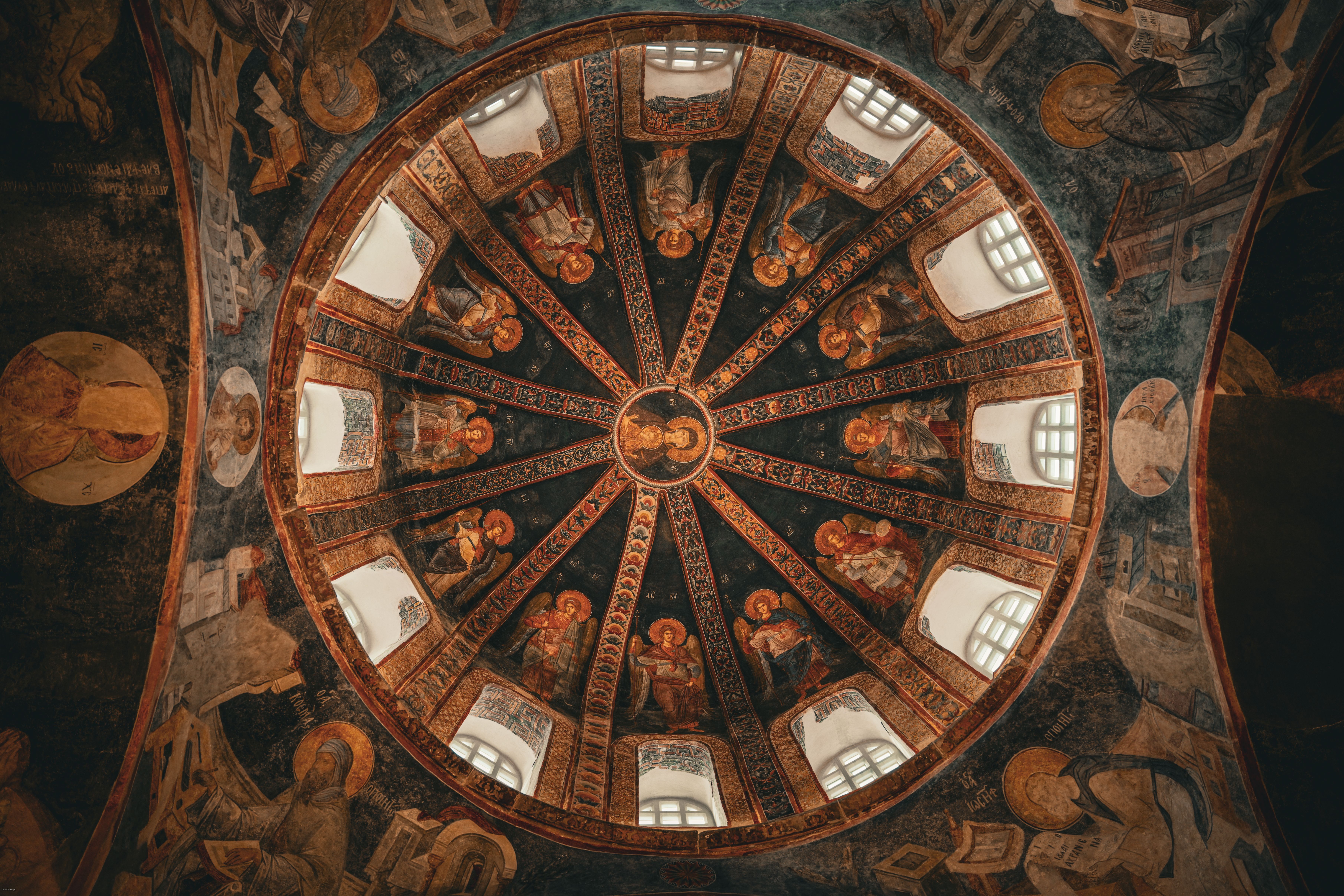
Constantinople also weathered sieges by Bulgarian armies, Rus raids, the prolonged turmoil of the Iconoclast controversy and constant political instability within the palace. Despite these challenges, the city maintained its status as the largest urban centre in medieval Western Europe and the spiritual heart of Eastern Christianity.
However, the most devastating blow to Constantinople came not from its traditional adversaries but from the West.
The Fourth Crusade, initially intended to combat in the Holy Land, was diverted towards Constantinople.
Venetian commercial interests, political manoeuvring and military opportunism combined to bring about the fall of Constantinople. On April 13, 1204, after nearly nine centuries of resistance, the city was sacked by Christian forces. Churches were plundered and Hagia Sophia looted, leading to the establishment of a Latin Empire within its walls.
Byzantine forces under Michael VIII Palaiologos eventually recaptured Constantinople in 1261. However, the city they restored was diminished. It was depopulated, economically weakened and its accumulated cultural wealth largely lost. The empire endured for nearly two more centuries before contracting to little more than the city itself and a handful of coastal positions.
The Theodosian Walls remained standing and Hagia Sophia continued to rise above the Golden Horn. However, the city behind those walls was, in any honest assessment, unsustainable.
May 29, 1453 marked the end of eleven hundred years. Mehmed II ascended to the Ottoman throne in 1451 at the age of approximately 19. Within two years, he had meticulously organised one of the most well-prepared military campaigns of the medieval period. His objective was Constantinople, and he approached it with systematic intelligence rather than raw aggression.
Among his most significant preparations was the commissioning of large-scale cannons. The largest, reportedly designed by a Hungarian cannon-founder named Orban, was capable of hurling heavy stone balls against the Theodosian Walls.
Gunpowder artillery revolutionised siege warfare in the 15th century, and Mehmed grasped this earlier and more clearly than most contemporaries. Historians debate the exact size of his forces, with modern estimates placing the Ottoman army between 60,000 and 80,000 men.
The Byzantine Emperor Constantine XI Palaiologos led the defence with a force estimated at between 7,000 and 10,000 fighters, including Venetian and Genoese volunteers. Western Europe expressed concern over military relief but no army arrived.
The siege commenced in early April 1453.
On May 29th, Ottoman forces breached the Theodosian Walls at the Blachernae section in the northwest – historically the most vulnerable part of the land wall system. Constantine XI died fighting, a fact agreed upon by historians. However, the exact circumstances of his death and the location of his remains remain unconfirmed, and there’s no justification for speculation.
Mehmed II entered the city on horseback and rode to Hagia Sophia, ordering its conversion into a mosque. This transformation was accomplished without damaging the structure built in 537 CE.
He was just 21 years old
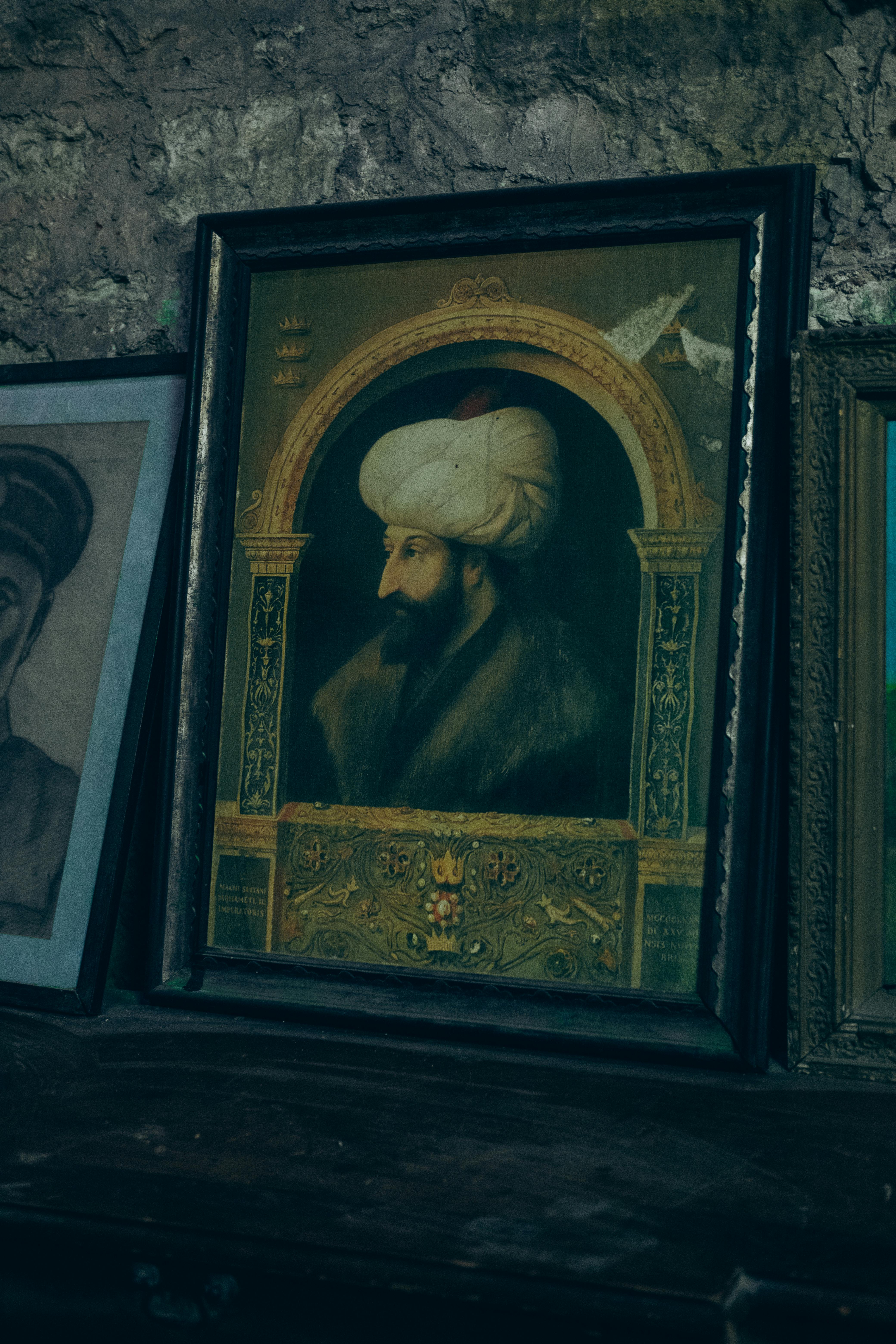
The fall of Constantinople sent shockwaves through Europe. Scholars fleeing with Greek manuscripts contributed to the intellectual currents associated with the Renaissance. Many historians mark 1453 as the end of the Middle Ages.
The medieval period, while historical change doesn’t adhere strictly to calendar boundaries, marked a significant turning point. Whatever date you choose, the events that unfolded were real.
Mehmed II wasn’t interested in overseeing the ruins of a former empire. He desired a thriving capital and swiftly set about building one.
The Ottomans had long referred to Constantinople as Istanbul, a name most scholars trace to a Greek phrase meaning “to the city” or “in the city”. However linguists have refined this etymology over time. Mehmed actively repopulated the city by bringing communities from across Anatolia. He offered protection and freedom of religious practice to Jewish communities and extended guarantees of safety to the Greek and Armenian populations who chose to remain. This was a deliberate policy, as a capital requires people.
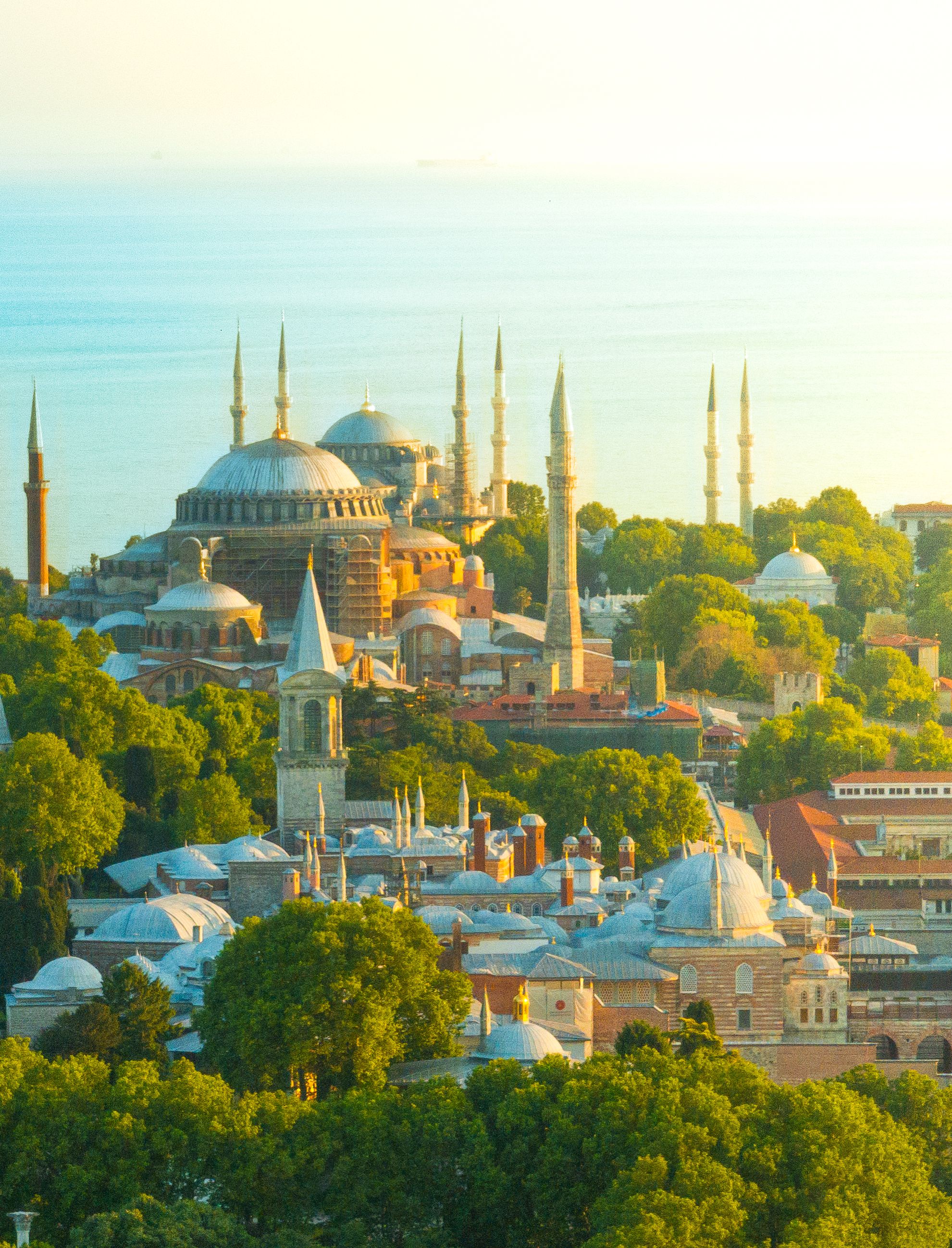
Construction of Topkapi Palace began in the early 1460s on the city’s first hill, commanding views of the Bosphorus, the Golden Horn and the Sea of Marmara. When I take groups there, I pause at these overlooks and encourage them to consider the significance of governing from such a vantage point. Every ship entering or leaving the Black Sea was visible from their windows, and every arrival to the city was announced by the water. This wasn’t accidental; it was architecture serving as a political statement.
Sultan Süleyman I, known as Suleiman the Magnificent in the West and Kanuni, the Lawgiver in Ottoman tradition, reigned from 1520 to 1566. His empire stretched from Vienna to the Persian Gulf and across much of North Africa.
To solidify his power, Süleyman enlisted the services of Mimar Sinan, one of history’s most gifted architects. While his exact birth year remains uncertain, likely between the late 1480s and early 1490s, his impressive output is undeniable. As chief imperial architect, he designed or oversaw over 300 structures across the empire.
His most renowned Istanbul creation is the Süleymaniye Mosque complex, commissioned around 1550 and completed in 1557. When visiting groups, I emphasise the importance of exploring the entire complex, including the theological school, hospital, caravanserai and mausoleum, not just the mosque itself. Many visitors rush straight to the prayer hall, missing the broader significance. This was not merely a place of worship; it was a comprehensive social and institutional statement embodied in stone, lead-sheathed domes and meticulously designed courtyards. Sinan himself reportedly considered his greatest achievement to be the Selimiye Mosque in Edirne, built in the 1570s. I highly recommend it to any serious visitor seeking a destination beyond Istanbul.
The Grand Bazaar, or Kapalıçarşı in Turkish, evolved over the 15th and 16th centuries into one of the world’s largest covered commercial spaces. When guiding groups through it, I draw attention away from the entrance crowds and reiterate its true purpose: commerce. These shops have been trading continuously for over five centuries. Some of the han structures integrated into the bazaar complex in the 15th century are still in use today, showcasing the enduring continuity of this vibrant marketplace. Unlike many tourist attractions, it remains a functional hub, preserving its historical essence.
Istanbul’s unique blend of cultures and architectural vibrancy sets it apart from almost every other historic city worldwide.
Throughout the 19th century, the Ottoman Empire faced simultaneous pressures from military setbacks, economic disruption due to Atlantic trade routes bypassing its territories and internal strains from European nationalism. This led European observers to coin the term “the sick man of Europe,” a somewhat reductive yet accurate description.
Despite these challenges, Istanbul remained a cosmopolitan and architecturally dynamic city. This aspect often gets overshadowed by the empire’s difficulties. The Tanzimat reforms, initiated by the 1839 Gulhane Imperial Edict, introduced significant legal changes, including provisions for greater equality between Muslim and non-Muslim subjects. New neighbourhoods emerged across what is now Beyoglu, influenced by Western architectural styles and the enduring presence of large Greek, Armenian, Jewish and Levantine communities that had been integral to Istanbul’s social fabric for generations.
The opening of Sirkeci Station in 1890 as the European terminus of the Orient Express transformed Istanbul into a destination for a generation of European writers and travellers. It became the furthest eastern point accessible by the continental railway network, significantly shaping the city’s place in European imagination.
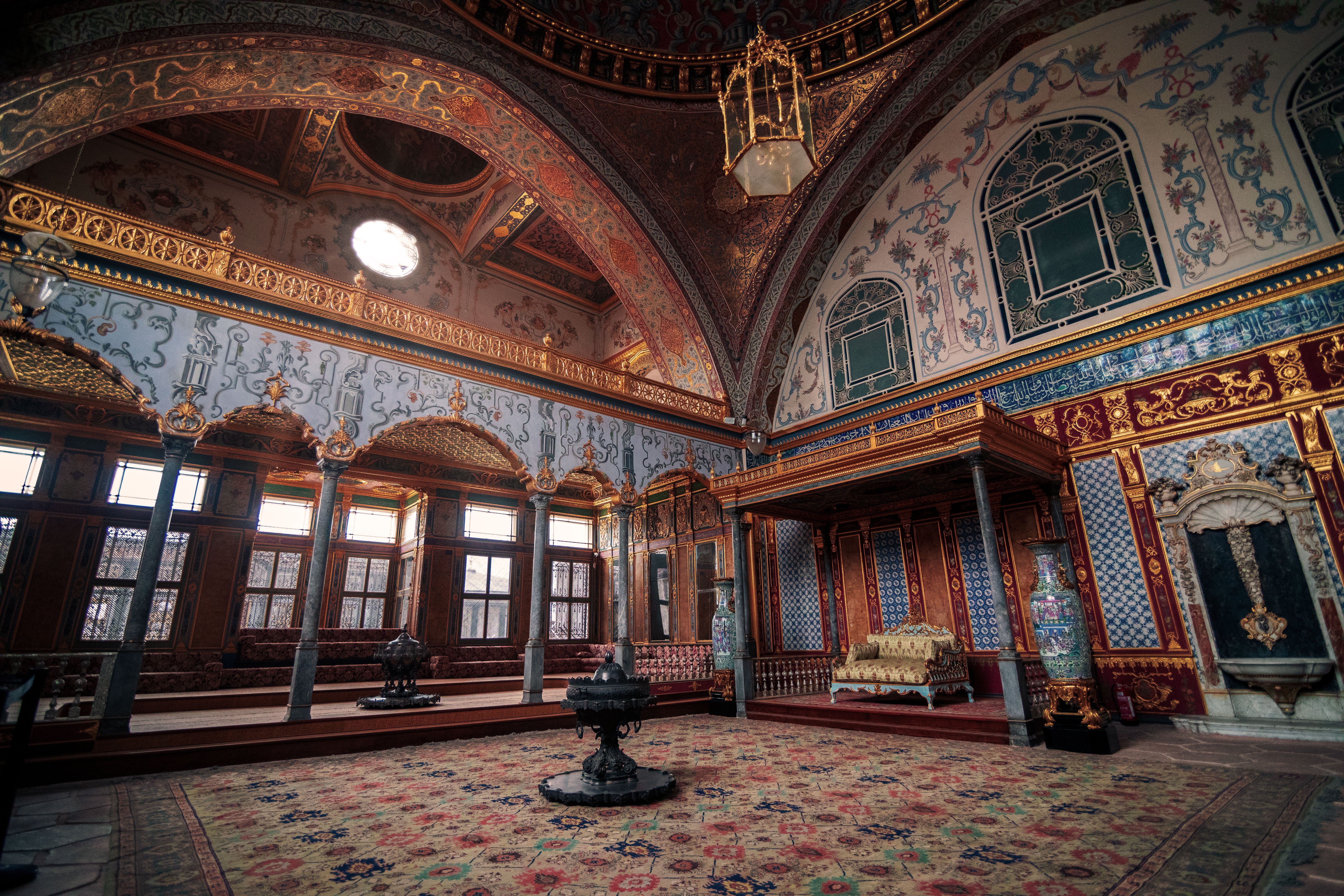
The early 20th century abruptly ended that era. The Ottoman Empire joined the Central Powers in World War I in 1914, suffering devastating losses across multiple fronts. By 1918, it was under Allied military occupation, with troops stationed in Istanbul from November of that year.
Between 1919 and 1922, Mustafa Kemal Atatürk led the Turkish War of Independence from Anatolia. This culminated in the establishment of the Republic of Turkey in 1923 and the Treaty of Lausanne, which defined its borders. The new Republic moved its capital to Ankara on October 13, 1923, a deliberate choice to anchor the state in the Anatolian interior, distancing it from a city steeped in imperial history.
Despite this, Istanbul remained Turkey’s largest city, its financial powerhouse and cultural and intellectual hub. No longer the political capital, its name was officially standardised internationally in 1930 as part of the Republic’s broader effort to regularise geographic place names. This formalised a name that residents had used informally for centuries.
Modern Istanbul
People often ask me if Istanbul lives up to its reputation – whether, after all the reading and anticipation, the actual city delivers.
My answer is straightforward: Istanbul is simply what it is, and what it is happens to be extraordinary. As you walk through it, you know.
You’re traversing one of Earth’s most historically significant sites while the city hums with daily life around you.
Hagia Sophia, completed in 537 CE, still dominates the skyline. The Theodosian Walls, begun in 412 CE, endure in substantial stretches along the old city’s western edge, their stones weathered and cracked by fifteen centuries of weather, repairs and human activity. The ancient Hippodrome’s spine runs through Sultanahmet Square, its obelisks standing where Constantine originally placed them.
In 1985, Istanbul’s Historic Areas were inscribed on the UNESCO World Heritage List, recognising an extraordinary concentration of monuments spanning the Byzantine and Ottoman periods and their earlier archaeological roots. These four zones include the Sultanahmet Archaeological Park, the Suleymaniye district, the Zeyrek area featuring the Byzantine Church of the Pantocrator and the Theodosian land wall corridor.
In July 2020, the Turkish government reconverted Hagia Sophia from its museum status, established in 1934 under a Republic-era decree, back into a functioning mosque. This decision sparked significant international discussion among governments religious bodies and heritage organisations. As a guide, I don’t take a personal stance on this matter. However, I do say this: the reconversion serves as a reminder that Istanbul is not a city frozen in time. It’s a living city where history is continually being shaped, contested and reinterpreted by its inhabitants. This has always been true here.
Today, Istanbul’s population is approximately 15 to 16 million, making it one of Europe’s largest and the world’s most populous metropolitan areas. It’s Turkey’s financial capital, a hub for media, publishing, fashion and the arts, a major international aviation centre and one of the world’s most visited cities.
The Bosphorus now boasts three suspension bridges and the Marmaray.
The underwater rail tunnel, which opened in 2013, hasn’t altered the Strait of Bosporus. It remains roughly 31 kilometres long and no wider than about 3.5 kilometres at its narrowest point. It’s still the sole connection between the Black Sea and the Mediterranean. The geography that justified founding Byzantium here in 657 BCE is the same that makes Istanbul strategically and economically significant today.
Ready to Explore Istanbul ?
Istanbul rewards travellers who slow down. The city is not only the Hagia Sophia, not only Blue Mosque, and not only a base for Bopshorus. It is also old Balat, Pera, the Galata, Ortakoy, Ottoman port life, Republican memory, ferries, food, and the traditions.
Before booking any tour, check three things: where it starts, what is actually included, and how much time you get at the main site. A cheap tour that rushes the important part is not good value. Do not put historical peninsula and modern site of Beyoglu, Galata in the same day unless you only want to collect names. Each one deserves its own day.
If this is your first time visiting Istanbul, book a licensed guide for a walking tour for your first day. It will help you understand the city’s layout, avoid wasted time.
In July and August, do not plan outdoor walking tours during the middle of the day. Visit sites early, then use the hottest hours for lunch, indoor museums, ferries, or a break by the coast.
Day Trips from Istanbul— Legendary Troy, Gallipoli Peninsula, Bursa, Bolu
Izmir day trips are a major part of why people visit the city. Ephesus is the obvious one and deserves a full day. Pergamon is excellent for dramatic ancient landscapes, hilltop views, the Asklepion, and Hellenistic history. Cesme and Alacati are better for sea, food, stone streets, and summer energy. Urla works well for vineyards, seafood, art spaces, and slower coastal villages.
Cruise Visitors and Shore Excursion Timing
For cruise visitors, timing is essential. If you arrive through cruise and want to visit highlights of Istanbul, use a shore excursion or private guide who understands port timing. The site is too large to treat casually when a ship departure is involved.
Why Licensing Matters at Archaeological Sites
Ask whether the guide is licensed. In Turkey, choosing a licensed tour guide in Istanbul is not only about quality — it is about legality. A licensed guide is trained and authorised to work at historical and archaeological sites. This matters especially at places such as old town, modern town, and museum-connected routes.
Bursa or Bolu — Stay There Separately
For Bolu and Bursa, stay there separately if you don’t want to spend longs hours in traffic with late arrivals back to Istanbul. Do not try to turn every city break day into a return trip from central Istanbul unless you are comfortable with traffic and travel time.
Is Istanbul Safe for Travellers?
Istanbul is generally comfortable for travellers, especially in central areas such as old town, modern town, Galata, Kadikoy, and the main transport zones. It is still a large city, so basic awareness matters.
Crowds, Pickpockets, and Busy Areas
Watch your belongings in crowded places. Taksim, Sultanahmet Square, busy ferry terminals, tram stops, and markets can get dense. Keep your phone and wallet secure, especially when putting your phone on your back pocket or moving through narrow bazaar lanes.
In crowded sites, keep your bag close. The bazaars are busy, not frightening. Move calmly, step aside when delivery carts pass, and let the market rhythm carry you.
Getting Around Safely — Ride Apps vs Street Taxis
For app-based rides, use BiTaksi or Uber in Istanbul instead of trying to negotiate rides on the street. Uber lists taxi rides in Istanbul through the app, and BiTaksi works as a local taxi-calling platform. For visitors, this is usually easier because the route, driver details, and payment options are handled inside the app.
For places that are awkward by public transport, use BiTaksi or Uber. They are especially useful for late-night returns, luggage days, airport connections, and routes where tram, ferry, or rail would take too long.
Traffic and Pedestrian Safety
Traffic needs attention. Turkish drivers can be impatient (they honk a lot), and scooters or motorcycles sometimes appear quickly near busy streets. Use crossings and do not assume every vehicle will slow down immediately.
Outdoor Sites — Hills, Footwear and Heat
In summer, heat is the main safety issue. Carry water, wear a hat, use sunscreen, and plan shade breaks. Sultanahmet and Taksim can be especially tiring because large parts of the route are hilly and exposed to sun.
Respecting Religious and Heritage Spaces
At night, stay in active and well-lit areas if you are unfamiliar with the city. In quiet commercial districts after closing time, use BiTaksi or Uber instead of wandering through empty streets.
Respect religious and heritage places. Around mosques, synagogues, hans, and residential streets, move calmly and dress respectfully when entering active places of worship. Keep in mind that some buildings are private, restricted, or open only with permission.
Where to Stay in Istanbul ?
- Luxury Hotels list in Istanbul (City Center)
- 5 Star – Best Hotels in Istanbul (City Center)
- 5 Star – Best Hotels in Taksim, Galata, Karakoy
- 4, 3 Star Mid-range hotels list in Istanbul (City Center)
- Budget hotels list in Istanbul (City Center)
How Do You Get Around Istanbul?
Getting around Istanbul is straightforward once you know which option suits each journey. The city is big, so distance matters more than it looks on a map.
Airport to City Centre
The easiest airport connection for many independent travellers is Metro(U) from Istanbul Airport. Follow the airport signs for the underground rail station. From there, you can reach central districts such as Kagithane, Gayrettepe, with one transfer at Gayrettepe(Final station) you can simply reach one of the most functional metro lines of Istanbul.
Use public transport for the airport and central areas, ferries for the bay experience, and BiTaksi or Uber for late evenings, or luggage days. Save car rental for day trips outside the centre.
Car Rental
A car is not necessary in central Istanbul. It becomes useful for Bolu, Bursa, Trace vineyards, Uludag, Troy, Gallipoli, and smaller coastal or inland routes. For the old town Sultanahmet square and Taksim, driving is usually more stress than benefit.


Timing — Avoid Peak Summer Where Possible
Travel outside peak summer if you can. Accommodation in central Istanbul is often better value in spring, autumn, and winter.
Tours — Choose One Good Experience Over Several Weak Ones
Group day trips carefully. Bursa deserves its own day, and Bolu deserves its own day. Trying to squeeze too much into one private transfer can make the day expensive and tiring without making it better.
If your budget allows only one paid experience, make it a strong guided walk in central Istanbul or a proper old town day trip. Those are the places where context changes the whole visit.
Related Blogs on Istanbul
Want more tips for your trip? Check out all the articles I’ve written on Istanbul travel and continue planning your trip:

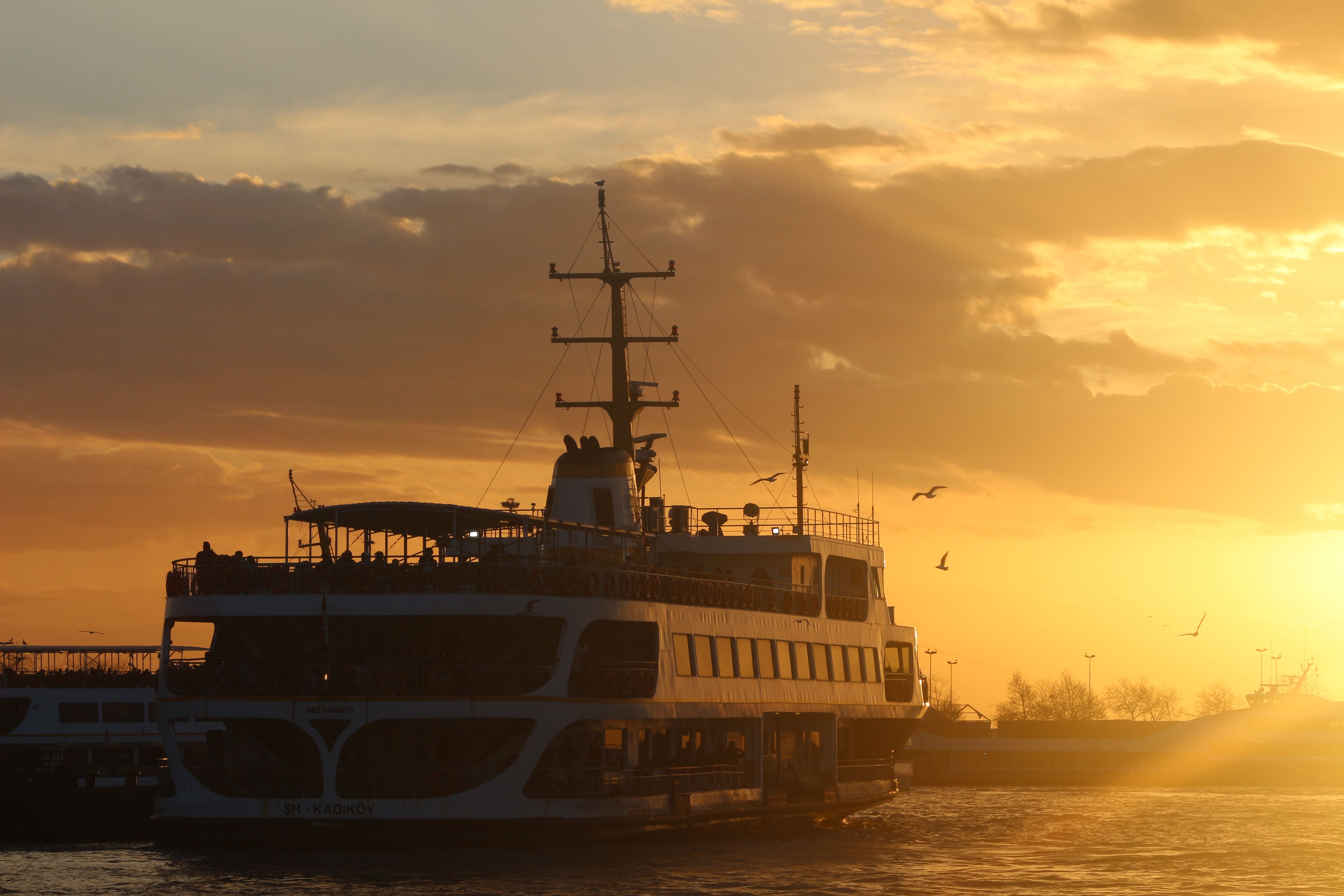
Bosphorus Cruises, Dinner Cruises and Private Yacht
Travel Guide: The Best Booking Resources
Below are my favorite companies to use when I travel. They are always my starting point when I need to book a flight, hotel, tour, car rental, or travel insurance.
- Booking.com – A reliable all-around booking site with a wide selection of hotels, guesthouses, and budget accommodation.
- Expedia – A useful platform for comparing hotels, flights, packages, and travel deals.
- Viator & Tripadvisor – Great for finding tours, activities, day trips, and local experiences.
- GetYourGuide – A large marketplace for tours, excursions, guided walks, food experiences, and activities.
- Airbnb – A good option for apartments, unique stays, and longer-term accommodation.
- Skyscanner – My favorite flight search engine. It searches budget airlines and smaller sites that larger platforms often miss.
- SafetyWing – Affordable travel medical insurance for digital nomads, long-term travelers, and people on the road.
- Discover Cars – A car rental comparison site that helps you find rental deals for road trips and airport pickups.