
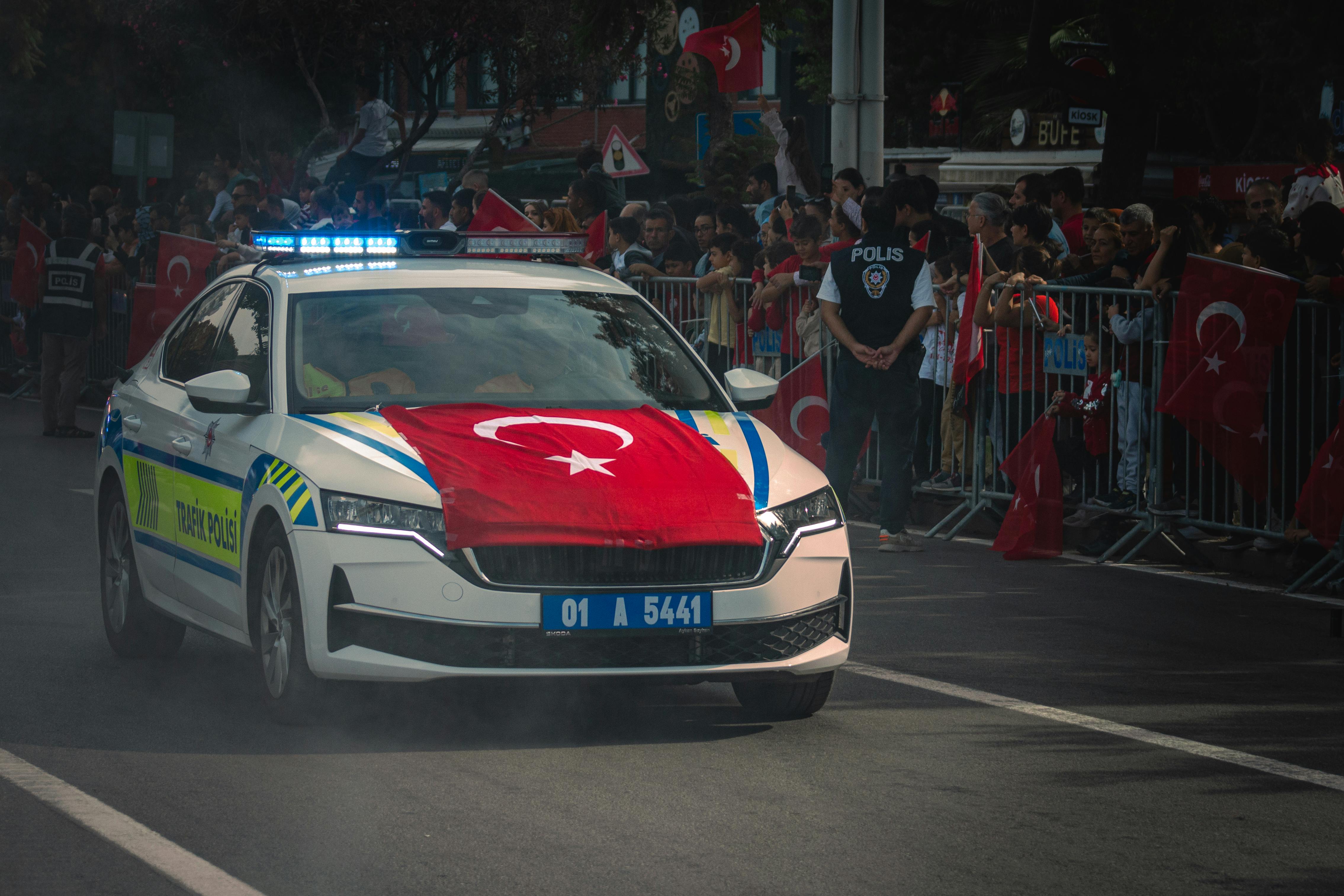
Turkey is generally a safe country to visit, but as with any destination, it is important to take precautions to protect your safety and well-being.
Is Turkey safe? — the question itself isn’t wrong. It’s actually smart. But the answer you’ll find on most travel forums is either so alarmist it’ll make you cancel your flight, or so breezy it’ll leave you completely unprepared. Neither is useful.
I’ve walked solo women through the backstreets of Istanbul at midnight. I’ve guided families across southeastern Turkiye during regional tensions. I’ve done all this for over a decade. So let me give you the accurate version. That’s why this guide exists: to replace fear-based headlines with actual, ground-level information so you can make a real decision.
Table of Contents
Some specific safety concerns in Turkey include:
Is Turkey Safe Right Now?
The Short Answer
Yes — for the vast majority of destinations within Turkiye, it is safe to travel. Tens of millions of tourists visited in 2026 already. The country welcomed over 62 million foreign visitors last year, making it one of the world’s top five most-visited destinations. That number does not happen by accident.
What the Travel Advisories Say
The UK Foreign Office, US State Department, and Australian DFAT all give Türkiye a “exercise normal safety precautions” rating for major tourist areas. They flag specific zones — I’ll get to those — but the blanket “do not travel to Turkey” framing you might have seen on social media is outdated and inaccurate for most of the country.
Read the advisories. Actually read them. They are regional, not national.
Where the Nuance Lives
Turkiye is a large country — about the size of Texas and California combined. Treating it as one uniform safety zone is like treating all of the United States as equally safe or dangerous. The risks in Istanbul’s Sultanahmet neighborhood are completely different from those in a town 40 kilometres from the Syrian border. Location matters enormously here.
Istanbul: What’s Safe, What’s Not
The Tourist Districts
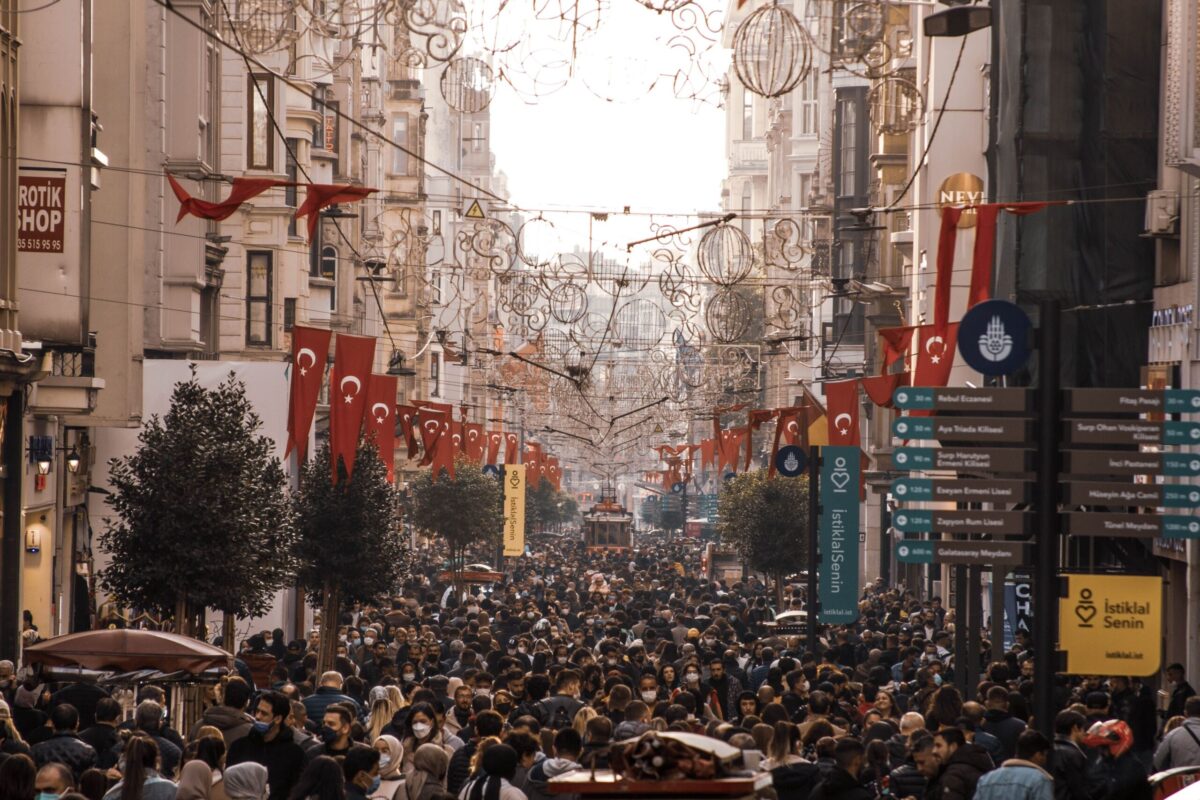
Sultanahmet, Beyoglu, Karakoy, Besiktas, and Kadikoy are busy, well-policed, and safe for tourists day and night. Petty theft exists, as it does in every major European city. Keep your phone in your front pocket. Watch your bag on the tram. Standard city stuff.
The Grand Bazaar area can feel overwhelming, which makes distraction-based theft slightly easier. Stay aware. Don’t flash expensive cameras around obvious crowds.
Areas I’d Personally Avoid at Night
Tarlabasi, parts of Aksaray, and Dolapdere are rougher neighborhoods that most tourists have no reason to visit. Not catastrophically dangerous, but poorly lit, poorly patrolled, and zero tourist infrastructure. Skip them.
Cappadocia, Ephesus, and the Aegean Coast
Cappadocia
Goreme, Uchisar, and Uchisar are exceptionally safe. Crime is low. The local economy depends entirely on tourism, so residents are deeply invested in making visitors feel welcome. The only real danger in Cappadocia? The hot air balloons. Not in a dramatic way — but balloon accidents have occurred, and operators vary wildly in safety standards. Book only with licensed operators who carry SHGM (Turkish Civil Aviation Authority) certification. Do not book the cheapest balloon ride. That is my strongest practical safety warning for this region.
Ephesus and the Aegean Coast
Kusadasi, Selcuk, Bodrum, Fethiye, Izmir — all very safe tourist environments. Bodrum and Fethiye in particular have huge British and European expat communities, which means the tourist infrastructure is mature and well-regulated. I find Bodrum slightly overrated for what it charges in peak summer, but I cannot call it unsafe.
The Turquoise Coast
The gulet routes along the coast from Fethiye to Antalya are phenomenal and completely safe. Water safety is actually my bigger concern here — the sea is seductive and currents can be deceptive. Swim near flags, not away from them.
Eastern and Southeastern Turkiye
The Regions That Require More Research
This is where I’ll be direct with you. The provinces bordering Syria — Hatay, Gaziantep near the border, Sanliurfa, and some parts of Sirnak — carry elevated risk. The US State Department specifically recommends “reconsider travel” for parts of southeastern Turkiye near the Syrian and Iraqi borders.
Cities like Gaziantep (which is genuinely one of the world’s great food cities and sits safely within the city center), Mardin, and even Diyarbakir receive tourists regularly and are broadly safe within the city proper. The risk concentrates near the border, not in the city centres.
What I Personally Do
I have guided groups to Gaziantep and Mardin multiple times. I always check the advisory update date — anything older than 3 months is stale. I never drive rural border roads. I tell clients the truth upfront rather than downplaying it.
Mount Ararat and Dogubayazit
This area near the Iranian border is popular with trekkers. You’ll need a special trekking permit for Ararat (Agri Dagi) and should always hire a licensed local guide. Permits are obtained through licensed tour agencies — do not attempt to climb independently.
The Earthquake Factor
This one is real and underreported in travel content. Istanbul sits on the North Anatolian Fault. A major earthquake is not a matter of “if” but “when.” Major hotels and tourist infrastructure in the city are built to modern seismic standards. If you’re booking accommodation, choose newer buildings or properties that explicitly list earthquake compliance. I recommend avoiding very old, unrenovated structures in the historic Fatih district.
Solo Female Travel in Turkiye
The Reality, Not the Stereotype
Solo women travel through Turkiye every day without incident. Istanbul, Cappadocia, the entire Aegean and Mediterranean coast — completely manageable. I am a woman. I have worked here for over a decade. I do not walk around afraid.
What I do is adapt. Because some harassment does exist, particularly in less touristy areas, and pretending otherwise would be dishonest.
Read the article about solo female travelling in Turkey…
What Actually Helps
Dressing modestly when visiting mosques is religious respect, not a safety requirement for the street. In major cities, nobody is policing your outfit. In very conservative rural areas, covering shoulders and knees reduces unsolicited attention — consider it more like practical, not really mandatory.
Having the local emergency number saved (122 for police and ambulance) matters more than what you’re wearing.
Book your first night’s accommodation in advance and arrange airport pickup. Landing somewhere new without a plan is where solo travelers, men and women, run into the most trouble.
What’s Overrated as a Safety Concern
The “Turkish men will bother you constantly” warning is dramatically overstated for urban areas. Most people leave you alone. The carpet shop invitation is annoying, not dangerous. A firm “No, thank you.” ends 95% of interactions. And never mind the suggestions of many blogs for: ”Im traveling with my husband” or ”I’m actually married.” answers. Nobody will care about your thousands of miles away husband. Just: “No, thank you.” is enough.
Israel-Iran conflict effect on Turkey
Turkey isn’t inside the conflict zone, and main tourist areas like Istanbul, Antalya, Cappadocia, Bodrum, and Izmir are operating normally. The main possible effect is regional air travel disruption, such as flight delays, cancellations, or airspace changes, so travelers should check airline updates before flying. Canada also warns that Middle East hostilities could affect air traffic in the region.
Terrorism: Is Turkey safe on terrorism aspect? Turkey has suffered from terrorism in the past, and there is a risk of terrorist attacks in the country. While the overall risk is low, it is important to be aware of your surroundings and to follow the advice of local authorities.
Crime: Turkey has a relatively low crime rate, but petty crime such as pickpocketing and bag snatching does occur, particularly in crowded areas. It is important to be vigilant and take steps to protect your valuables.
Political unrest: Turkey has a complex political situation and there have been periods of unrest and demonstrations in the past. It is important to stay informed about the current political climate and to avoid areas where demonstrations are taking place.
LGBT+ safety in Turkey
Is Turkey safe for lgbtq+ travelers? Same-sex relationship isn’t illegal in Turkey, but I recommend travelers (not only LGBT+ in fact all travellers) use discretion, especially with public displays of affection (public displays of affection isn’t really common in Turkish society). Istanbul areas like Beyoglu and Kadikoy are generally more open-minded than smaller towns, but legal protections and social acceptance are limited. For a smoother trip, better choose central neighborhoods, LGBT-aware hotels, and avoid political demonstrations or confrontations.
LGBT Rights in Turkey: What Travellers Should Know Before Going Turkey
Common Scams (and How to Avoid Them)
The Shoe Shine Drop
A shoe shiner “accidentally” drops his brush near you. When you pick it up and hand it back, he insists on shining your shoes as thanks, then demands payment. Walk on. Don’t pick up the brush.
The Friendly Local Who Wants to Show You a Bar
An overly enthusiastic new friend steers you to a bar where drinks are obscenely priced and you’re expected to pay for the “local” too. Especially common in Beyoglu, Taksim late at night. Go to bars you found yourself.
Read the article about Turkey travel scams here…
Taxi Scams
At Istanbul tourist hubs, unlicensed taxis still operate. Use the Uber or Bitaksi official taxi apps, the Uber app (fully legal in Turkiye), or the yellow BiTaksi cabs with the working meter. If the driver says “meter is broken,” get out. Always get out.
Health and Medical Safety
Medical Infrastructure
Istanbul has world-class private hospitals. Acibadem and Memorial hospital groups are genuinely excellent — internationally accredited, English-speaking staff, clean facilities. Private care in Turkiye is significantly cheaper than in the US or UK for equivalent quality. I’d go to an Acibadem hospital without hesitation.
Rural areas are a different story. Public hospitals in small towns can have long waits and limited English. This is where travel insurance becomes non-negotiable.
Food and Water
Tap water in Turkiye is technically treated but not consistently safe to drink throughout the country. Drink bottled water. Use it to brush your teeth if you’re sensitive. Restaurant food prepared by reputable establishments is safe — I eat street food constantly and I’m fine, but start slowly if your stomach is not used to new cuisines.
No Vaccinations Required
There are no required vaccinations for entry into Turkiye for most nationalities. Routine vaccines (hepatitis A, typhoid) are recommended by most travel medicine clinics if you’re heading to rural areas. Check with your own doctor 4–6 weeks before travel.
Travel Insurance and Practical Safety Tips
Travel Insurance Is Not Optional Here
You got to get it. Seriously! Medical evacuation from Turkiye to your home country — if ever needed — can cost tens of thousands of dollars.
The Practical List
Register your trip with your country’s embassy before you go. The US has the STEP program; the UK has the FCDO travel registration. Takes 10 minutes and means someone official knows where you are if something goes sideways.
Save these numbers before you land: 112 (police, ambulance/emergency), and your hotel’s direct line. Screenshot your accommodation addresses in Turkish — not every taxi driver reads English maps.
Keep digital copies of your passport, travel insurance, and accommodation bookings in your email drafts. If your bag is stolen, you’ll be enormously grateful you did this.
Currency and ATMs
Use ATMs of major banks (Garanti, Is Bankasi, Akbank, Yapi Kredi, etc). Dynamic currency conversion at ATMs will rob you quietly — always choose to be charged in Turkish lira, not your home currency.
Overall, Turkey is a safe country to visit, but it is important to take standard safety precautions and to be aware of your surroundings. If you have any specific concerns or questions, it is a good idea to consult with your government’s foreign affairs department or a reputable travel agency before your trip.
Ready to Explore Turkey?
If you’ve read this far, you’re already a smarter traveler than most people who land without a plan. Turkiye is a place I’ve dedicated my career to — and I genuinely believe it rewards people who come prepared.
If you want a private guide for Istanbul, Cappadocia, Ephesus, or the Turkish coast, I’d love to help you build an itinerary that’s not just safe but genuinely memorable. Drop me a message through the contact page and let’s talk about what kind of trip you actually want.
Related Posts
Travel Guide: The Best Booking Resources
Below are my favorite companies to use when I travel. They are always my starting point when I need to book a flight, hotel, tour, car rental, or travel insurance.
- Booking.com – A reliable all-around booking site with a wide selection of hotels, guesthouses, and budget accommodation.
- Expedia – A useful platform for comparing hotels, flights, packages, and travel deals.
- Viator & Tripadvisor – Great for finding tours, activities, day trips, and local experiences.
- GetYourGuide – A large marketplace for tours, excursions, guided walks, food experiences, and activities.
- Airbnb – A good option for apartments, unique stays, and longer-term accommodation.
- Skyscanner – My favorite flight search engine. It searches budget airlines and smaller sites that larger platforms often miss.
- SafetyWing – Affordable travel medical insurance for digital nomads, long-term travelers, and people on the road.
- Discover Cars – A car rental comparison site that helps you find rental deals for road trips and airport pickups.