
ANTALYA TRAVEL GUIDE
I have been guiding in Antalya for years and I still find things I cannot fully explain. That is not a marketing line. It is genuinely the nature of a city this old. You think you have read everything about Kaleici and then you stumble on a Byzantine cistern converted into a restaurant basement on Hesapci Sokak that does not appear in any guidebook I have seen. The owner will tell you the ceiling is 4th century if you ask. I cannot confirm the exact date, but the stonework is consistent with the claim.
That is Antalya history in a nutshell. Layered, occasionally bewildering, and far older than any resort brochure will ever suggest.
Table of Contents
Antalya Activities
Things to See and Do in Antalya
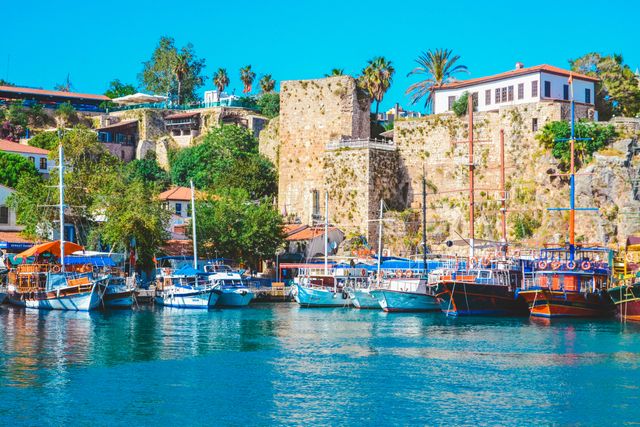
ANTALYA CITY CENRE ACTIVITIES, WHAT TO SEE
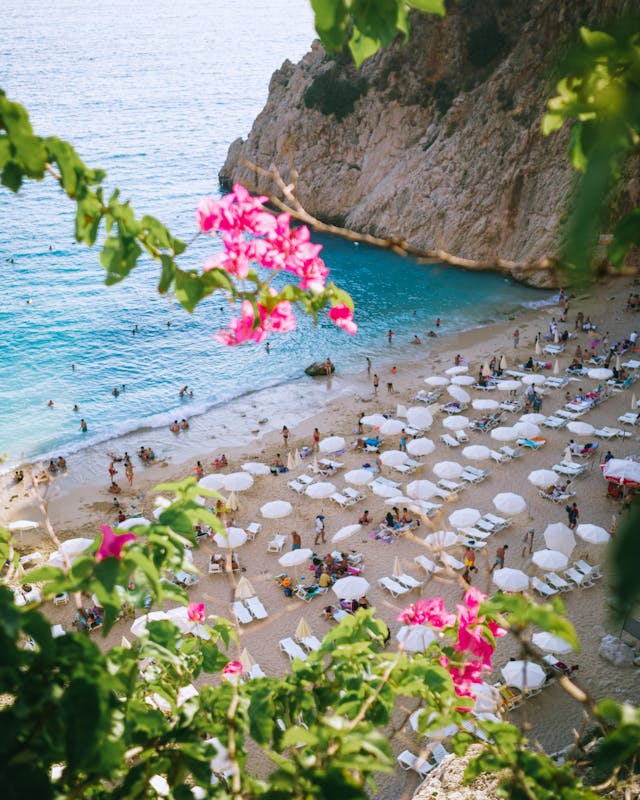
ANTALYA BEACHES: KONYAALTI, KAPUTAS, ALANYA, BELEK, LARA
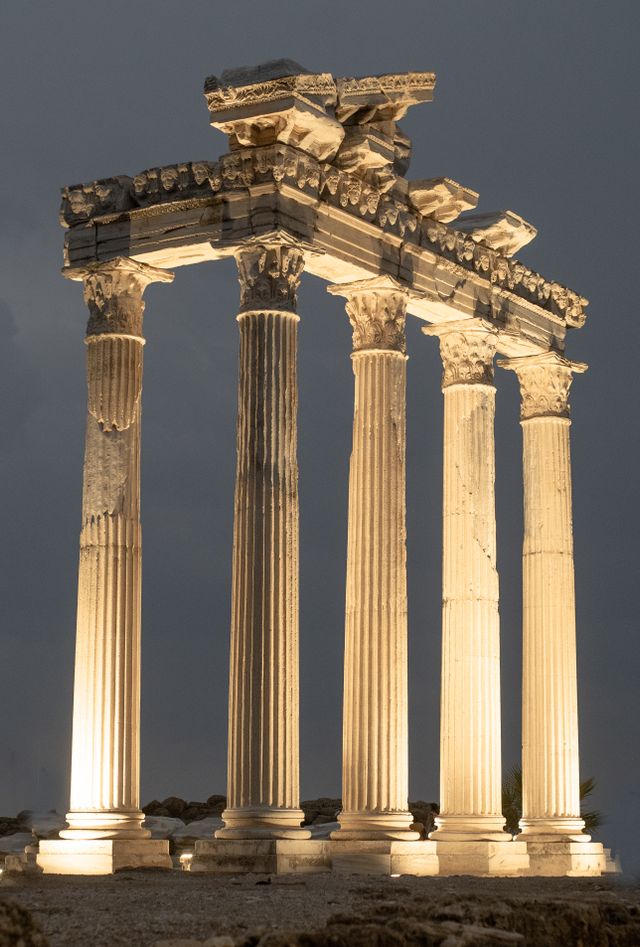
HISTORICAL SITES: SIDE, ASPENDOS, OLIMPOS, PERGE, TERMESSOS, PHASELIS, KEKOVA
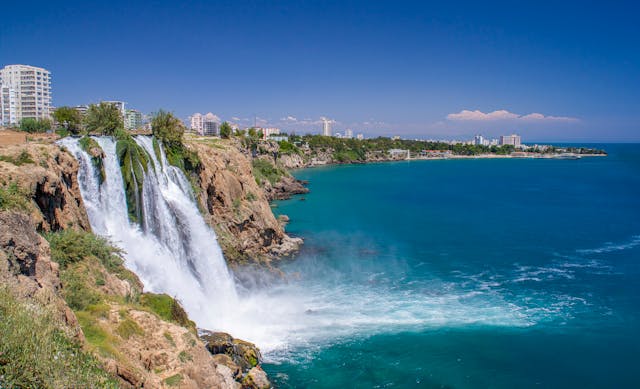
WATERFALLS: DUDEN, KURSUNLU, MANAVGAT FALLS, KOPRULU CANYON
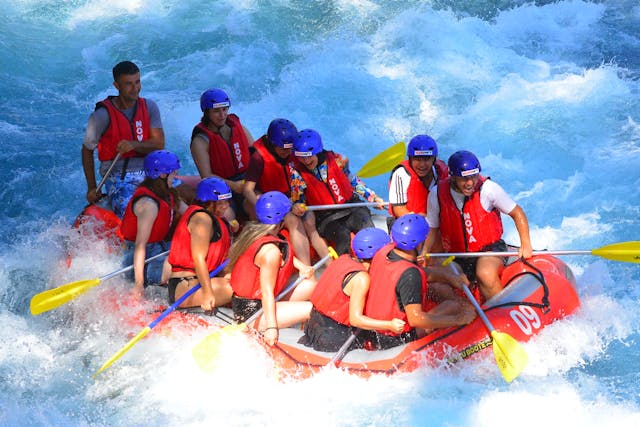
ADVENTURE SPORTS: RAFTING, CANYONING, JEEP, QUAD, BUGGY, ETC

WATER SPORTS: PARASILING, SCUBA, SNORKEL, KAYAK, CANOE, WINDSURF
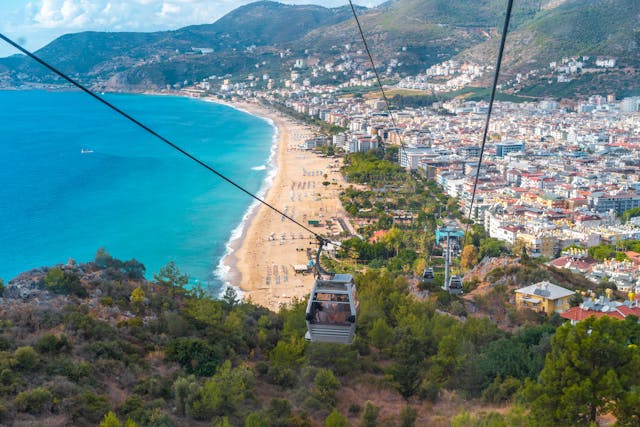
CABLE CARS & MOUNTAINS: TUNEKTEPE HILL, TAHTALI MOUTAIN
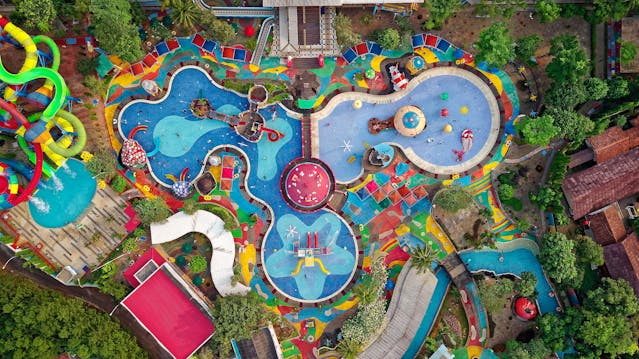
THEME PARKS: LAND OF LEGENS, SANDLAND, WARNER BROS, AQUALAND

SPA & WELLNESS EXPERIENCE
BEST BEACH RESORT HOTELS WITH ALL INCLUSIVE
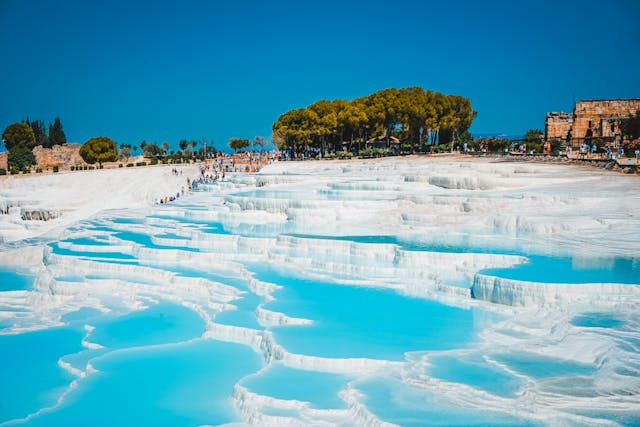
PAMUKKALE & HIERAPOLIS FROM ANTALYA
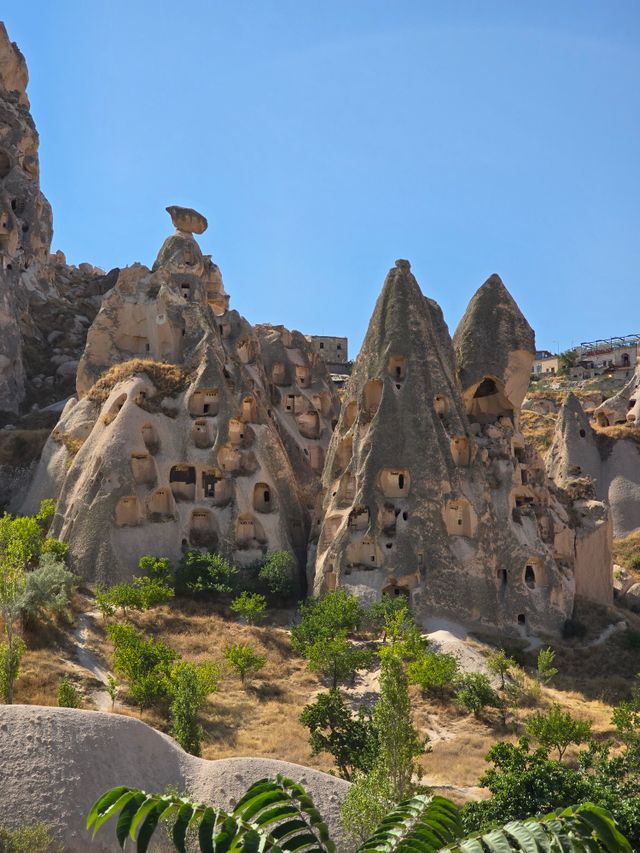
CAPPADOCIA TRIP FROM ANTALYA
History of Antalya
| Period | Approximate Dates |
| Prehistoric Settlement | 150,000 BC+ |
| Attaleia Founded | 2nd century BC |
| Roman Period | 133 BC–395 AD |
| Byzantine Period | 395–1207 |
| Seljuk Period | 1207–1423 |
| Ottoman Period | 1423–1923 |
| Republic of Turkey | 1923–Present |
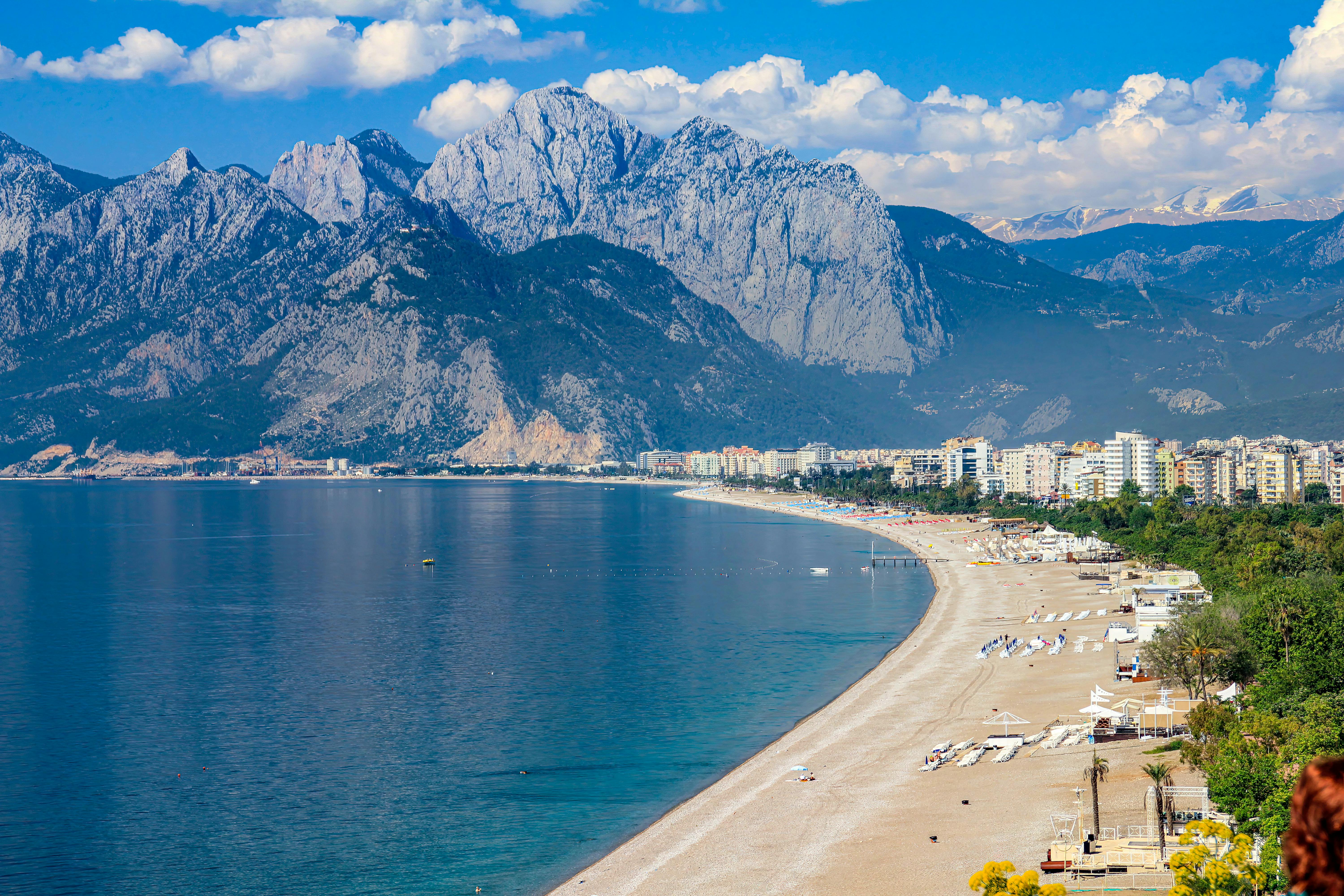
Before Any King Named the City
Most accounts of Antalya history begin with Attalos II of Pergamon in the 2nd century BC. That is where the name comes from, so it is a fair starting point. But it skips roughly 150,000 years of human presence on this coastline, which is a significant omission.
Karain Cave sits about 30 kilometres northwest of the city, in the limestone hills above the Döşemealtı plateau. It is the longest continuously inhabited cave site in Turkey and one of the most important prehistoric sites in the entire eastern Mediterranean. The finds there — stone tools, animal bones, human remains — span from the Lower Palaeolithic through the Bronze Age. That is a range of habitation so long it is difficult to fully process. The Anatolian Homo erectus remains found at Karain represent some of the earliest evidence of human presence in the region.
Why Karain Cave Matters
I have taken guests to Karain Cave around thirty times. The drive alone changes how you see Antalya — the plateau opens up, the resort coast disappears, and you find yourself looking at small farms, limestone ridges, and a landscape that has nothing to do with all-inclusive hotels. Then the cave mouth appears in the cliff face, and it is immediately obvious why people chose to stop here: shelter from the prevailing winds, a nearby spring, and a clear view across the plain that would have given early hunters a real tactical advantage.
The artefacts excavated from Karain are split between the small on-site museum — worth ten minutes of your time — and the Antalya Archaeology Museum in the city, which is currently closed for restoration. When it reopens, the Karain section provides useful context for everything else you see there.
Further evidence of prehistoric settlement comes from the rock shelters at Beldibi and Belbasi, south of the city toward Kemer. Mesolithic and Neolithic occupation. Rock art. Evidence of communities moving from hunter-gatherer patterns into early agriculture. None of this gets much attention in Antalya’s tourism materials because it does not photograph as dramatically as a Roman theatre. That does not make it less important.
The reason all of this ancient activity concentrated here is straightforward: the Antalya basin is one of the most naturally sheltered and agriculturally productive zones on the Turkish Mediterranean coast. The Taurus Mountains block cold northern air. The plain receives enough sun and rainfall to grow almost anything. The sea provides both protein and access to trade routes. People were here because this is genuinely one of the best-situated pieces of land in the region. That geographic logic runs through every period of Antalya history without interruption.
Attaleia — The Hellenistic Foundation
Attalos II Philadelphos, king of Pergamon, founded the city somewhere between 159 and 138 BC. He named it Attaleia after himself, which was standard Hellenistic practice.
What requires more thought is why he chose this specific location among all the harbours on this coastline. The harbour at Antalya is not simply a sheltered beach. It is a natural inlet cut into a low cliff platform, protected from the southwest and northwest by the local topography, deep enough for ancient vessels, and positioned exactly where the road from the Anatolian interior meets the sea. Attaleia was not founded as a cultural capital. It was founded as a port of strategic and commercial utility. That function — the city as gateway between the sea and the interior — defines the history of Antalya for the next two thousand years.
The Pergamon kingdom passed to Rome in 133 BC when Attalos III died without an heir and named Rome as his beneficiary in his will. Attaleia came with it, becoming part of the Roman province of Pamphylia — the fertile coastal plain that also included the major cities of Perge, Aspendos, and Side.
Roman Antalya — The Port That Paul Sailed From
Under Rome, Antalya was not the dominant city in Pamphylia. That was Perge, 18 kilometres to the east — larger, wealthier, and more architecturally ambitious. Roman Antalya mattered primarily for its harbour: military supply, troop movement, commercial passage.
There is one moment in Roman Antalya’s history that I always mention on tours, partly because it is well-documented and partly because very few guides raise it. In approximately 47–48 AD, the apostle Paul and his companion Barnabas sailed from Attaleia at the end of their first missionary journey, returning to Antioch. This is recorded in Acts 14:25-26. Paul had just completed a journey through the Anatolian interior — Pisidian Antioch, Iconium, Lystra, Derbe — and came to the coast through Perge before sailing from Attaleia.
The harbour they sailed from is the same harbour you walk along in Kaleici today. The quay walls have been rebuilt many times, but the location has not moved. I raise this not for religious reasons but for a sense of chronological scale — the harbour in Antalya’s old city was in active use long enough to appear in the New Testament.
Hadrian’s Gate and Roman Antalya
The street grid of modern Kaleici still follows the Roman urban layout. The orientation of the main lanes, the spacing of the blocks, the cliff-top position of what was likely the forum — all of it maps onto the Roman plan. Hadrian’s Gate, built for the emperor’s visit in 130 AD, survives in substantial condition and remains one of the best-preserved Roman triumphal arches in southern Turkey.
The wider region tells the Roman story even more clearly. Perge’s colonnaded main street stretched nearly a kilometre. Its theatre, monumental fountains, and baths were among the most ambitious in Pamphylia. The sculpture that filled its public spaces — imperial statues, gods, civic donors — was excavated in the 20th century and is now in the Antalya Archaeology Museum (currently closed for restoration). That collection is, by any serious measure, one of the finest groups of provincial Roman sculpture anywhere in the world. The Hall of Gods alone, with its near-complete set of Perge imperial statues, would be the centrepiece of a major European museum.
Aspendos, 47 kilometres east of Antalya, has the best-preserved Roman theatre in Turkey. The stage building stands to its full original height. The acoustic geometry still works. The theatre is still used for live performances, which occasionally means it is closed for stage setup — worth checking in advance before making the drive.
Why Termessos Is Antalya’s Most Remarkable Ancient Site
Termessos, 34 kilometres northwest in the Taurus Mountains, deserves a separate mention. This is the ancient Pisidian city that Alexander the Great chose not to attack. Termessos controlled a mountain pass at roughly 1,000 metres elevation and had a water supply independent of any siege. Alexander calculated the cost was not worth it and moved on. The city remained largely independent for most of its history, never fully absorbed into the Roman coastal system. Today the site sits inside Güllük Dağı National Park, largely unexcavated, unfenced, and on weekdays almost empty. Sarcophagi lie where they fell. The theatre stands without a queue in front of it. For a visitor with genuine interest in ancient history, Termessos is the best site in the Antalya region — precisely because you can move through it at your own pace and think.
Byzantine Antalya — The Walls You Can Still Touch
When the Western Roman Empire fragmented in the 5th century, Antalya remained part of the Eastern Roman — Byzantine — empire. It continued as a regional administrative and military port on the southern Anatolian coast for several more centuries.
The harbour walls you walk along today in Kaleici are substantially Byzantine in construction, repaired and rebuilt across many generations of use. The tower sections are the clearest evidence — thick walls with courses of brick banding that are characteristic of late Roman and Byzantine military engineering. These were not decorative during the 7th and 8th centuries, when Arab naval raids repeatedly targeted this coastline. Antalya held. Other coastal settlements did not.
Kesik Minare is the building I keep returning to when I talk about this period of Antalya history, because it contains more visible historical layers per square metre than almost anything else in Kaleici. The structure began as a Roman temple — possibly dedicated to Men, an Anatolian lunar deity, though this identification is not universally agreed upon. In the Byzantine period it became a church, likely dedicated to the Virgin Mary. After the Seljuk conquest in the 13th century it was converted into a mosque. It burned at some point, probably in the 19th century, and the upper sections of the minaret collapsed, leaving the truncated form you see today. Fig trees and other vegetation have taken root in the remaining walls over the past hundred years.
The building now stands open to the sky, consolidated but not reconstructed, with no roof and multiple tree species growing from its upper sections. It sits on a small lane off the harbour district and is freely accessible. Most visitors walk past the entrance without realising it is there.
One detail from the Crusader period is worth adding to any account of Antalya history: Richard I of England — Richard the Lionheart — landed at Attaleia in 1191 during the Third Crusade, on his way to the Holy Land. The city passed briefly into Crusader control in the early 13th century before the Seljuks took it.
The Seljuk Period — When Antalya Joined a Wider World
The Seljuk Sultanate of Rum captured Attaleia in 1207 under Giyaseddin Keyhusrev I. The city’s name gradually shifted into its Turkish form: Antalya.
The most visible legacy of the Seljuk period in the history of Antalya is Yivli Minare — the Fluted Minaret — built around 1230 under Sultan Alaeddin Keykubad I. Eight fluted brick sections, a hexagonal transition zone, a cylindrical shaft rising above the harbour promontory. It appears in every promotional image the city produces. It is also genuinely one of the finer examples of early Anatolian Turkish religious architecture on the Mediterranean coast, so that attention is not undeserved.
What matters historically beyond the architecture is what Seljuk control meant economically. Antalya was incorporated into the caravanserai network — the system of state-funded roadside stops the Seljuks built across Anatolia to support and tax long-distance trade. The Taurus passes above Antalya became organised, maintained routes. Merchants moving between the Mediterranean and the interior could now travel with logistical support that had not existed under the fragmented post-Byzantine arrangements.
The mosque associated with Yivli Minare was converted from the Byzantine church that had stood on the same site. That church had likely been built on an earlier structure. That pattern — each community building on or within what the previous community left — is the defining characteristic of Kaleici’s physical fabric.
Ottoman Antalya — A Provincial Port in a Large Empire
Antalya came under Ottoman control in 1423. It was not a major city in Ottoman terms — nothing close to Istanbul, Bursa, or Izmir — but it held a consistent place as a regional agricultural and coastal trade port. Citrus from the plain. Timber from the Taurus forests. Olives. Grain.
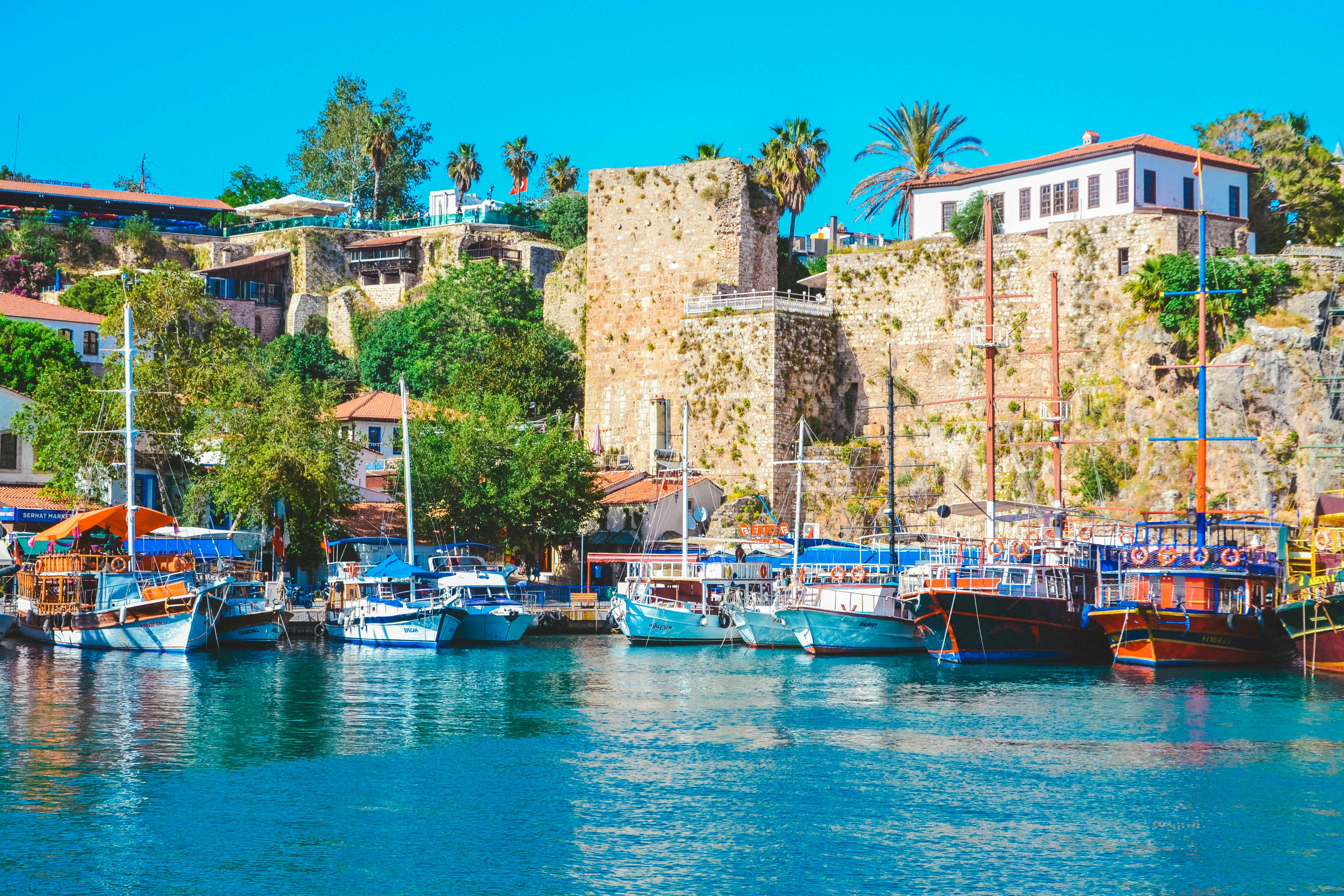
The Ottoman contribution to Kaleici is most readable in the domestic architecture rather than in monuments. Stone ground floors, timber upper floors, a projecting upper storey — the cumba — extending over the lane below. The projection gave shade to the lower floor and added interior space without expanding the building’s footprint. Courtyards faced inward for privacy. Street widths in Kaleici were partly determined by the practical requirement for two loaded donkeys to pass each other — a constraint still visible in the narrowest lanes today, where a person carrying bags on both shoulders simultaneously touches both walls.
The Ottoman population of Antalya was mixed: Muslim, Greek Orthodox, Jewish, and Armenian communities coexisted in the city, largely in distinct quarters. The Clock Tower near Yivli Minare dates to this period, built as a civic timepiece in an era when most residents had no personal clocks.
The Italian occupation of 1919 to 1921, during the post-World War One partition period, is a chapter that Antalya residents know well and that most guidebooks treat briefly. Italy held the city under the Treaty of Sèvres arrangements. The occupation ended as part of the Turkish War of Independence, and Antalya was among the cities Atatürk visited in the early years of the Republic.
Modern Antalya — 17 Million Arrivals and What That Actually Means
Antalya received over 17 million international visitors in 2025, according to Turkey’s Culture and Tourism Ministry. That is roughly equal to all of Portugal’s annual international arrivals. The airport is one of Europe’s busiest by passenger volume during summer months.
The scale of resort infrastructure along the coast from Kemer to Side is genuinely enormous. The all-inclusive model dominates this coastline and is extremely efficient at keeping guests inside the hotel perimeter.
What this means practically: getting to Antalya is cheap and straightforward because of the flight volume. But the city’s actual character — Kaleici, the archaeology, the working neighbourhoods behind the resort strip — requires deliberate effort to find. It does not present itself automatically to visitors who arrive expecting the history to be signposted from the pool deck.
Best Historical Places to Visit
- Perge Ancient City
- Aspendos Ancient Theatre
- Side Ancient City
- Termessos Ancient City
- Phaselis Ancient City
- Olympos Ancient City
- Myra Ancient City
- St. Nicholas Church
- Patara, Xanthos, Letoon, Arykanda, Limyra, Selge, Tlos
- Alanya Castle, Simena Castle
- Kekova Sunken City
Visiting Antalya Today
When to Go to Antalya
October to early December and March to May. Summer heat regularly reaches 38–40°C, which is uncomfortable for extended walking on stone surfaces. Termessos especially is a different experience in cooler weather. Shoulder season also brings smaller crowds at Perge and Aspendos.
Hiring A Car in Antalya
With the use of a private car, you can explore everything on your own terms without the need to be concerned about any transport schedules. To ensure that you have an enjoyable ride, see this private car service.


Where to Stay
Boutique hotels inside the walls range from genuinely Ottoman-era structures to heavily renovated buildings using old stonework as decoration. Reviews mentioning original ceiling timbers or courtyard layouts are usually the more reliable signals of authentic fabric. The northern quarter of Kaleici is quieter, better maintained, and not priced around a marina view.
The Archaeology Museum
Located on Konyaaltı Caddesi, 3 kilometres west of Kaleici. Currently closed for restoration — check the reopening date before planning your visit. When open, allow two hours minimum. The Hall of Gods with the Perge imperial sculpture is the anchor exhibit.
Sightseeing Tours
Day Trips
Antalya isn’t remarkable because it has Roman ruins. Hundreds of Mediterranean cities have Roman ruins. Antalya is remarkable because every period remains visible simultaneously. A prehistoric cave sits above a Roman road leading to a Byzantine harbour beneath a Seljuk skyline inside an Ottoman street plan. Few places in the Mediterranean preserve that continuity so clearly.
Full Day Trips
Best Activities to Join
Old Town Kaleici walk, Hadrian’s Gate, Antalya Marina, Konyaalti Beach, Lara Beach, Duden Waterfalls, Lower Duden Waterfall boat view, Kursunlu Waterfall, Perge Ancient City, Aspendos Theatre, Side Ancient City, Termessos Ancient City, Antalya Archaeological Museum, Tunektepe Cable Car, Olympos Cable Car, Mount Tahtali, Koprulu Canyon rafting, canyoning, jeep safari, quad bike safari, buggy safari, horse riding, paragliding, scuba diving, snorkeling, boat tours, private yacht tours, sunset cruise, fishing tour, Manavgat River boat trip, Green Canyon boat tour, Suluada boat tour, Kekova boat tour, Demre and Myra tour, Phaselis Ancient City, Olympos Ancient City, Chimera flames, Saklikent ski trip, Land of Legends theme park, Antalya Aquarium, Sandland, Turkish bath, spa and massage, Turkish night show, food tour, street food tasting, local bazaar visit, Antalya shopping tour, Kaleici photography walk, waterfall photography tour, cycling tour, hiking, Lycian Way hiking, Goynuk Canyon, Sapadere Canyon, Alanya Castle, Dim Cave, Dim River, Manavgat Waterfall, Side sunset walk, beach clubs, nightlife in Kaleici, golf in Belek, sea kayaking, stand-up paddleboarding, windsurfing, jet skiing, parasailing, banana boat ride, glass-bottom boat tour, dolphin show, family beach day, picnic at Duden Park, visit local markets, coffee in Kaleici, rooftop sunset drinks, ancient city day trips, village breakfast tour, Taurus Mountains tour, cable car and waterfall combo, private guided city tour.
Related Blogs on Antalya
Want more tips for your trip? Check out all the articles I’ve written on Istanbul travel and continue planning your trip:
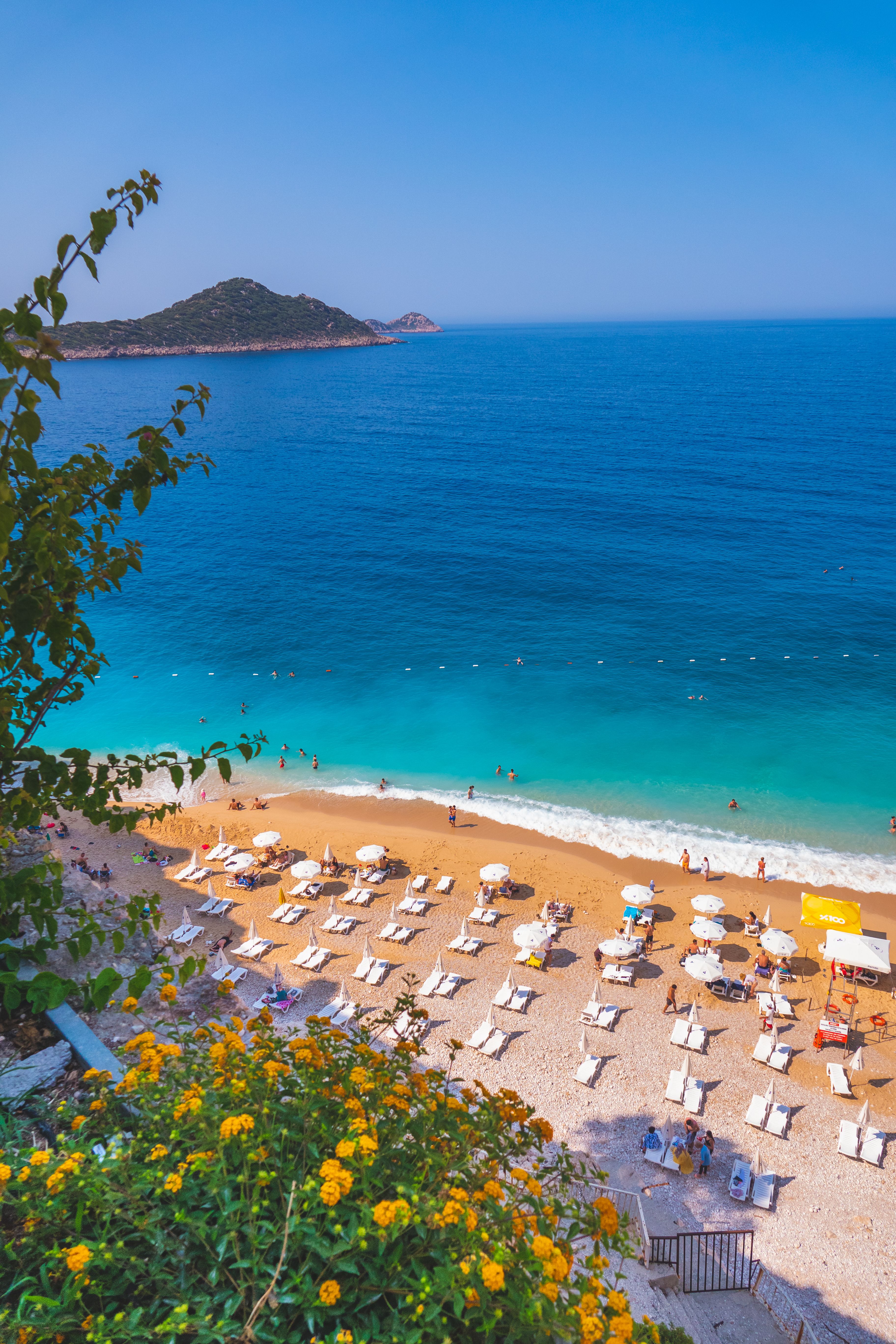
Best Beaches to Swim in Antalya
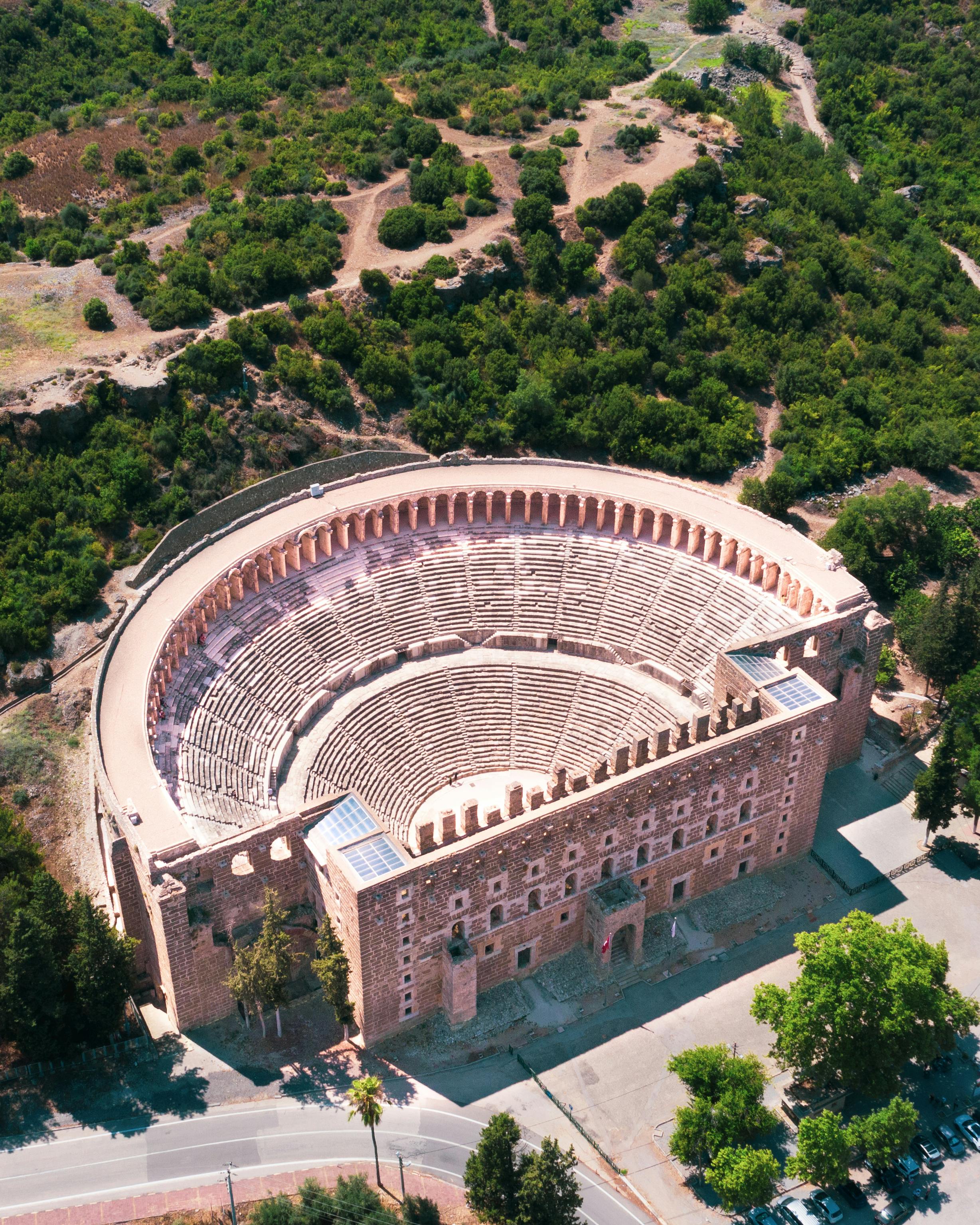
Antique Roman Ruins of Antalya

Best All Inclusive Hotels of Antalya
Travel Guide: The Best Booking Resources
Below are my favorite companies to use when I travel. They are always my starting point when I need to book a flight, hotel, tour, car rental, or travel insurance.
- Booking.com – A reliable all-around booking site with a wide selection of hotels, guesthouses, and budget accommodation.
- Expedia – A useful platform for comparing hotels, flights, packages, and travel deals.
- Viator & Tripadvisor – Great for finding tours, activities, day trips, and local experiences.
- GetYourGuide – A large marketplace for tours, excursions, guided walks, food experiences, and activities.
- Airbnb – A good option for apartments, unique stays, and longer-term accommodation.
- Skyscanner – My favorite flight search engine. It searches budget airlines and smaller sites that larger platforms often miss.
- SafetyWing – Affordable travel medical insurance for digital nomads, long-term travelers, and people on the road.
- Discover Cars – A car rental comparison site that helps you find rental deals for road trips and airport pickups.