Pamukkale Travel Guide: Cotton Castle Thermal Pools, Ancient Hierapolis Ruins, and Planning Tips
The visit to Pamukkale includes terraces, the archaeological area of ancient Hierapolis, thermal water pool called Antique Pool or Cleopatra’s Pool, walking routes and changing light conditions. With 3-5 hours available, you will be able to visit all the sights without hurrying.
Pamukkale isn’t a free natural park, all attractions I’ve mentioned above require you to buy a ticket and go inside the open air museum. If you’re having hard time walking or just feel like not walking you can use the buggies in the entry point. They provide rides and visits the parts of the museum for reasonable costs.
Forget about the old blogs mentioning the free thermal pool to swim, things change quite quick in Turkey – It is still free to see it but requires extra ticket to swim inside. And the extra ticket covers the thermal pool so called Antique Pool or Cleopatra’s Pool, changing rooms and resting areas.
Table of Contents
Frequently Asked Questions
- Is Pamukkale worth visiting?
Yes. it’s definitely one of the most beautiful formations of Turkey.
- Is Pamukkale and cotton castle same?
Yes, they refer to the same place in English *Cotton Castle and Turkish *Pamukkale.
- Can you swim in the white pools?
No, you cannot swim everywhere. Bathing is restricted in order to protect the travertine formations and water flow. Always follow the current on-site rules.
- Is Hierapolis included in the same visit?
Yes. The archaeological site of Hierapolis is the part of the same World Heritage property and can be visited during the same visit.
- Is there a museum on the site?
Yes. The archaeological museum is located within the site in the restored Roman bath building and displays the objects found in the ancient settlement and nearby sites.
- Can I visit without a tour?
Yes. Independent visitors can organize the route on their own.
- Is it possible to visit from Denizli in one day?
Yes. The site is located about 18 km north of Denizli city centre and there’s an airport if you need to fly from other parts of the country.
- Can I fly to Pamukkale from Istanbul / Izmir / Antalya?
Yes. There’s an airport near Pamukkale.
Visiting the territory of Pamukkale
The primary feature of this location is natural formation, which was created due to the process of mineral-rich thermal water flowing from the springs. This water is saturated with calcium carbonate, which, with time, created terraces, pools and mineral deposits. This natural and cultural landscape, which includes both the thermal formation and the ancient city, is recognized as a World Heritage property by UNESCO. The inscribing of the property took place in 1988. (UNESCO World Heritage Centre)
The difference of the visit to this site is its scale. White slope of mineral deposits is significantly bigger in real life than in photographs. The route for visitors provides a possibility to look at the white terraces, the valley, pools, and ruins.
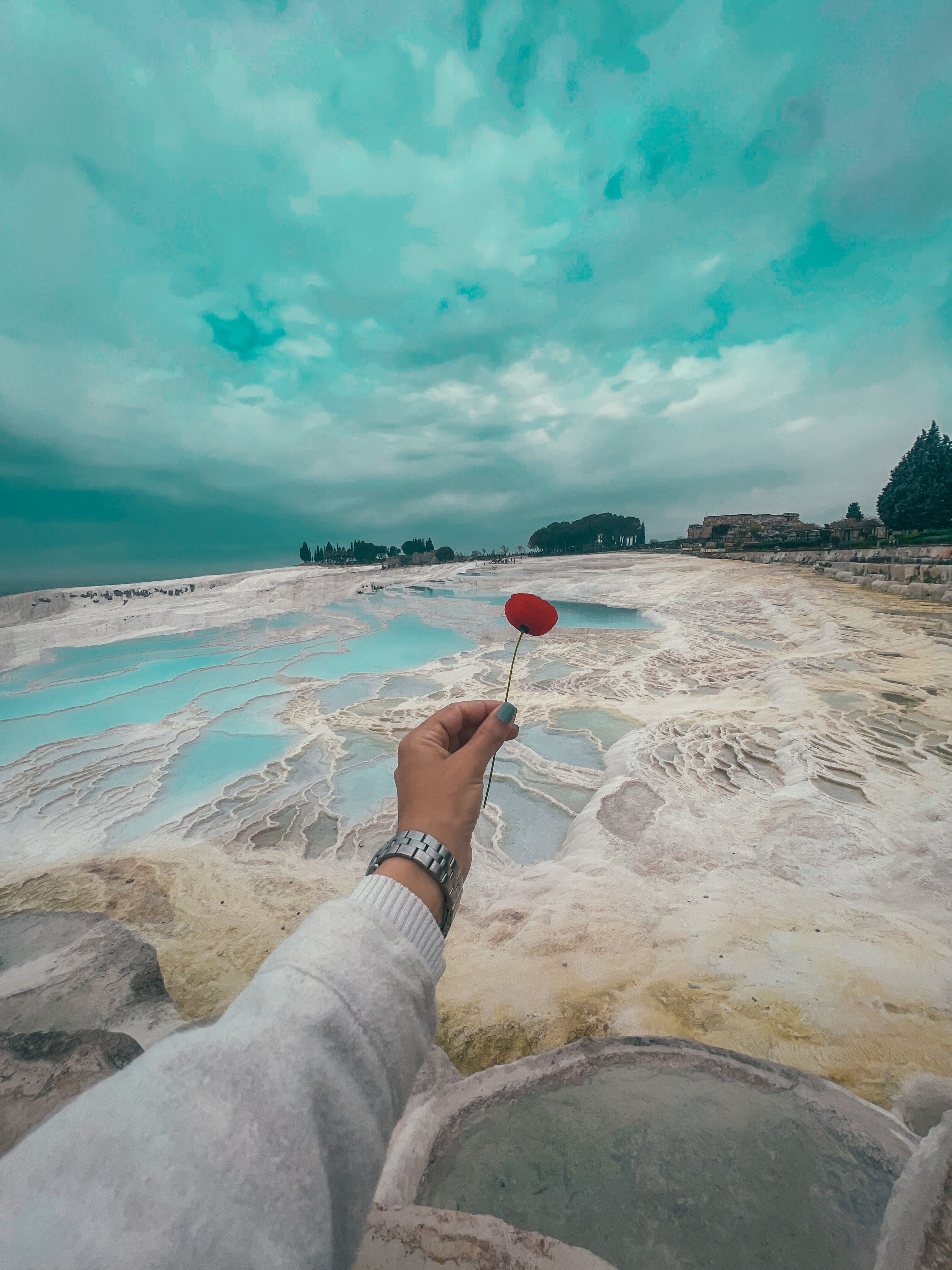
White terraces of the mineral deposits can’t be considered as a gigantic swimming pool. The access to many travertine areas’s prohibited to protect water flow and mineral formation of the pools. Only some of the areas on terraces can be used for bathing(too shallow mostly!) or photo shooting.
What is the Cotton Castle?
As you can guess this name is used due to the bright white (it’s not that white on dry sides and the water isn’t released all over it all the time, its limited times only) color of the terraces, which resembles a soft white castle.
This landscape is best to observe as a natural geological formation rather than a group of pools. Some of the terraces can be shallow, some dry (most of the time), some filled with water(only a special potion where people are allowed to walk on). Season and water flow influence their condition.
Photography of the site is misleading as using wide angle lens makes the terraces look never-ending while crowds of people make visitors overlook the size of the location. It’s actually big but limited area’s open to step in.
How much time should you spend there?
It’s better to allocate at least 3 hours for a combination of the visit to terraces and the archaeological area. 4-5 hours would be much more comfortable as it will include the walking distance, pauses for photographs, reading of signboards and visiting of the ancient monuments.
The fast visit can include a visit to the terraces and to some of the ruins, but it usually implies missing the character of the whole site. Don’t underestimate the walking distances, especially in warm weather.
How to go to Pamukkale?
In case of traveling by car, it’s important to consider the location for parking and reaching the route of the visitors. Using public transport (not dropping you at upper gate, South Gate, where the thermal terraces have entry point) is a bit tiring. Organized excursions simplifies the logistics, especially when a tourist doesn’t use a rental car.
Hiring a car helps a lot in areas like Pamukkale, just be careful of Gates. I recommend parking at South Gate where it’s less busy all seasons and in case of parking the car there don’t leave the area from another gate or don’t walk the thermal terraces all the way down to another exit where the return climb is very overwhelming under sun.


There’s an airport near Pamukkale if you consider a trip from another city you can also check the domestic airfare prices and transfer services here. It takes around 1h 30 mins flight to land from istanbul, Izmir or Antalya.
What else should you see apart from the terraces?
The ancient city of Hierapolis was founded as a thermal settlement in the Hellenistic period and further developed by Romans and Byzantines. The city is located about 18 kilometers north of Denizli, and the most of the structures were rebuilt after a devastating earthquake that occurred in AD 60.
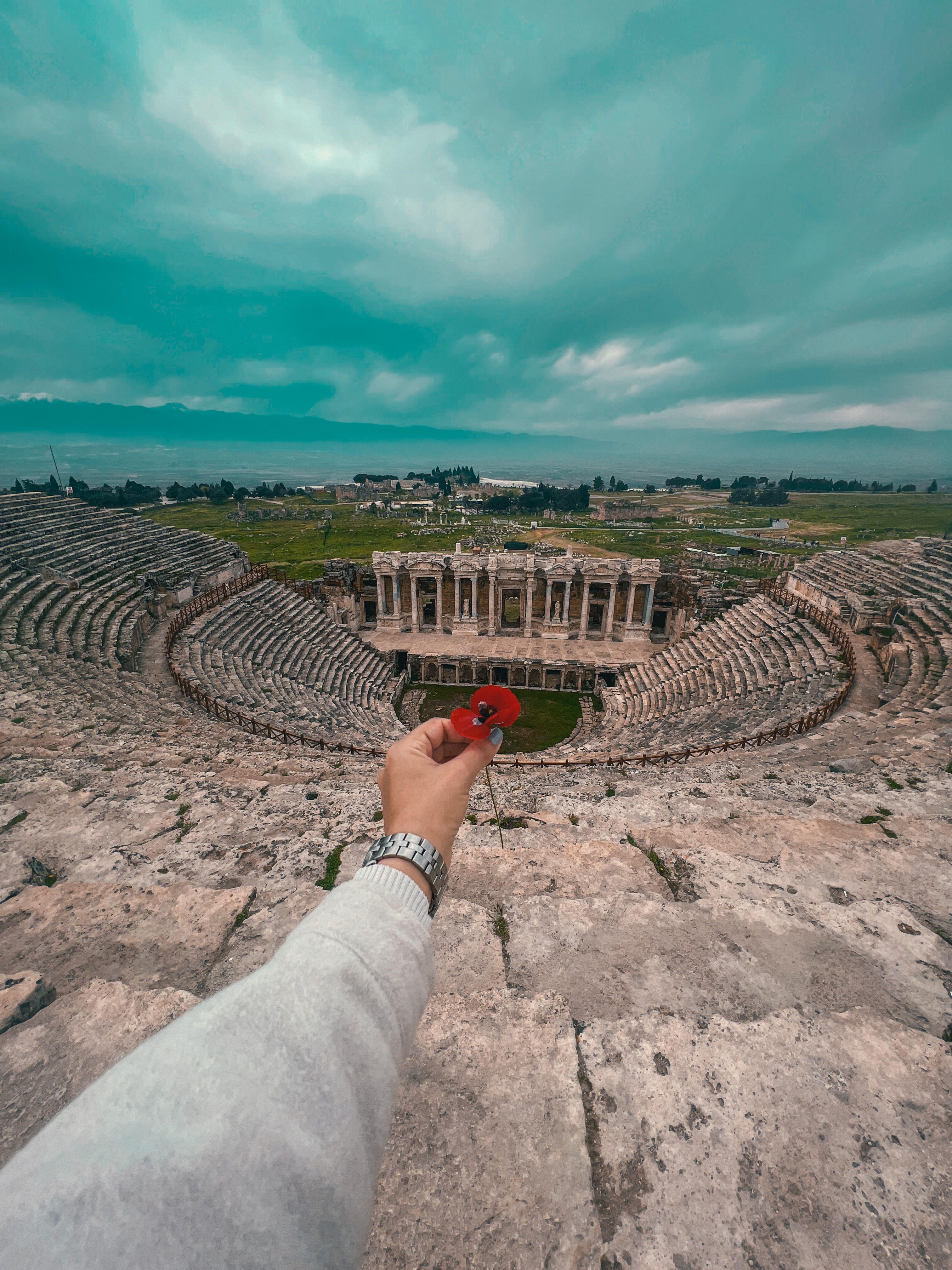
The theatre requires special attention as it provides the visitors with the understanding of the connection between the city and the landscape surrounding it.
The necropolis is another important section of the ruins which should be allocated in the itinerary. The funerary monuments reflect the size and importance of the ancient settlement. The long road from the center of the city to the necropolis changes the understanding of the city as just some ruins.
Ancient baths (Antique Pool or Cleopatra’s Pool: that’s where you can actually swim in a natural thermal pool shaped by earthquake for an extra cost) and the museum area provide the historical context, especially when the importance of thermal water is discussed. The archaeological museum is located in the restored Roman bath complex of the ancient city and its included in your ticket.
Don’t consider ruins as optional additional sight. They are the half of the reason for the entire property to have the World Heritage status.

When is the best time for the visit to Pamukkale?
Usually, the best time of the day is the early morning as it provides a comfortable light, cooler walking conditions and fewer crowds. The late afternoon visit can also be rewarding especially when the light begins to change the white terraces.
The summer afternoon visit can be hot as most of the territory isn’t covered and the white surface reflects the strong light. It is important to take the hat, sunglasses, the water and comfortable footwear.
The spring and autumn months are usually more comfortable for walking. Weather can change, and it is necessary to have a light layer in case of unexpected weather changes.
In case of photography, it’s important not to assume that the bright sunlight provides the best result. Strong light makes the terraces look smooth and even. Early or late light reveals the details of the surface of the terraces.
The best time also depends on the route. In case of walking up from the lower point of access to the terraces, it is important to begin the visit in the morning to leave the hardest part of the route before the strongest heat.
How do tickets and opening hours work?
Currently it’s open daily, and the visiting hours change seasonally. Also, the night-museology takes place between 19:00 and 23:00 for some period of time in summer. Operating arrangement can change, and I recommended to check the official Ministry website in advance.
The current international visitor price, which is provided by the Ministry of Culture and Tourism, is 30 euros. Price can change, and it is important to consider it as a current reference but not the permanent price. (Check here for current into: muze.gov.tr)
There’s also the possibility to get the MuseumPass tickets. The official page of the MuseumPass in Turkiye currently states that the 15-day pass, which covers more than 350 museums and archaeological sites costs 165 euros with one entry per site.
Don’t base the itinerary on the blog post with the historical prices. Ticket systems, night visit, entrance rules can change especially in high season.
Which entrance should I use?
There are different points of access, and the best one depends on the amount of walking and the other sightseeing plans of the visitor. There is a pedestrian gate providing the access, and the south and north gates.
In case of the visit aimed at the classic terraces, the route planning is much more important than choosing the entrance gate, which looks closest on the map. Consider where you want to finish the visit especially if you plan to meet a driver or the members of the tour group later.
In case of the independent visit, it’s recommended to check the current access points on the official website before leaving the hotel. Third party maps and websites with travel information may be out of date.
If the transport can pick you up at a different point, consider the site as the one-way walk.
What should I wear and bring?
Consider wearing the comfortable shoes that are easy to remove as the visitors’ll be required to walk barefoot in the designated travertine areas. The surface can be uneven, and some sections can be slippery while being wet.
I recommended to bring a small bag and not the heavy luggage. Water, sunscreens, sunglasses, the hat, and the light layer are the practical items.
Swimsuit’s necessary if the visit to the thermal bathing(Antique Pool/Cleopatra Pool) area’s planned. But don’t assume that every white terrace can be used for bathing. Conservation rules are necessary to preserve the mineral formations and water system.
Phone or camera is enough for the most visitors. The landscape is diverse, and it does not require special equipment for the photography.
In case of the visit with the children, it’s necessary to plan the pauses between the sections of the visit. The bright surface, heat and the long walking distances may exhaust the children, even in case the route seems to be easy on the map.
Can I swim in the thermal water?
The visit to the thermal pools is possible but only in the designated areas. The protected travertine formations can’t be used for the swimming and the rules can change in accordance with conservation needs.
The ancient pool area is open for the visitors for the moment. It’s necessary to consider the visit to the bathing area as a separate section of the itinerary rather than the assumption of swimming in any of the pools.
The thermal pool’s the historical importance because the ancient settlement was built due to the therapeutic and religious importance of the springs. Even in case of no intention to swim, the visit to the ancient pool will give the explanation of the importance of the site.
Wear the proper swimwear in case of intention to use the thermal pools. Check the current conditions of the bathing area before the swimming.
How to plan a half-day visit?
Begin your visit as early as possible. Start your visit from the white terraces, making the photographs but paying attention to the water channels and the changing mineral surfaces.
Next, continue the walking to the ancient city. Allocate enough time for the theatre, the main streets and monuments, the necropolis and the museum in case you have enough time.
Make a break before the last section of the visit. This is especially important in warm weather due to the lack of shaded spaces in the open landscape.
In case of the intention to bathe, make it the last thing after the main walking. It will be more relaxing and won’t require carrying the wet clothes around the archaeological area.
For the travelers who come from the city of Denizli, the site is close enough to organize the half-day trip. For the travelers coming from other places, the visit to Pamukkale can be combined with Laodikeia or some other nearby archaeological site.
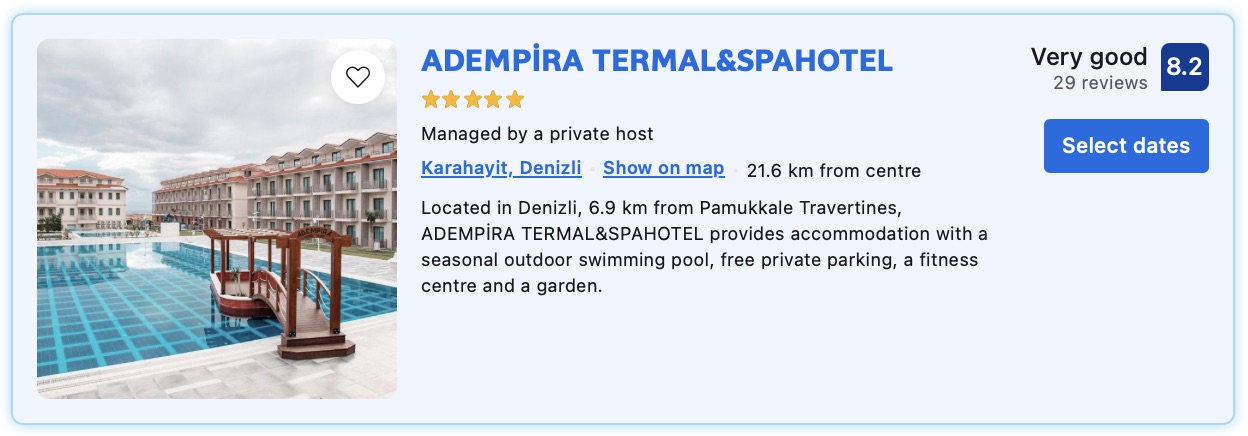
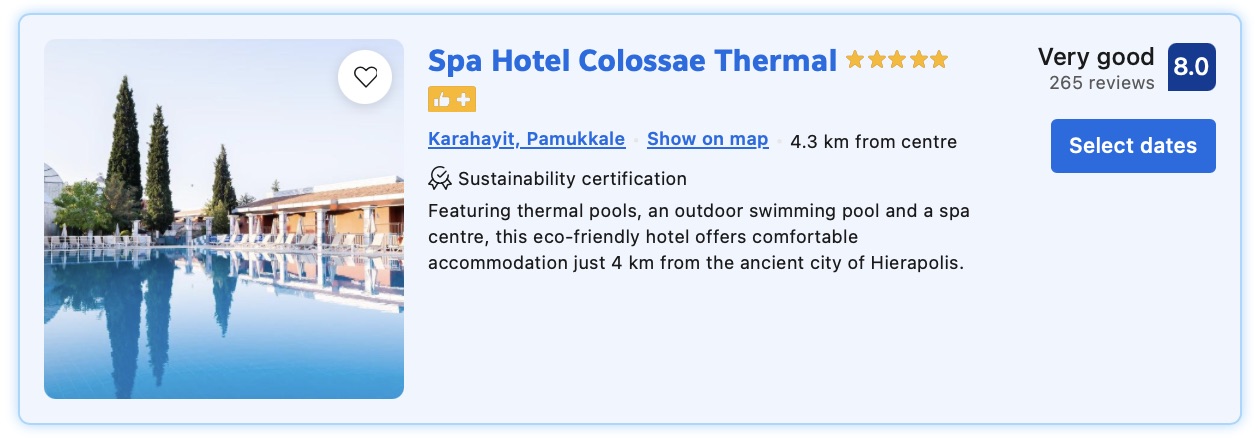
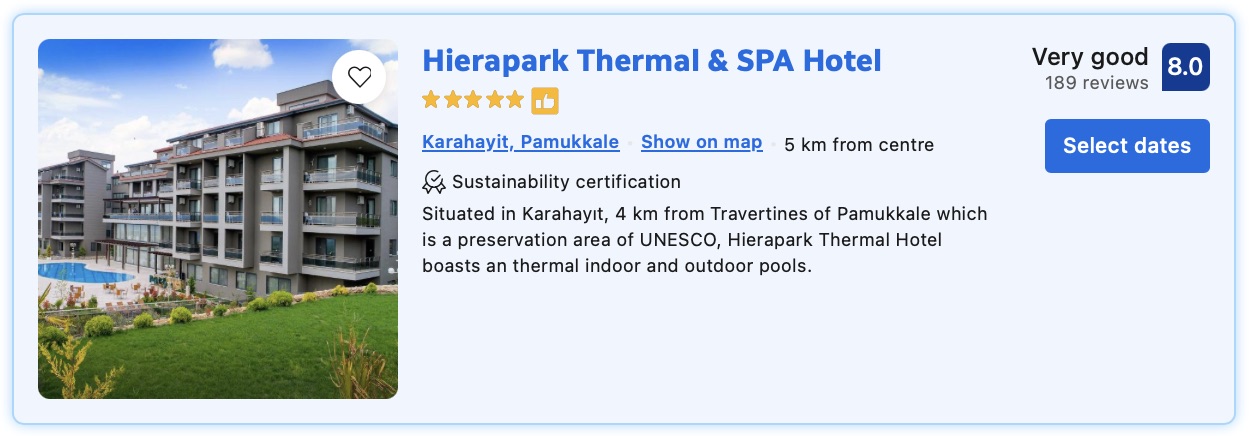
Where to stay in Pamukkale?
Best Hotels of Pamukkale



Is a guided tour worth it?
The guided tour can be a good choice for the visitors interested in the archaeology and not only in the landscape. Without context, columns, baths, tombs and theatre seating can merge in the mind after several hours of the visit. Also, a good guide can help in the planning of the time, route and the connection between the thermal landscape and the ancient settlement.
Tour and booking options
For the visitors who prefer the organized day, the guided tour can be a good choice, especially when the transportation from Denizli or other nearby destination is included in the cost. When choosing the tour, pay attention to how much time is allocated to the visit to the terraces, how much time will be allocated to the archaeological ruins and if the entrance tickets are included.
Pamukkale Tours From Antalya
Pamukkale Tours From Izmir
Pamukkale Tours From Istanbul
For the independent travelers, the purchase of the tickets from the official channels and checking the current information from the Ministry is the best way to avoid relying on the outdated prices. In case you plan to visit several archaeological sites in Turkey, compare the price of individual tickets with the MuseumPass option.