9 Turkey Travel Scams to Avoid While Travelling
Turkey is a relatively safe destination, but the popularity of some sites gives a few people a chance to earn extra money exploiting confusion, pressure, or simple mistakes. From years of guiding tourists, I can tell you that the best defence against scams isn’t be suspicious of everyone around you, but to know the pattern of the scam before it even happens.
Table of Contents
The Taxi Meter and Long-Route Scam
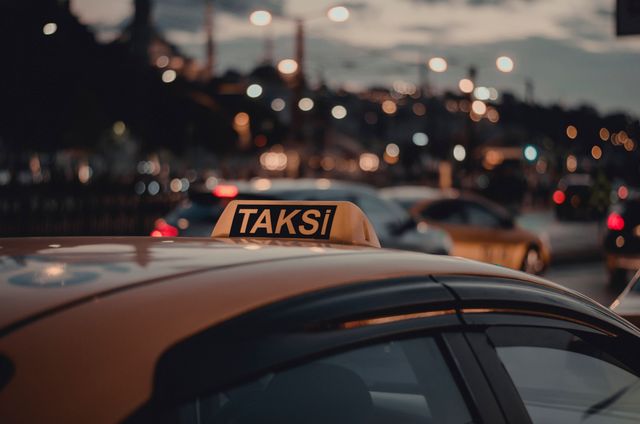
One of the most important Turkey travel scams to be aware of is related to taxi drivers. This scam can range from refusal to use the meter, asking for an exorbitant price for a ride, going through an unnecessary route, or causing payment difficulties.
According to some reports, the main taxi complaints in Istanbul include taxi meter manipulation, taking unnecessarily long routes, problems with payment, and exploitation of tourists unfamiliar with Istanbul geography. The Istanbul Municipality has commented on the issue publicly and provided a way to complain about a taxi driver. (Istanbul Governorate)
Before you get in the car, make sure the meter is set and functioning correctly. If the driver claims the meter is broken and offers to calculate a fixed price, you can refuse the ride and ask for a different cab.
The long-route scam is particularly difficult to catch after a flight: you are tired, possibly with some luggage, and definitely unfamiliar with the geography of the city. Turn on your navigation app before the ride and keep the route on screen.
A taxi driver might have some legitimate reasons for going a different way due to traffic or road construction, so the alternative route isn’t always a sign of dishonesty. What matters is that the route taken by the driver is significantly different from the usual one.
Taxi fares may change, so don’t rely on some old blogs or information about fares from some random person on the street. Look for the latest Istanbul municipal tariffs.
When arriving at the airport, use the official taxi rank and not the rides from some people inside the airport. There is also a taxi hailing service you can try to get an electronic receipt for the ride.
The “Friendly Local” Bar Scam
The friendly stranger scam works because the interaction seems like nothing else than friendly conversation. Someone strikes up a conversation with you, claims they want to practice English, asks about your origins, and tells you about a fantastic bar they found. The interaction may be innocent until you agree to visit the bar with the person.
The “friendly local bar scam” is one of the Turkey travel scams you need to be careful about, especially if you travel alone. Reports include situations where a visitor was brought to a bar and received an inflated bill for the drink, along with a couple of people at the table.
The safest way is to stick to your own choice of entertainment. If you decide to have a drink in Istanbul, look up the bar, read the reviews, and go there yourself. Don’t allow a stranger to convince you to enter the bar they know.
Should you end up in a bar and suddenly receive a bill for much more money than you expected, stay calm. Ask for an itemized bill, don’t allow anyone to take your passport or bank card as collateral, and move towards a staff member or public places if you feel uncomfortable.
Should there be any kind of threat or if you believe that some crime is happening, contact the local authorities. Don’t be afraid to leave the situation you are uncomfortable in.
You don’t have to be rude. “No, thank you, I have other plans” is more than enough.
The Shoe-Shine Brush Scam
The dropped brush scam is one of the Turkey travel scams that is particularly easy to recognize if you know the pattern. The shoe-shine walks ahead of you and drops a brush accidentally. You bend down and return the brush to the person, and the person thanks you by offering to shine your shoes.
And now the shine becomes unexpectedly expensive.
The trick is based on the assumption that the shine is a form of payment. It isn’t a regular transaction since you didn’t agree to either the service or its cost.
If you see someone dropping the brush in front of you, simply keep walking. If the person already started shining your shoes after returning the brush, stop the service and clarify that you weren’t expecting to pay for it.
If you actually want to have your shoes polished, negotiate the price before the brush even touches your shoes. And this one sentence will save you much trouble.
Turkey Travel Scams: The Museum or Mosque Is Closed Scam
Someone tells you that a certain museum, palace, mosque, or any other attraction is closed. Then they suggest some alternative place, a special entrance to the building, or some other solution to see someplace interesting.
Sometimes a site is closed. However, you need to be careful about trusting a random stranger when there is an opportunity to verify the information by yourself.
This is one of the Turkey travel scams that can develop further into some other scam. The person can actually be trying to redirect you to their shop or some other attraction where they will earn money from you. It is also one of the examples of how Turkey scams work through urgency rather than complicated schemes.
Check the opening times of the attraction before changing your plans. The Turkish Ministry of Culture and Tourism states that opening and closing hours and holiday arrangements are established officially and published on their official platforms.
Mosques may require some commonsense. Sometimes religious activities or prayers will prevent you from visiting, but you shouldn’t be redirected from a site by a stranger.
It is the most straightforward solution for you – walk to the official entrance and look at the information displayed there. If the doors are indeed closed, ask staff members or security guards where to go from there.
The Restaurant Bill Scam
Restaurant problems are usually less serious than a scam of a fake guide or taxi ride, but are still costly enough to be considered a scam. A server might bring you an item you haven’t ordered, suggest some dish of the day without saying the price, or add additional charges to your bill.
The best practice here is to ask the price of the item before ordering anything that isn’t on the menu. This is important for seafood, daily specials, desserts, drinks, and anything that isn’t priced.
Check the bill line by line before you start paying.
There is another common scenario in this scam – you are approached on the street, someone offers you a restaurant and says it is where they dine with their family. This personal story is meant to make you trust the recommendation.
The best practice here’s to choose the restaurant you’ll go to before you’re hungry and tired. Check the menu, the prices, and recent reviews and do not allow a stranger to distract you with some restaurant recommendation on the street.
If you receive some unwanted item, politely ask to remove it from the bill. You don’t have to pay for something you didn’t order.
A good local practice is to check the menu before sitting at the table. If the restaurant doesn’t have any visible prices for the food you are suggested to order, ask the price first.
The Carpet Shop Pressure-Selling Scam
Turkey has a centuries-old tradition of weaving carpets. Buying a rug might become an interesting part of your trip, but the problem starts when a simple sightseeing discussion turns into a well-controlled shopping experience.
You’ll be offered a tea, will be told that the shop’s a family business, will be shown dozens of carpets, and will be asked to imagine having the rug in your house. The pressure’ll increase gradually until you’re too embarrassed to reject.
This is one of the Turkey travel scams that’ll trick you using your hospitality and not some sophisticated scheme. The tea will be real, the carpets will be real, and the salesman will be knowledgeable.
However, the problem is that you wanted to buy the carpet in the first place, and the price and quality were clear.
If you are actually interested in buying a carpet, conduct some research first and compare different sellers. Ask about the material, knotting, dimensions, origin, maintenance, shipping, refund policies, and documentation.
Don’t allow the salesman to increase the pressure by telling you that another customer’s about to take your desired carpet.
Most importantly, you need to remember that drinking tea doesn’t mean you owe the shop a purchase.
If you’re actually interested in purchasing a carpet, give yourself some time. Your purchase after three cups of tea and an hour-long discussion of rugs will be entirely different from the one you planned before entering the shop.
“I’ll Take You to My Uncle’s Shop”
The scam usually starts with the recommendation rather than with the offer to show something. Someone tells you about an excellent leather shop, jewelry store, carpet dealer, restaurant, or souvenir store.
Then the phrase follows: “It’s my uncle’s shop.” or ”It’s our family business.”
This family connection is meant to make you believe that you are visiting some safe and legitimate business. You might also think that you receive some special local deal.
Sometimes the shop really’s legitimate, the problem’s the referral chain. The person recommending the shop receives a commission from someone in the shop and the price will be higher to account for this commission.
Don’t allow a person who showed you around for twenty minutes convince you into a purchase of an expensive thing.
This is particularly important for leather goods, jewelry, carpets, and other products that tourists usually can’t determine the value of. Give yourself some time.
Turkey Travel Scams: The Fake or Unlicensed Tour Guide Scam
Someone standing near some major attraction might offer to give you a guided tour. He or she might have perfect English, know some historical facts, and convince you in his competence.
However, he or she doesn’t necessarily mean to be a professional licensed guide.
There is a tourist guide system in Turkey, and TUREB keeps a database with names of all registered guides. Travelers can check it to verify the guide’s information rather than to believe a claim or badge alone.
There is also information released by the Ministry of Culture and Tourism about the tour guide system and licensing procedure. This is one of the Turkey travel scams that’s easier to prevent before the tour starts. Ask the guide for a name and credentials. If you booked the tour online, use a legitimate tour company or a website with reviews, refund policy, meeting details, and contact information.
A legitimate guide should be able to explain what is included in the tour, how long it takes, the meeting place, admission fee, and the price. Be suspicious of someone who refuses to give a name, insists that you pay right now, or increases the price during the tour.
Tourists often misunderstand the difference between a fake and a real tour guide.
The scam is that a fake guide charges you for a professional guiding service without the credentials and most probably try to take you to his/her uncle’s shop for a break. From one scam to another…
The Fake Antique or “Authentic” Souvenir Scam
Antiques and “authentic” souvenirs can become quite attractive because they represent something truly unique about Turkey. And this is exactly the reason why you should be careful when someone tells you that this item is antique, rare, and you will never be able to get another one.
Don’t assume that an old looking object is an archaeological artifact. Here’s another tip on how to detect a Turkey Travel Scams attempt when the seller uses a compelling story for creating a sense of urgency. When a seller uses a dramatic story about age or provenance of his product, ask for documentation and think carefully whether you need to have the risk of importing the item.
As for souvenirs that are not prohibited, it’s always a good idea to look at the prices at different places and not to purchase under pressure. The best souvenir will be such that you’ll still see that it’s a good bargain even an hour later after leaving the shop.
Most often it’s safe souvenirs that are simple to understand: textiles, ceramic ware, food products where possible, handmade products and other items that have an obvious seller and regular retail price.
Don’t buy anything simply because the seller says that it is “the last one” or an absolutely unique bargain.
How to Detect Scammers Without Thinking That Everybody Is Trying to Scam You
The best weapon against Turkey travel scams and Turkey scams in general is quite clear from these examples that most of the situations create some kind of pressure. Make sure you know the prices before ordering, use official entrances, check the credentials of the guides and routes of taxis, count your money, refuse any unsolicited services that you haven’t asked for.
If the situation seems strange – leave. There’s no need for you to prove something or catch the scammer before you can leave.
The best approach here is not “everyone tries to scam me”. It is “I do not make financial decisions under pressure”.
With this approach you can travel normally to Turkey. You can trust some people, bargain in markets, eat in local restaurants, take taxis, buy souvenirs and hire guides.