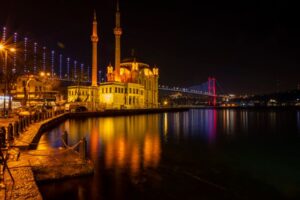
Seven Hills and Seven Magnificent Mosques of Istanbul
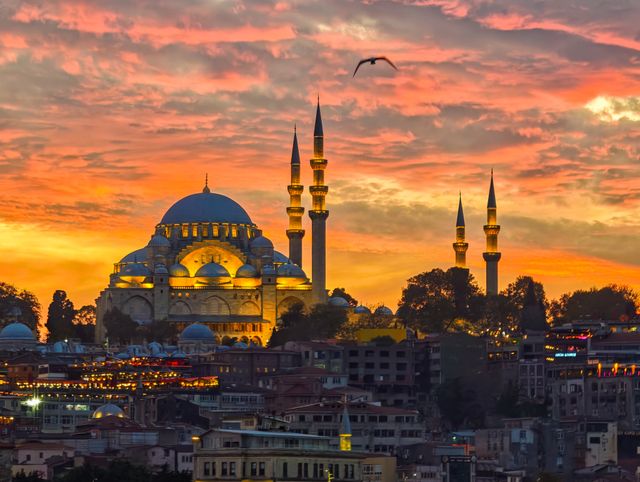
The concept of Istanbul as a city of seven hills comes from its Roman days of Constantinople and is meant to recall the city of Rome itself. All seven of the traditionally recognized hills are situated within the historic peninsula, also called Surici Istanbul or the walled city of Istanbul. During the Ottoman era, the seven hills also gained prominence through magnificent mosques.
Thus, a visit to Istanbul becomes a unique opportunity to see the old city on foot and discover its hills and mosques as an integral part of the architecture, the history and the urban development of the peninsula. Here are some useful tips to help you visit seven hills and the magnificent mosques standing on them.
Table of Contents
The Seven Hills of Istanbul
Historically, there have been seven hills in the city, all of them situated within the old peninsula of Istanbul. Sometimes their names or boundaries differ a little bit depending on sources, but traditionally seven hills of Istanbul are Sarayburnu, Cemberlitas, Beyazit/Suleymaniye, Fatih, Yavuz Selim, Edirnekapi, and Kocamustafapasa.
All seven hills are described in the historical sources of Istanbul Metropolitan as the hills of Istanbul and also related to Roman, Byzantine and Ottoman eras.
These seven hills are:
- Sarayburnu Hill – Topkapi Palace, Hagia Sophia and Sultanahmet area
- Cemberlitas Hill – Cemberlitas Column and Nuruosmaniye area
- Beyazit or Suleymaniye Hill – Beyazit and Suleymaniye area
- Fatih Hill – Fatih Mosque and surrounding district
- Yavuz Selim Hill – Yavuz Sultan Selim Mosque
- Edirnekapi Hill – Mihrimah Sultan Mosque and the city walls
- Kocamustafapasa Hill – Aksaray, Samatya and Kocamustafapasa area
The importance of these hills lies in the fact that they explain why the skyline of Istanbul is filled with prominent monuments of faith.
Read more about history of Istanbul here…
Hill One: Sarayburnu and the Blue Mosque
The first hill in our list is Sarayburnu, the place where the historic peninsula is joined by the Bosphorus and the Sea of Marmara. It is also the most popular part of the old Istanbul as it includes Topkapi Palace, Hagia Sophia and the Blue Mosque.
The Blue Mosque, or Sultan Ahmed Mosque as it is officially called, is one of the greatest landmarks in Istanbul, a masterpiece of Ottoman architecture with six minarets and thousands of Iznik tiles in its interior. It was built by Sultan Ahmed I and remains one of the main tourist attractions of Istanbul.
It is recommended to visit the Blue Mosque early in the morning if you don’t want to have too many tourists around and you won’t be interrupted during the prayer times. Modest clothing is expected to enter the mosque.
Hill Two: Cemberlitas and Nuruosmaniye Mosque
The second hill is connected with Cemberlitas, which is the historic Column of Constantine, and the area around the Grand Bazaar. It also includes Nuruosmaniye Mosque, the first Baroque mosque of the Ottoman era constructed in Istanbul.
One of the distinctive features of Nuruosmaniye among the mosques of Istanbul is its special appearance. Being built in the eighteenth century, the mosque shows the changed tastes of the era in comparison with the classic Ottoman architecture of Fatih and Suleymaniye.
The mosque is particularly convenient because you can visit it before going to the Grand Bazaar, and then descend towards Eminonu.
The surrounding area is also worth visiting. Usually tourists go directly from the Grand Bazaar to the Sultanahmet and forget about the smaller streets around the Column of Constantine. However, this area represents a better possibility to see the historical commercial side of the district.
Hill Three: Beyazit and Suleymaniye Mosque
The third hill is one of the greatest viewpoints of the historic peninsula of Istanbul. It includes Beyazit Square, Istanbul University and magnificent Suleymaniye complex.
Suleymaniye Mosque was built by the famous architect Mimar Sinan for Sultan Suleiman the Magnificent in the sixteenth century and is one of the masterpieces of Ottoman classical architecture.
Among the mosques of Istanbul, Suleymaniye is the most appropriate choice for those travelers who would like to enjoy both architectural masterpiece and city view. The elevation position of the mosque provides visitors with panoramic views of the Golden Horn, Galata and the Bosphorus.
Originally, the complex included several important functions such as educational, religious and charitable functions. This information is important for understanding of the role of the mosques of Istanbul in the life of the era.
Hill Four: Fatih and Fatih Mosque
The fourth hill of Istanbul is associated with Fatih Mosque, which is one of the most historically important Ottoman buildings of Istanbul. The complex of the Fatih Mosque was built on the place of Byzantine religious complex – the Church of the Holy Apostles.
Thus, Fatih Mosque is a place where Byzantine and Ottoman history intersect.
The current mosque is not original as the complex had been rebuilt a few times due to the earthquakes; however, this adds a new layer to the historical monument.
The surrounding Fatih area is also more residential than Sultanahmet. The streets around the mosque allow getting acquainted with the life of Istanbul away from its main sightseeing route.
This is one of the mosques of Istanbul that require a visitor to pay attention to timing as it becomes particularly lively around prayer times. Don’t forget that the mosque is still used for praying.
Hill Five: Yavuz Selim Hill and Yavuz Sultan Selim Mosque
The fifth hill of Istanbul is the place with the Golden Horn view, and it is connected with Yavuz Sultan Selim Mosque. This hill includes the mosque and its complex and the tomb of Sultan Selim I.
Hill Six: Edirnekapi and Mihrimah Sultan Mosque
The sixth hill of Istanbul is related to Edirnekapi and the historic walls of Istanbul. Once, this area marked one of the main entrances to Constantinople and retained its strategic importance throughout both Byzantine and Ottoman periods.
In the center of the hill there is Mihrimah Sultan Mosque, commissioned by Mihrimah Sultan, the daughter of Suleiman the Magnificent and Hurrem Sultan. The mosque was designed by Mimar The Architect.
Hill Seven: Kocamustafapasa and Haseki Sultan Mosque
The seventh hill is located on the southern side of the historic peninsula of Istanbul toward the Marmara Sea and Theodosian Walls. Kocamustafapasa is the last of its seven hills including Haseki complex and Cerrahpasa Mosque.
To represent the mosques of Istanbul on this hill, Haseki Sultan Mosque can be taken as an example.
The Haseki complex was also commissioned by Hurrem Sultan and designed by the famous architect Sinan The Architect. It was one of his first major works and a part of transformation of the historic peninsula during the Ottoman period.
If you want to learn about the real Istanbul you should have a private waking tour around these sites.
How to Visit the Seven Hills
Seven hills visitation is recommended to be done as a two-day exploration of the historic peninsula of Istanbul, rather than a short sightseeing.
The start of the journey should be done in the morning at Sultanahmet area and visiting of the Blue Mosque. Then you should go to Cemberlitas and Nuruosmaniye, and further to Beyazit and Suleymaniye.
Lunch should be made, and afterwards the route should be continued to Fatih and Yavuz Selim. Then you should go to Edirnekapi and Mihrimah Sultan Mosque. If you want to visit all seven hills, you should continue to Kocamustafapasa.
All of these distances are not too big, but Istanbul is quite hilly. Comfortable shoes will be useful for you, and it is better to allow some extra time because mosques may sometimes be closed to tourists due to the prayer time.
1. What are the seven hills of Istanbul?
The traditional seven hills are Sarayburnu, Cemberlitas, Beyazit or Suleymaniye, Fatih, Yavuz Selim, Edirnekapi, and Kocamustafapasa.
2. What is the first hill mosque of Istanbul?
The first hill is home to the Blue Mosque, officially known as Sultan Ahmed Mosque, in the Sultanahmet area.
3. What are the seven mosques on the seven-hill route?
The route can include the Blue Mosque, Nuruosmaniye Mosque, Suleymaniye Mosque, Fatih Mosque, Yavuz Sultan Selim Mosque, Mihrimah Sultan Mosque, and Haseki Sultan Mosque.
4. Can you visit the seven hills of Istanbul in one day?
Yes, but the route involves several uphill walks. Two days allow more time to explore the neighborhoods and monuments.
5. What is the best time to visit the mosques of Istanbul?
Morning is generally convenient for sightseeing, but visitors should plan around daily prayer times when access may be restricted.
6. Do visitors need to dress modestly in Istanbul mosques?
Yes. Visitors should dress respectfully. Women may need to cover their heads, and headscarves are often available at mosque entrances.
7. Is a local guide useful for exploring Istanbul’s seven hills?
Yes. A local guide can explain the Byzantine and Ottoman history, architectural details, and help plan visits around prayer times.